Portuguese
  Spanish


Zoomlion, a Chinese construction equipment manufacturer, introduced the LW3600-240NB, the world’s largest tower crane for wind turbines, with a lifting capacity of 240 tons and a reach of over 241 meters, a direct response to clean energy, heavy engineering, and next-generation wind farms.
When a modern wind turbine surpasses the height of a skyscraper, the engineering of renewable parks faces a problem that goes far beyond energy generation: how to erect a machine of this size? The most advanced answer to date came from China, in early 2026, with the launch of the LW3600-240NB crane by Zoomlion, a company specialized in heavy construction equipment.
The crane was presented as the largest and tallest tower machine in the world specifically aimed at the installation of wind turbines. With the capacity to lift up to 240 tons to heights over 241 meters, the equipment represents a new level for clean energy infrastructure, and highlights that building the next generation of renewables literally requires scaling new heights of engineering.
Why wind turbines are getting bigger and bigger
The global wind industry has been pursuing larger wind turbines for essentially economic reasons: the larger the turbine, the greater the amount of energy captured per installed equipment, which reduces the cost per megawatt generated. For wind farms, this leap transforms clean energy into an engineering challenge increasingly linked to height, weight, and assembly time.
-
Sixth-grader in Miami wins Lemelson Young Inventor Prize for creating water-absorbing concrete using discarded oyster shells and charcoal.

-
Brazilian Researchers Develop Portable, Painless, Radiation-Free Breast Cancer Tracker Using Microwaves, Costing Around $200 and Potentially Replacing $240,000 Mammograms
-
Beer as a Vaccine? Scientist Develops Experimental Method with Live Yeasts, Tests Own Brew, and Publishes Results on Zenodo

-
Brazilian Researchers Develop ‘Rapha’ Device Using Natural Latex and LED Light to Heal Diabetic Foot Ulcers and Prevent 50,000 Annual Amputations


This growth, however, brings with it a chain of highly complex logistical challenges. Blades, nacelles, and tower sections weigh hundreds of tons and need to be transported, assembled, and lifted with millimetric precision in often remote and hard-to-access locations.
Traditional crawler cranes can perform part of these tasks, but generally require large assembly areas, extensive ground preparation, and considerably long installation times, factors that increase project costs.
What is the LW3600-240NB and what makes it different
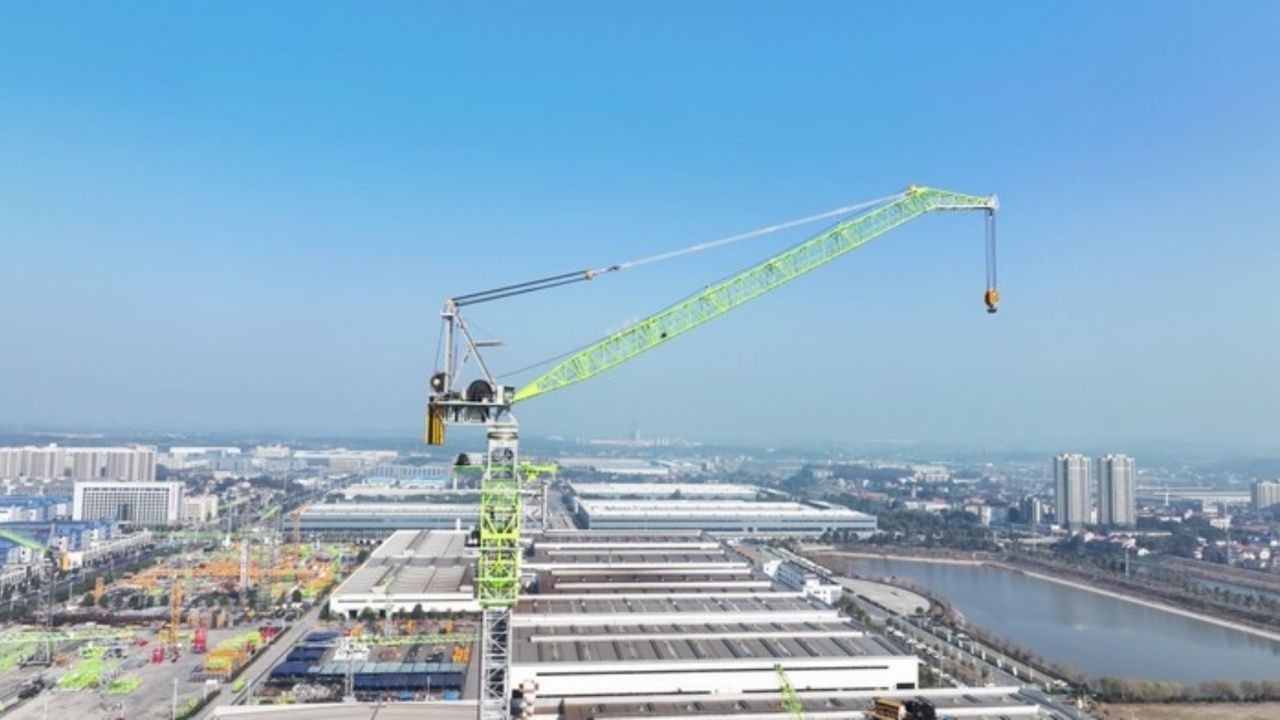
The LW3600-240NB was developed by Zoomlion specifically for the ultra-high tower turbine and high-power segment. According to the company, the crane reaches heights over 791 feet, equivalent to 241 meters, and has a maximum lifting capacity of 240 tons. To have a concrete dimension of this number: it’s like lifting 200 compact cars simultaneously to the top of an 80-story building.
One of the features highlighted by the manufacturer is the relatively compact installation footprint. The system requires a working area of only 35 by 55 meters and a ground support capacity of 0.18 MPa, which can significantly reduce the land preparation requirements compared to other conventional heavy lifting solutions.
Besides wind farms, Zoomlion indicated that the equipment can also be used in large-scale infrastructure works, such as bridge construction, power generation plants, chemical plants, and industrial facilities.
Engineering to operate over 200 meters high
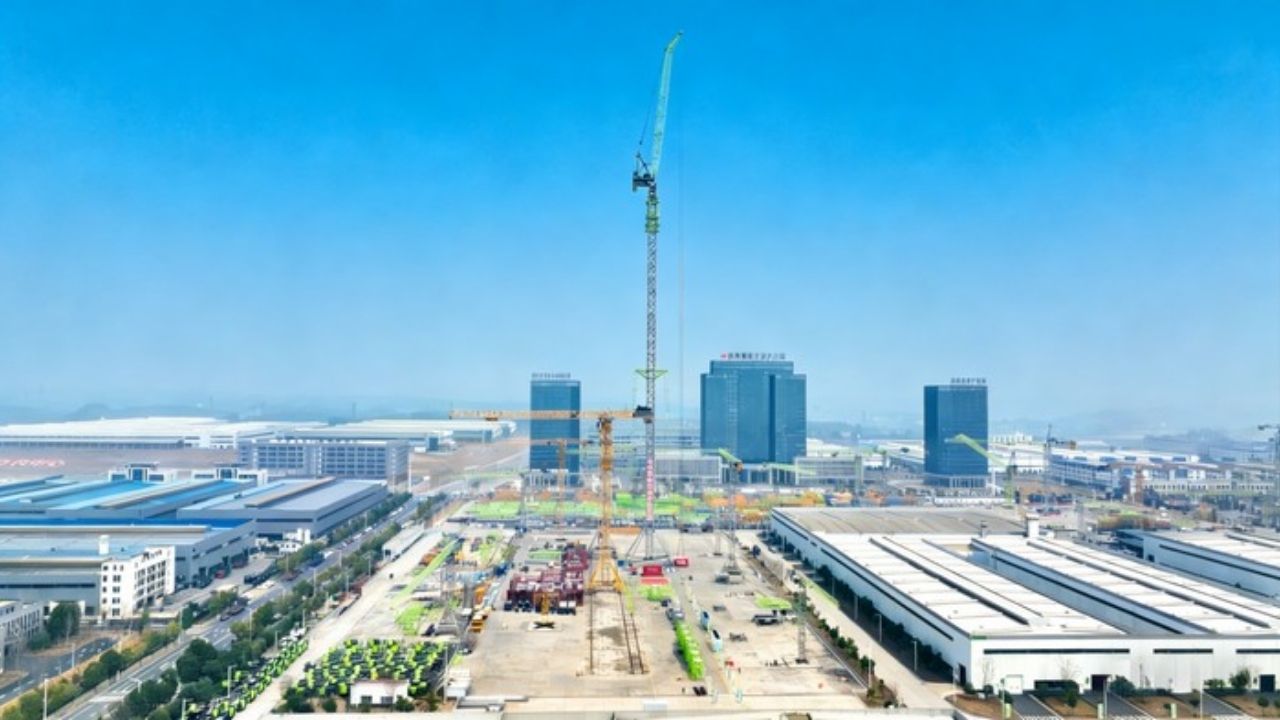
Working at altitudes over 656 feet creates engineering challenges that do not exist in conventional works. Strong winds generate significant loads both on the crane structure and on the components being lifted, requiring specific solutions for stability and structural safety.
To handle these conditions, Zoomlion states that the LW3600-240NB uses a low load ratio design and high-strength forged ring connections, aiming to increase wind resistance and structural integrity.
The company also declares that the system is capable of withstanding wind conditions up to level 10 on the Beaufort Scale, one of the most internationally used scales to classify wind speed and effects.
Among the other technical features, the synchronous jacking technology with double cylinder stands out, designed to enhance safety during the climbing and extension of the tower, and a digital intelligent control system for operational monitoring throughout the entire lifecycle of the equipment.
A strategy beyond a single crane
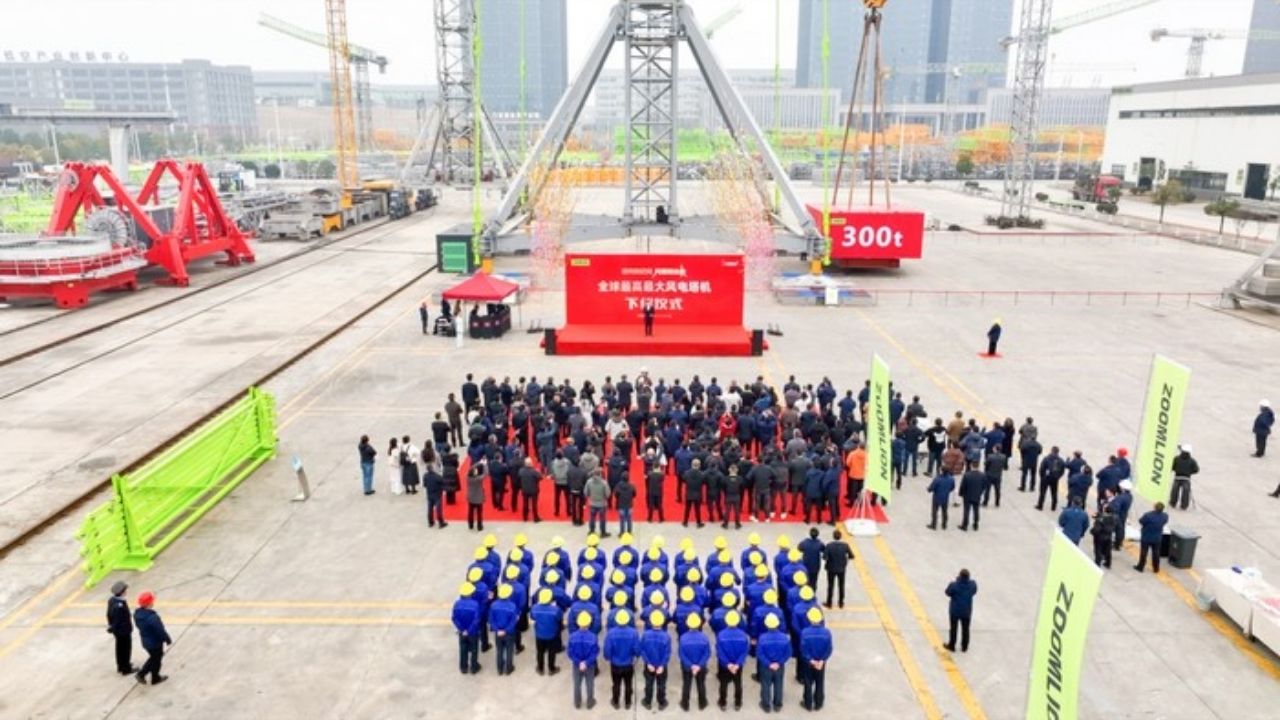
Perhaps the most revealing aspect of Zoomlion’s announcement is not the crane itself, but the strategy behind it. The company is not positioning the LW3600-240NB as a standalone machine, but as part of an integrated lifting solution for large wind projects.
The concept involves the use of multiple compatible systems and shared infrastructure, creating an assembly line-like approach for turbine installation.
As wind farms adopt taller towers and larger diameter rotors, reducing installation time can become as important as increasing lifting capacity. The logic is clear: every hour less in the installation of a turbine translates to a direct reduction in project costs, and on a large scale, can determine the economic viability of an entire renewable plant.
What this means for the future of clean energy
The launch of the LW3600-240NB by Zoomlion, at the beginning of 2026, indicates how the global energy transition is putting pressure on all links of the production chain, not just generation, but also the construction of the necessary infrastructure to enable it.
When a turbine requires a 241-meter crane to be installed, it becomes evident that the scale of modern renewable energy already rivals that of the largest conventional civil engineering projects.
The source of the information, the portal Interesting Engineering, released the technical data provided by Zoomlion itself. There is, as of now, no independent confirmation of field tests or specific projects already contracted to use the equipment.
What do you think: will the growth of wind turbines increasingly require engineering solutions like this? Does the scale of these machines surprise you? Leave your comment below.