






 Portuguese
  Spanish


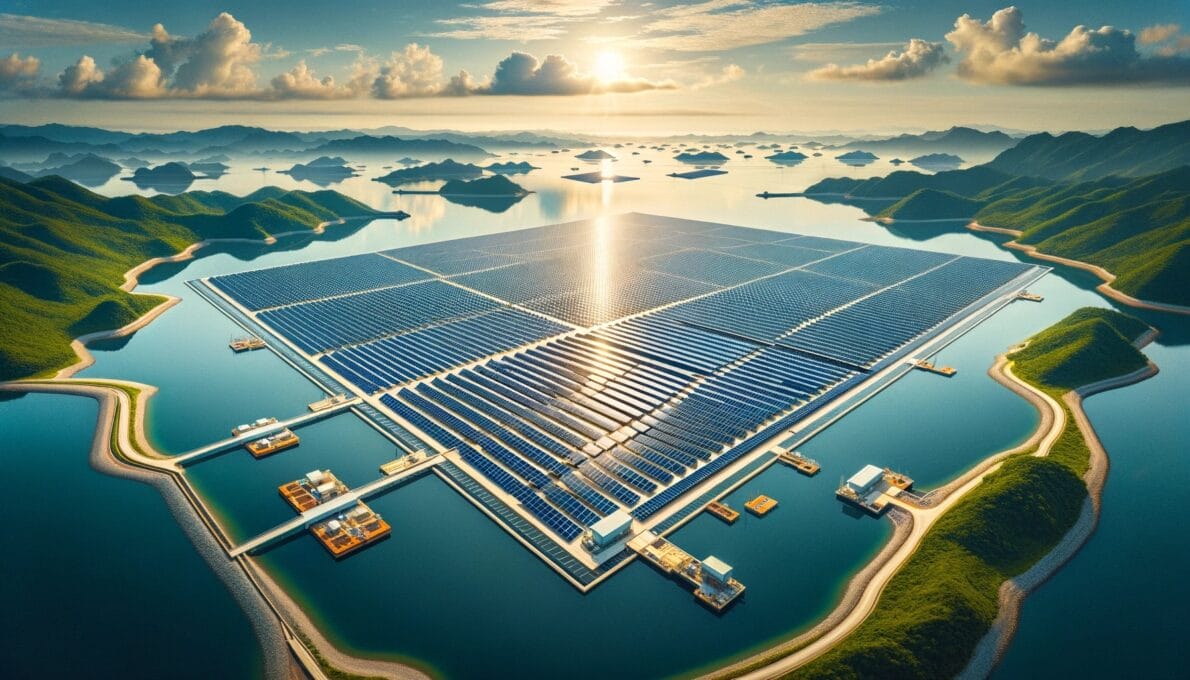
China Constructs The Largest Floating Solar Power Plant In The World And Surprises The Global Renewable Energy Market. The Project Has More Than 100 Thousand Solar Panels And Capacity To Supply 15 Thousand Homes.
Huainan, located in eastern China, is one of the main cities in the Hefei Metropolitan Area. For decades, the region has been recognized as an important coal production center. However, this scenario is undergoing a radical transformation due to China’s massive investment in clean energy sources. A notable example of this change is the Huainan floating solar power plant, which features thousands of solar panels, representing one of many initiatives focused on sustainability in the area.
Largest Floating Solar Power Plant In The World Can Supply 15 Thousand Homes
Considered the largest floating solar power plant in the world, the project is truly fascinating both for its grandeur and for the advanced technology employed in its design. The Anhui province is located in eastern China in the Yangtze River Delta. On one hand, the region is a cradle of Chinese prehistory and excavations have revealed fossils that confirm the presence of generations of people in the area.
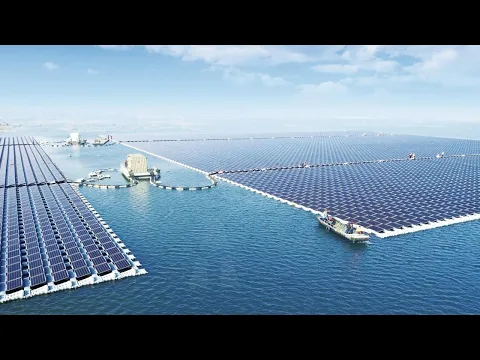

The installation of the project in China was made on a lake and occupies 86 hectares, an area equivalent to 121 soccer fields. There are 165 thousand solar panels producing 40 MW sufficient to supply around 15,000 residences.
-
Brazilian scientists are simultaneously advancing two research projects on clean hydrogen and driving solutions that could transform the energy matrix, enhance industrial competitiveness, and accelerate large-scale emission reduction targets.

-
Advancement in renewable energy: A R$ 150 million project launched by Petrobras and Finep aims to create state-of-the-art electrolyzers for green hydrogen, strengthening national research and preparing Brazil to compete in a billion-dollar energy market.
-
Solar energy can increase property value by up to 10% and become a selling point.
-
Illiterate or semi-literate grandmothers were trained to repair solar systems, open rural workshops, and light up homes that still depended on kerosene.

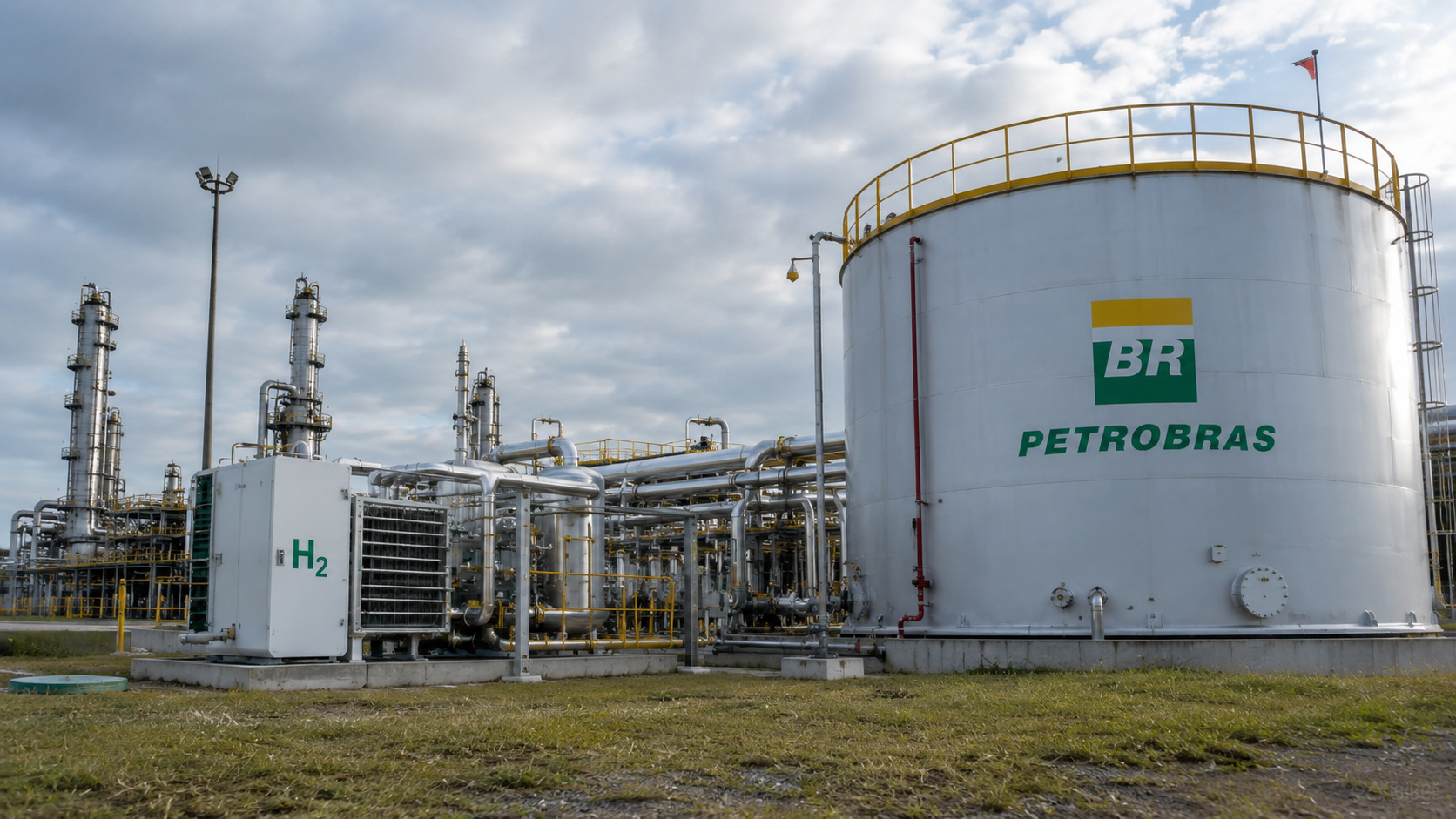


In China, dirt clouds are common in urban centers. Considered the largest polluter in the world, the country has faced severe consequences from this sad reality. One of these is that people are forced to stay indoors for days to avoid further harm to their health.
To mitigate these harmful impacts, China is adopting a series of measures. Since 2003, the use of coal as an energy source in the country has been decreasing year after year. Under the Paris Agreement, an international treaty on climate change signed in 2015, China committed to reducing carbon emissions to a minimum by 2030, as well as expanding its renewable energy sources by 20%.
Largest Floating Solar Power Plant In China Receives Million-Dollar Investment
The construction of the largest floating solar power plant in the world in Hainan is an essential part of this strategy. The realization of this megaproject involved many studies and was inaugurated in 2017, at a cost of US$ 45 Million.
The plant was installed offshore because solar panels lose efficiency as temperature increases. This occurs with all electronic devices. However, this does not happen in floating solar power plants since proximity to the water line cools the modules, decreasing the risk of overheating the panels.
According to studies conducted, the efficiency gain of the photovoltaic array in a floating power plant varies from 5% to 15% compared to a conventional solar power plant. The fact is that Hainan is a hot and humid location and the project is situated in a mining area that was flooded due to constant rains, reaching a water depth between 4 to 10 m, meaning the permanent flooding rendered the area unworkable for years, as it would not serve for mining, for irrigation purposes, and the water is also unfit for use due to its high mineralization level.
Understand How The Floating Solar Panels Work
One of the key factors for the success of any project is the ability to utilize existing resources more efficiently. This is exactly what China did by choosing this area to build the largest floating solar power plant in the world.
The solar panels used in the plant are supplied by Sungrow, a global leader in the manufacturing of photovoltaic inverter systems. These panels have been specially designed to operate efficiently in high humidity environments. The construction of a floating solar power plant requires the use of floaters, structures that keep the solar panels above the water.
These floaters need to be extremely durable, considering that each photovoltaic panel can weigh up to 25 kg. Currently, there are various types of floaters in use globally, including models made from reinforced plastics with fiberglass.


-

1 person reacted to this.