






 Portuguese
  Spanish
  3 min of reading
  0 comments


The China Announced The Start Of Construction Of The World’s Largest Hydroelectric Power Plant, Located In The Far East Of The Tibetan Plateau, Near The Border With Bhutan And Nepal. The Megaproject, Expected To Cost R$ 900 billion, Integrates The Country’s Five-Year Plan And Aims To Boost The Economy And Expand The Supply Of Electricity.
The Plant Will Be Built Along The Yarlung Tsangpo River, Which Flows 2,900 Kilometers From The Himalayas And Forms The World’s Deepest Terrestrial Canyon. There Will Be Five Cascading Plants, With A Joint Capacity To Produce 300 Billion kWh Per Year, An Amount Equivalent To The Annual Energy Consumption Of The United Kingdom.
The Project Was Initially Presented In 2020 And Received Final Approval In 2024. The Prime Minister Li Qiang Described The Project As “The Project Of The Century” During The Launch Ceremony, Highlighting That The Hydroelectric Power Plant Is Expected To Have A Direct Impact On The Growth Of China’s Gross Domestic Product During Its Decade Of Construction.
Energy Impact And Comparison With Three Gorges
With A Capacity Three Times Greater Than The Three Gorges Plant, Currently The Largest In The World, The Hydroelectric Plant Is Expected To Supply Tibet And Several Chinese Provinces. Part Of The Energy Will Also Be Directed To Export Networks, Strengthening China’s Role As A Global Supplier Of Clean Energy.
-
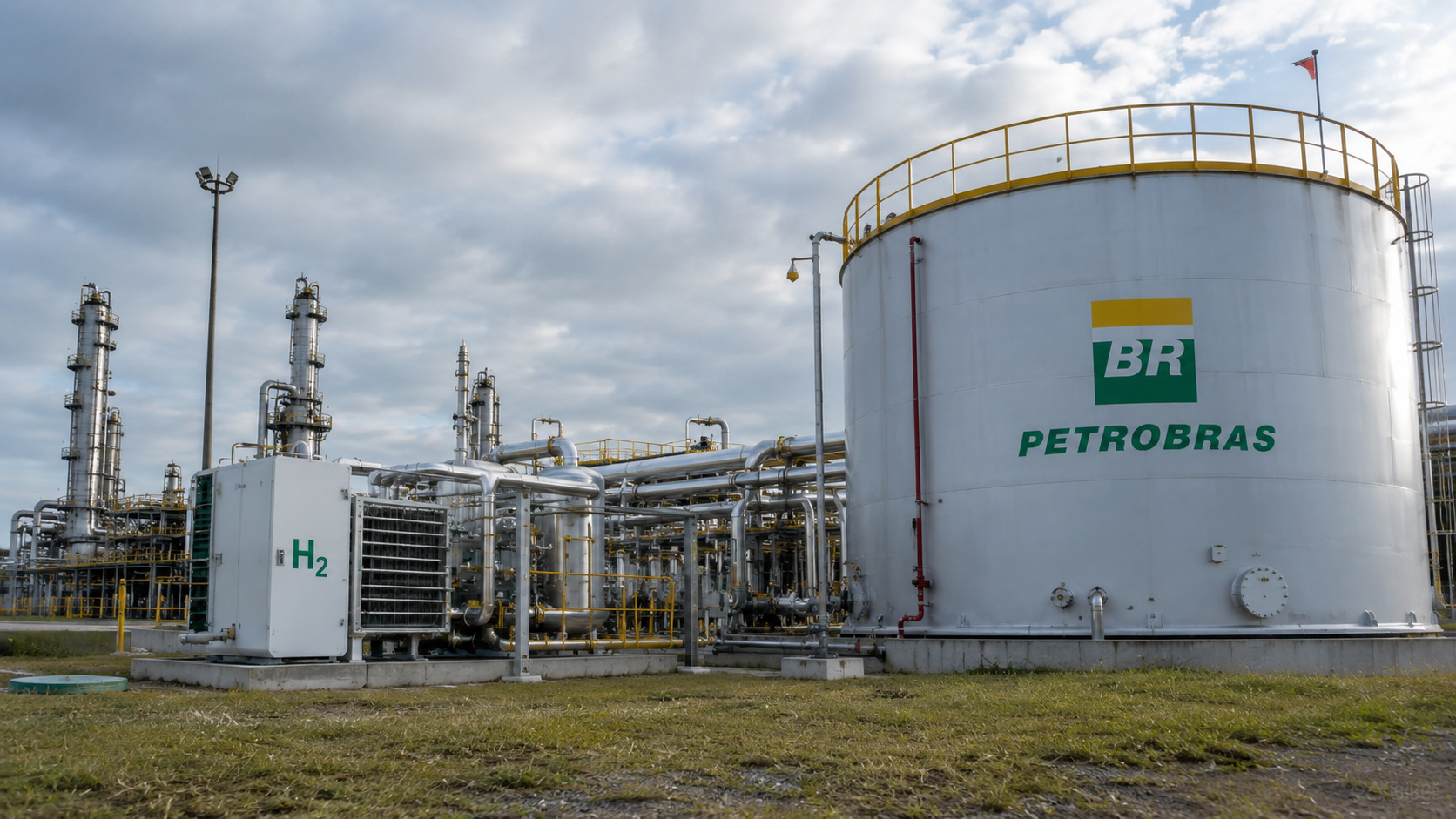
Brazilian scientists are simultaneously advancing two research projects on clean hydrogen and driving solutions that could transform the energy matrix, enhance industrial competitiveness, and accelerate large-scale emission reduction targets.

-
Advancement in renewable energy: A R$ 150 million project launched by Petrobras and Finep aims to create state-of-the-art electrolyzers for green hydrogen, strengthening national research and preparing Brazil to compete in a billion-dollar energy market.
-
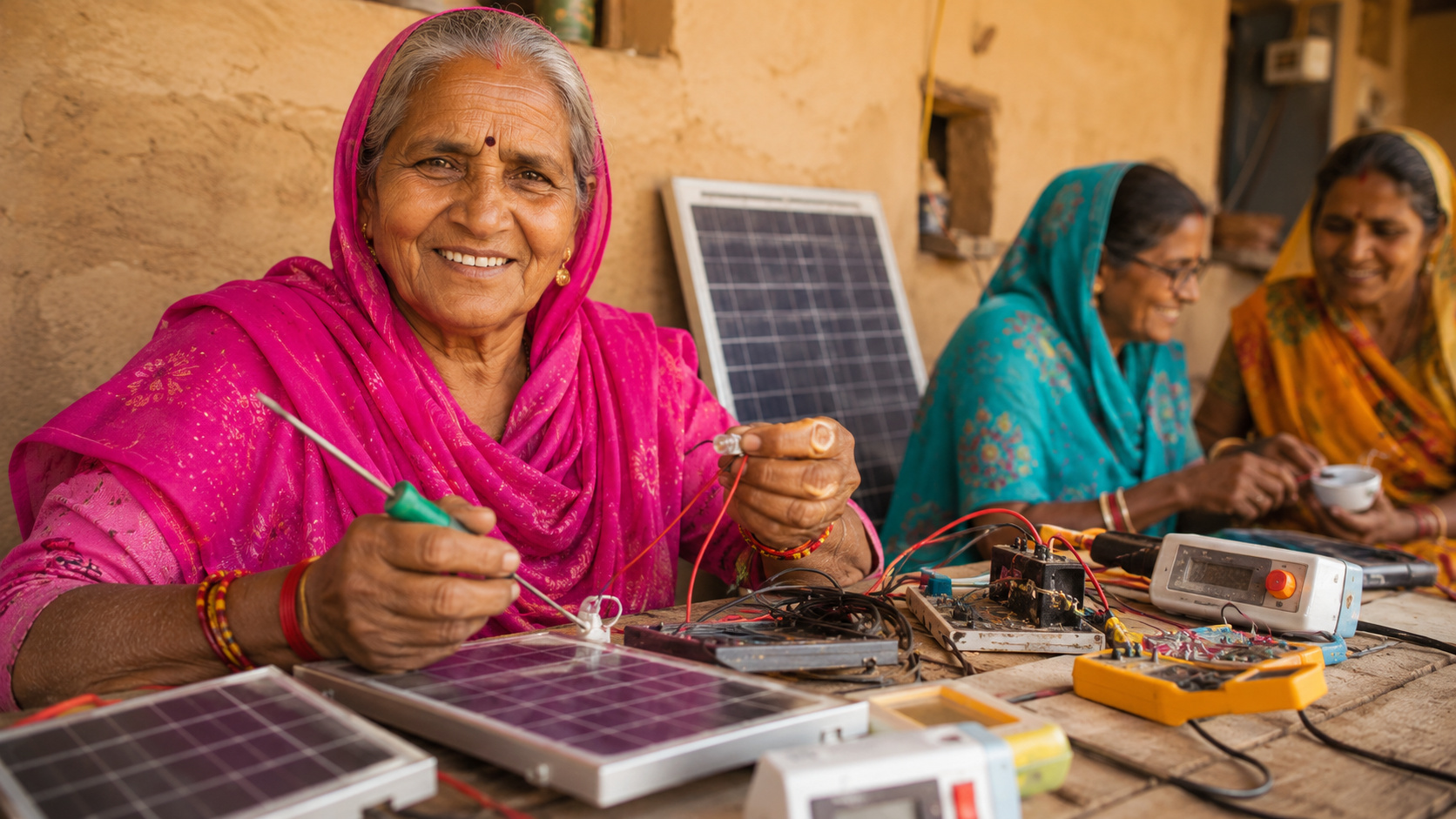
Illiterate or semi-literate grandmothers were trained to repair solar systems, open rural workshops, and light up homes that still depended on kerosene.
-
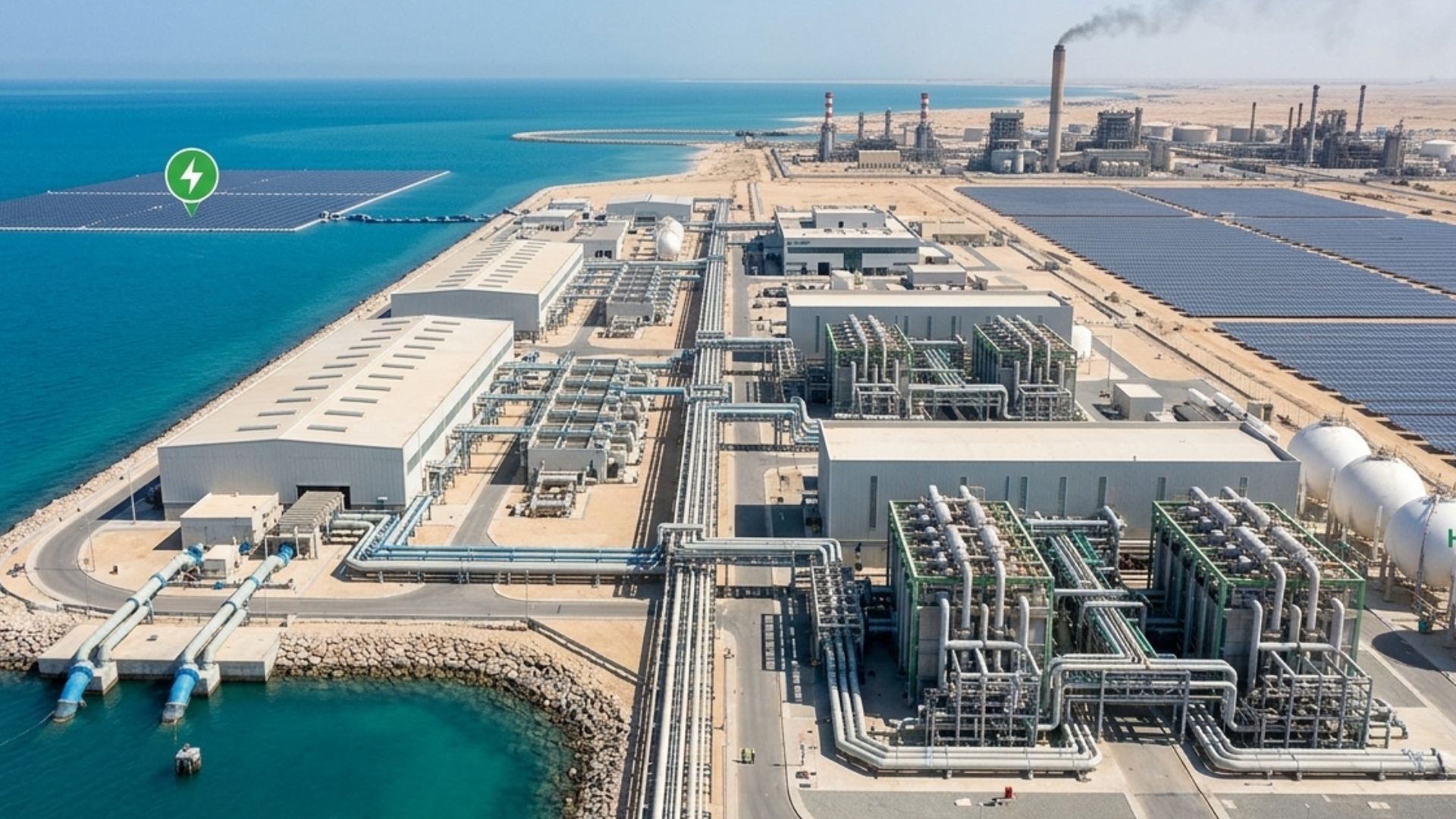
The world has bet on green hydrogen as the fuel of the future, but now faces the side effect: producing 1 kilogram requires about 9 liters of ultrapure water, and the largest projects on the planet are precisely in the driest regions of the Earth, where water is already scarce for people.




In Addition To The Energy Impact, Citi Estimates That The Project Could Increase Investment/GDP By Up To US$ 16.7 Billion Annually Over The Next Ten Years. Experts Suggest That, In Addition To Job Creation, The Project Is Expected To Boost The Construction And Logistics Sectors On A Large Scale.
The 5 Largest Hydroelectric Plants In The World And Their Impacts
1. Three Gorges (China)
Located On The Yangtze River, Hubei Province, It Is The Largest Hydroelectric Plant In Operation, With 22.5 GW Of Installed Capacity.
Learn About Three Gorges
2. Baihetan (China)
On The Jinsha River, Between Sichuan And Yunnan, It Has 16 GW Of Capacity, Being The Second Largest Hydroelectric Plant On The Planet.
See Details About Baihetan
3. Itaipu Binational (Brazil/Paraguay)
Built On The Paraná River, It Has A Total Of 14 GW Of Capacity And Supplies Two Countries.
Learn How Itaipu Supports Brazil And Paraguay
4. Xiluodu (China)
Also On The Jinsha River, It Is The Third Largest In China, With 13.86 GW Of Capacity.
Check Everything About Xiluodu
5. Belo Monte (Brazil)
On The Xingu River, In Pará, It Has 11.2 GW Of Installed Capacity, Being The Largest Hydroelectric Plant In Brazilian National Territory.
Understand The Importance Of Belo Monte
Environmental And Geopolitical Concerns
Despite The Economic Potential, The Project Raises Concerns Among Neighboring Countries. In India And Bangladesh, The Yarlung Tsangpo Becomes The Brahmaputra River, A Vital Source Of Water Supply And Irrigation For Millions Of People. Local Governments Fear That The China May Manipulate The Flow Of The River In Times Of Political Tension, Causing Floods Or Artificial Droughts.
Environmental NGOs Also Warn Of Ecological Impacts, Including Potential Changes To The Region’s Ecosystem And Risks To Local Species. In Response, Beijing Has Assured That The Dam Will Not Cause Harm To Areas Downstream And That It Will Maintain Communication With Affected Countries.
The Information Was Released By braziljournal And International Agencies, Based On Official Announcements From The Chinese Government And Economic Impact Estimates Provided By Citi.







Be the first to react!