





 Portuguese
  English
  Spanish
  5 min of reading
  1 comment


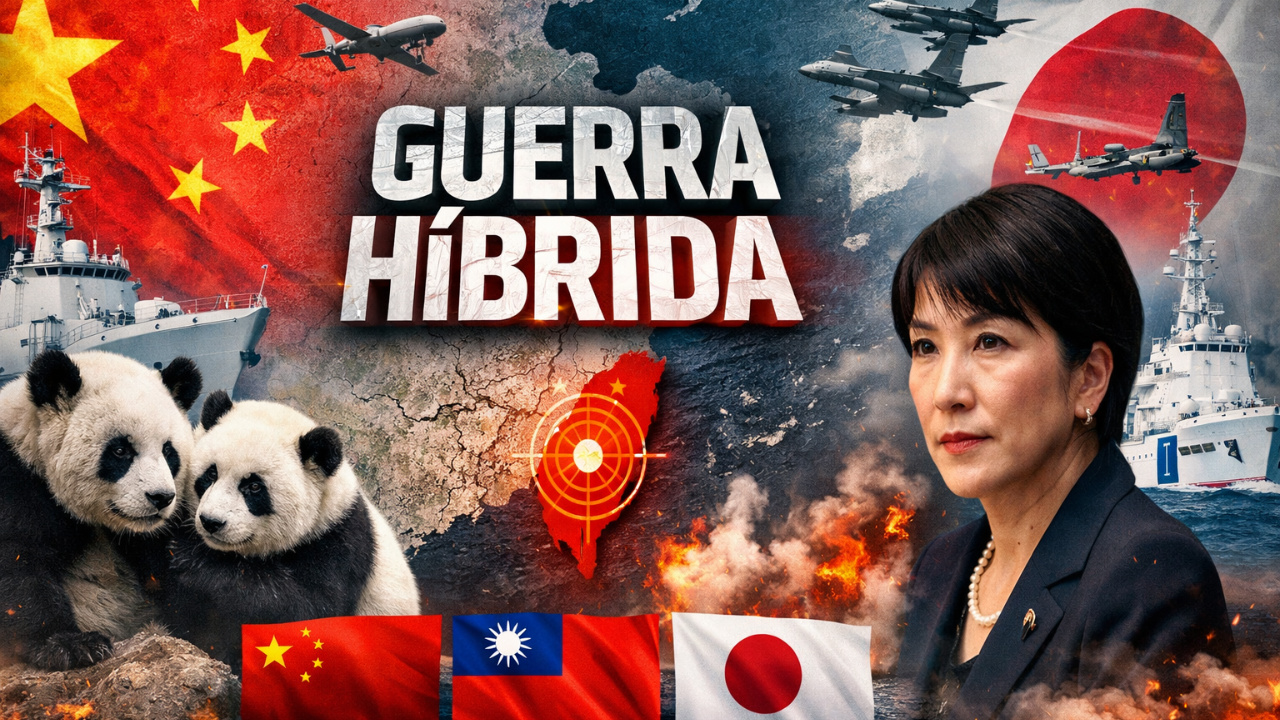


China Uses Economic Coercion and Diplomatic Pressure Against Japan Amidst the Taiwan Dispute. Understand the Geopolitical Risks of Escalation.
The escalation of tension between China and Japan has taken on new contours in recent weeks, following statements from Japanese Prime Minister Sanae Takaichi regarding potential involvement from the country in the event of an attack on Taiwan.
The episode began in November, intensified recently in Tokyo and Beijing, and now involves diplomatic, military, cultural, and economic pressure.
The Chinese response includes typical measures of hybrid warfare, such as economic coercion, low-level military mobilization, and even the symbolic return of pandas to Chinese territory.
-
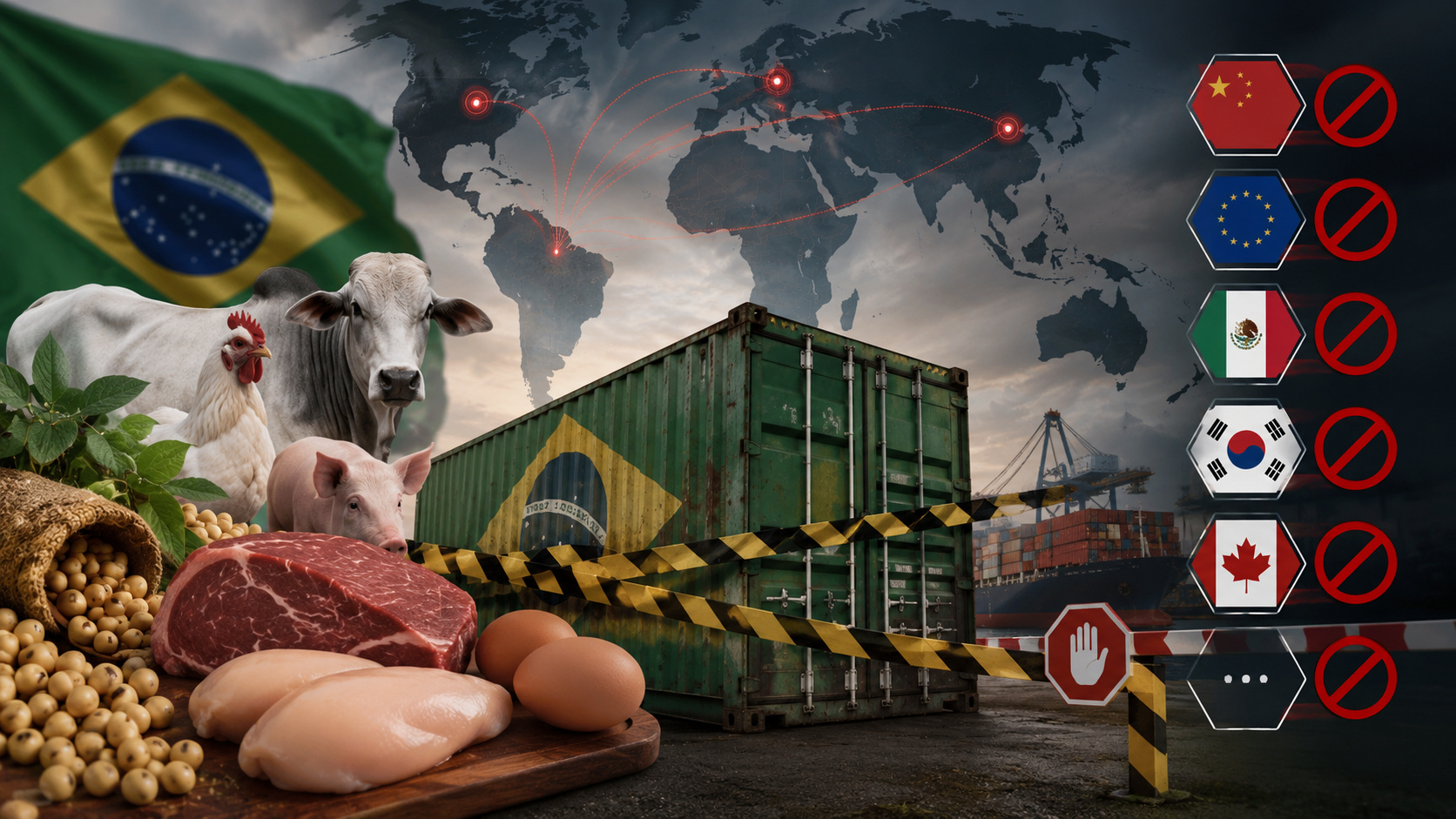
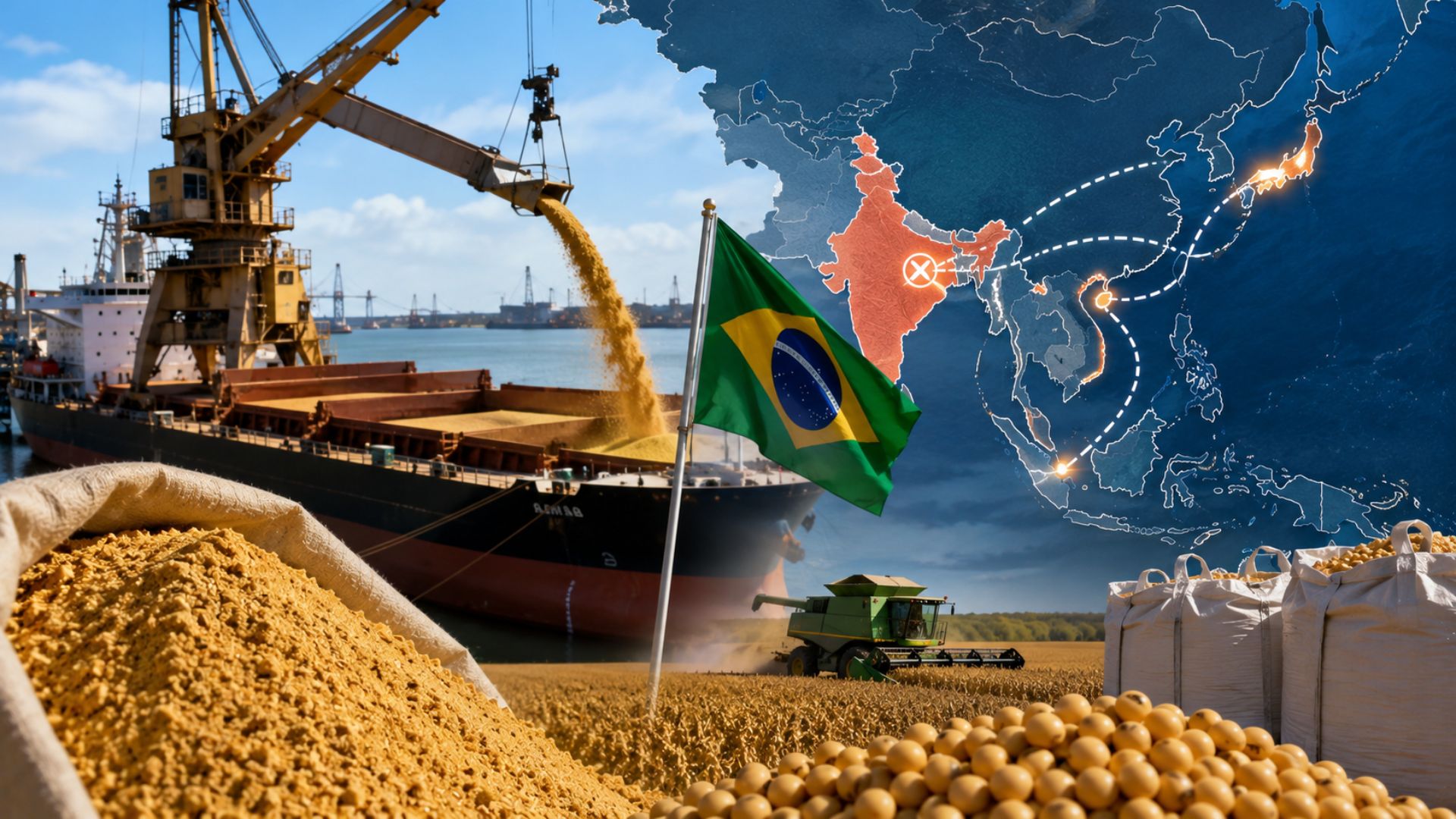
China, European Union, Mexico, South Korea, Canada, and other markets tighten the siege against Brazilian agribusiness: soybeans, beef, chicken, eggs, and live animals are targeted by sanitary barriers, environmental rules, and requirements that expose Brazil’s billion-dollar dependence on foreign buyers.

-
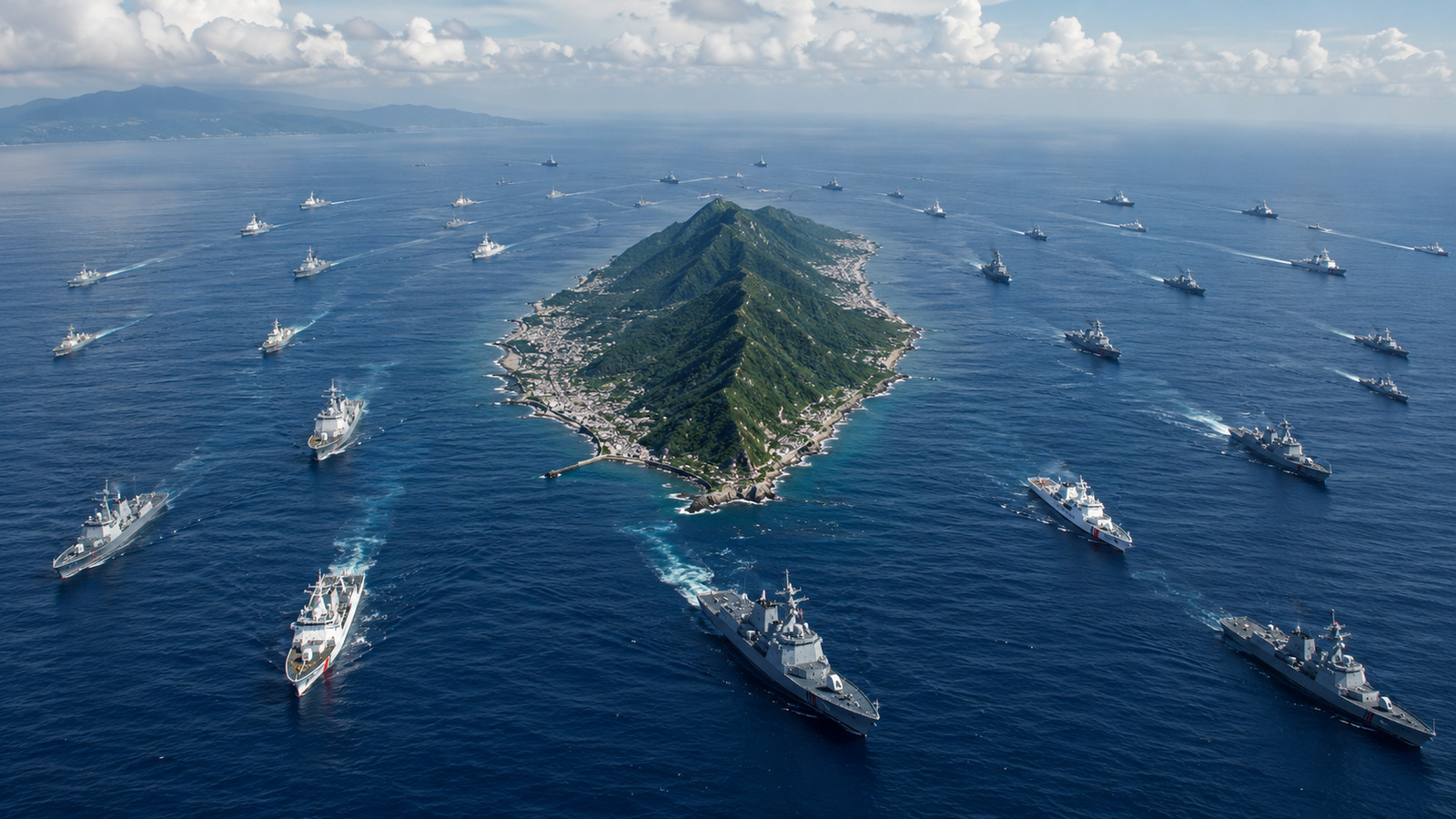
More than 100 Chinese ships are surrounding Taiwan, warns the head of the country’s National Security Council.

-
Trump’s announcement about sending 5,000 American soldiers to Poland was received with relief by European allies, but it also raised doubts within NATO about the United States’ strategy, the permanence of the troops, and the division of defense costs on the continent.
-
Yesterday, on the 21st, President Lula stated that he fears an incursion by Donald Trump into the Amazon: while the Brazilian Army advances in a transformation policy that includes troop reorganization, use of technology, and 20% of the forces in a high state of readiness.


The central reason: the defense of Chinese sovereignty over Taiwan, considered by Beijing a “red line.”
Shortly after Takaichi’s remarks, China reacted with official condemnations and demanded a retraction.
As there was no apology, pressure gradually increased, affecting different fronts and deepening the bilateral crisis.
Hybrid Warfare: How China Increases Pressure on Japan
Experts assess that Beijing has adopted a strategy of hybrid warfare — a term used to describe indirect, low-intensity actions aimed at wearing down the opponent without declaring formal conflict.
Robert Ward from the International Institute for Strategic Studies stated that China has expanded pressure on “much more fronts.”
According to him, this is a diffuse action similar to that applied against Taiwan, aimed at “wearing down the opponent to normalize things that, in fact, are not normal.”
In practice, this includes everything from formal complaints at the United Nations to the postponement of trilateral meetings involving China, Japan, and South Korea.
Additionally, Beijing sought support from European countries and intensified criticism of Japan with allies like Russia and North Korea.
During the Munich Security Conference, Chinese Chancellor Wang Yi classified Takaichi’s statements as a “very dangerous advance,” evoking memories of World War II to bolster the criticism.
Taiwan at the Center of the Crisis Between China and Japan
The issue of Taiwan is the most sensitive point of the dispute. Beijing considers the island a rebellious province and does not rule out the use of force to “reunify” it.
On the other hand, Taiwan has maintained its own government for decades and has the support of the United States.
The international concern is that a potential Chinese attack could provoke a direct confrontation between Washington and Beijing, involving allies like Japan.
Therefore, any Japanese mention of defending Taiwan is seen by China as external interference.
Although Takaichi stated she would be more cautious in discussing specific scenarios, she did not back down.
Analysts interpret her stance as a reflection of the strong electoral support she has recently garnered.
Economic Coercion: Tourism, Rare Earths, and Financial Impact
In addition to diplomatic and military pressure, China has advanced with measures of economic coercion against Japan.
Beijing restricted exports of dual-use technologies, including rare earths and critical minerals essential for industrial and defense sectors.
This strategy is considered a classic tool of economic coercion, as it targets strategic production chains.
At the same time, Chinese authorities advised their citizens to avoid travel to Japan. The result was the cancellation of flights on dozens of routes and a decline in tourism.
It is worth noting that Chinese tourists represent about 25% of foreign visitors to the country.
The cultural sector also suffered. Japanese shows in China were canceled, and movie premieres were postponed.
Even the Pokémon franchise became a target of controversy after criticisms related to an event at the Yasukuni Shrine.
Military Pressure and Territorial Disputes
In the military field, the Japanese government reported that China sent drones and warships near islands controlled by Japan.
There were also reports of Chinese fighter jets locking radars on Japanese aircraft.
Coast guard vessels confronted each other near the Senkaku/Diaoyu islands, a territory disputed between the two countries.
Additionally, Japanese authorities seized a Chinese fishing boat, further elevating the tension.
Despite this, analysts from the Center for Strategic and International Studies state that the Chinese reaction has, thus far, been “relatively limited compared to the past,” but warn that “there is ample room for greater escalation.”
Japan Responds and Strengthens Defense Amidst Hybrid Warfare
In the face of China’s pressure, Japan signals that it does not intend to back down.
Takaichi promised to raise defense spending to 2% of GDP sooner than planned and review national security strategies.
Kristi Govella indicated that the Prime Minister could use her electoral victory as “political capital” to strengthen defense and economic policies.
Meanwhile, experts assess that Beijing views Takaichi as a strong leader, which may limit new immediate escalations.
Kiyoteru Tsutsui from Stanford University stated that the Chinese campaign could even politically strengthen the Prime Minister.
“So this tune will likely continue playing for some time,” he predicts.
The Role of the United States in China-Japan Tension
The American factor adds uncertainty to the scenario.
President Donald Trump expressed support for Takaichi before the Japanese elections, a gesture considered unusual.
Meetings between Trump and Chinese President Xi Jinping are scheduled, including a state visit to Beijing.
Analysts assess that the moderate posture of the U.S. so far may be interpreted by Beijing as a sign of leeway to expand its influence.
According to Ward, there are fears in Japan that “Xi and Trump will reach a big agreement.”
Therefore, Tokyo tends to strengthen military cooperation with Washington to avoid losing strategic relevance.
High Tension and Perspectives
Experts agree that even if there is a thaw, relations between China and Japan are unlikely to return to previous levels.
The dispute over Taiwan remains at the core of the crisis.
The Chinese strategy of hybrid warfare and economic coercion demonstrates that the conflict goes beyond ships and planes.
It is a prolonged dispute for influence, historical narrative, and power balance in Asia.
Meanwhile, the symbolic return of the pandas and the economic pressures indicate that, in modern diplomacy, even seemingly soft gestures can carry significant strategic weight.
See more at: How China Uses Pandas and ‘Gray Zone Warfare’ to Increase Pressure on Japan – BBC News Brasil






Longo texto inútil porque narrou fatos antigos e fez especulações já conhecidas. Portanto, mais do mesmo. A China continua a considerar Taiwam como sua província rebelde e o Japão como país hostil que até hoje não se desculpou pelas atrocidades na Segunda Guerra Mundial.