






 Portuguese
  Spanish
  3 min of reading
  34 comments


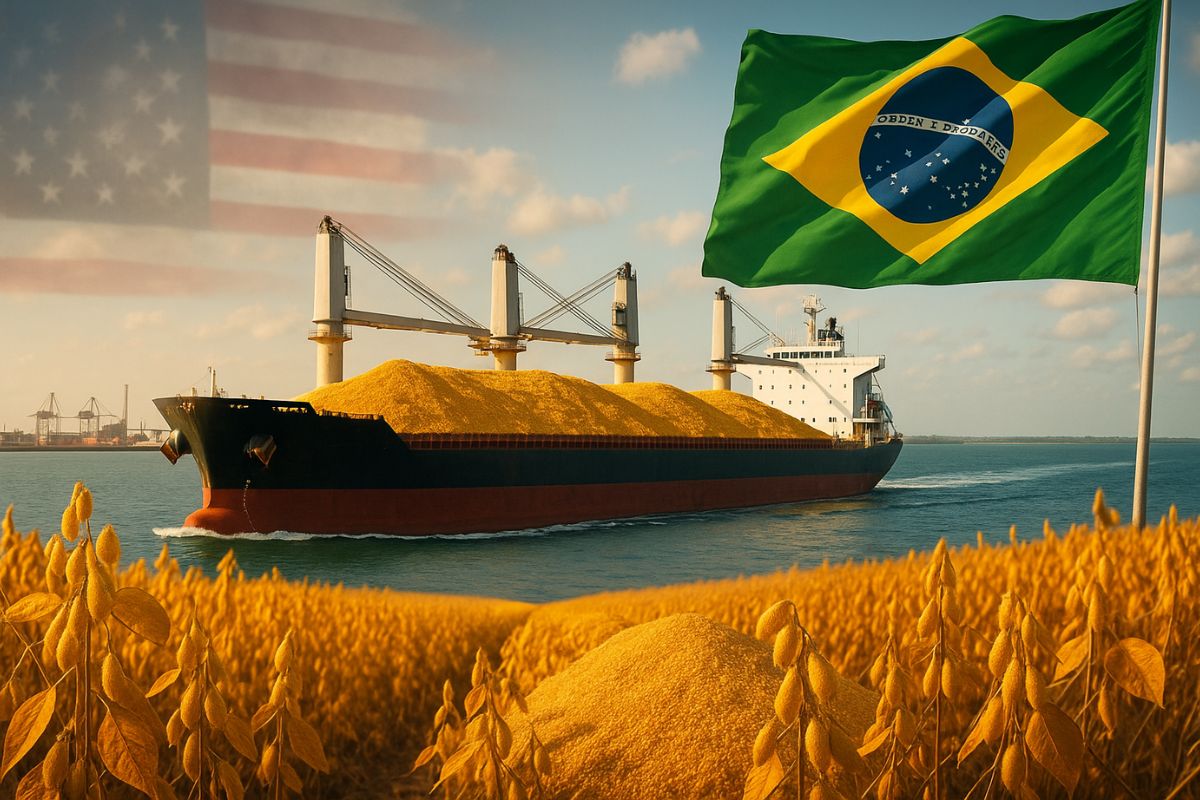


For The First Time, China Does Not Make Advance Purchase Of US Grain Until August. Historical Decision Changes Global Soy Trade Flow And Further Strengthens Brazil As The Main Supplier To China.
For the first time, China does not make advance purchase of US grain until August, according to Folha de S. Paulo. The lack of orders concerns American farmers, who typically have part of their harvest secured months before the harvest. The main reason is the increase in tariffs imposed by Donald Trump’s government, which has made American products more expensive and less competitive compared to Brazilian soy.
This change reinforces Brazil’s role as a strategic supplier for Beijing. While the US faces a 20% tariff to sell soy to China, Brazil can negotiate without this extra cost, expanding its presence in a market that moves billions of dollars every year.
Why This Decision Is Unprecedented
Traditionally, the Chinese start buying soy from the US as early as July to secure part of the harvest. In 2022/23, for example, 27% of Chinese imports were already ordered by that time. In 2025, this number is zero. Besides the tariff issue, there is an expectation of a record harvest in Brazil, estimated at over 170 million tons, which causes Beijing to wait to close deals at lower prices.
-
Low-Demand Brazilian Beef Offal Gains Popularity Abroad: Indonesia Purchases $19.5 Million, Boosting Revenue and Reducing Waste

-
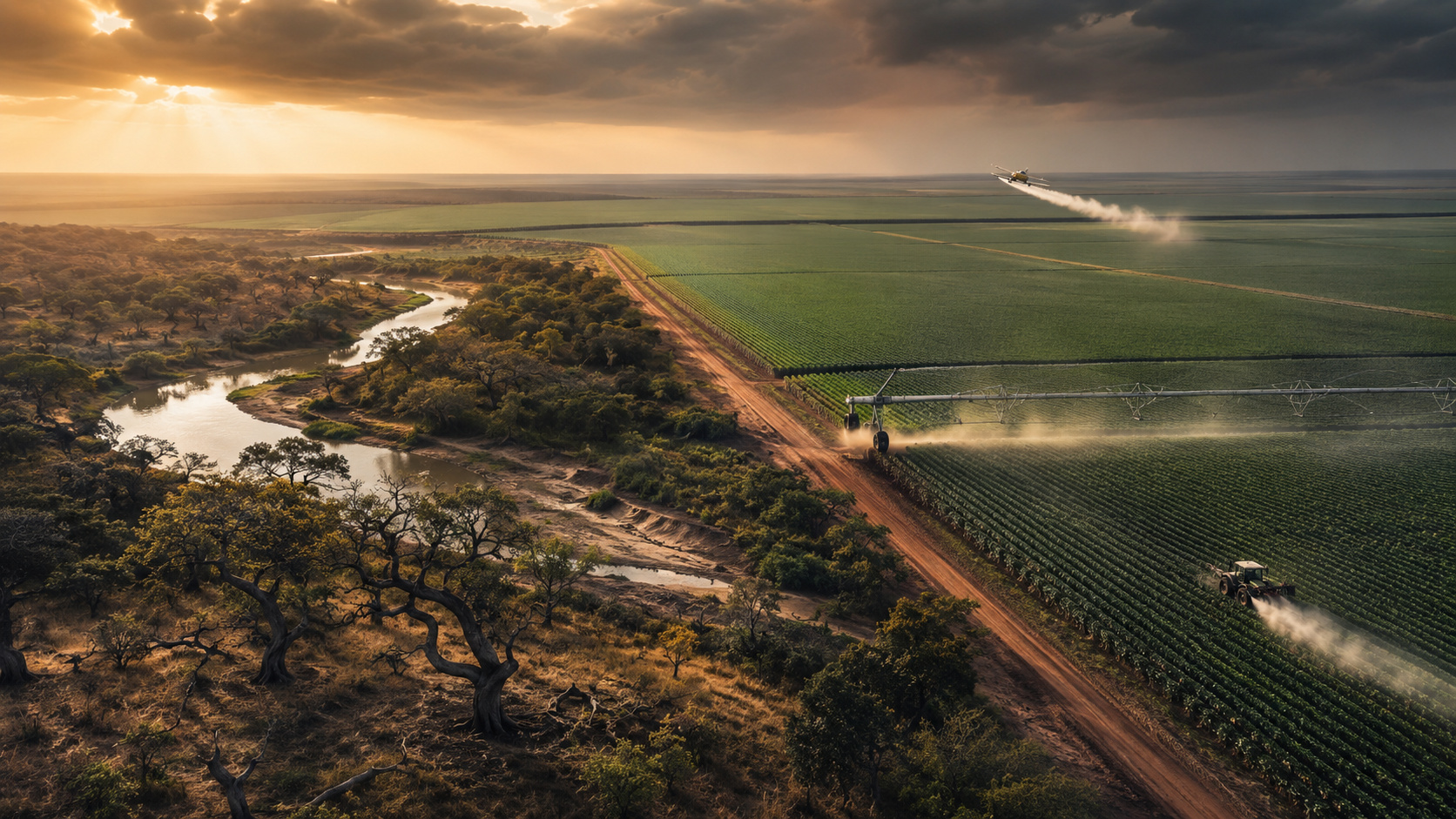
Soy Expansion in Former Brazilian Savanna Sparks Water and Land Conflicts in Major Agricultural Frontier
-
Mexican Pest Threatens U.S. Cattle Herds at Historic Lows, Potentially Boosting Brazilian Beef Exports as Burger Prices Soar

-
Avocado Boom for European and U.S. Markets Fuels Water Crisis in Drought-Stricken Chilean Region




Analysts point out that this situation is a direct result of the trade war initiated by Trump during his first term. Since then, China has gradually reduced its dependence on American soy and strengthened its partnership with Brazil.
The Impact On Prices And The Global Market
Data from AgRural shows that in August 2025, Brazilian soy with shipment for October cost US$ 490 per ton, while the American one was US$ 535, already including the Chinese tariff. This price difference explains China’s preference for Brazilian products.
The problem is that this choice could create a side effect: with Chinese demand concentrated in Brazil, the premiums paid for the national grain tend to rise, making Brazilian products less competitive in other markets. In this scenario, countries in Europe and Asia may end up turning to American soy.
The Pressure On American Producers
The situation is dramatic for farmers in the United States. The American Soybean Association (ASA) stated that they are “on the brink of a commercial and financial cliff,” as they cannot survive a prolonged dispute with their main customer. Before the trade war, the US exported about US$ 12.8 billion in soy to China. In 2018/19, after the start of the conflict, this value dropped to US$ 4.7 billion and has never returned to the same level.
In the cycle that ends now in August, China purchased 22.5 million tons of soy from the US, less than the 24 million from the previous year. Meanwhile, Brazil exported 88.6 million tons by August, of which 75% of this volume was destined for China, according to Anec.
Despite the preference for Brazil, experts believe that China will still purchase some American soy between November and January to avoid a “gap” between one Brazilian harvest and another. But the trend is clear: Brazil is consolidating as China’s main agricultural partner, while the US is losing ground in its most valuable market.
And you, do you believe that this dependence of Brazil on China is positive for the national economy or could it be a risk in the future? Leave your opinion in the comments — we want to know how you see this turning point in global soy trade.






É bom mas devemos investir em outras como medida de segurança!
Com esse desgoverno ladrãoooooooo de nove dedos o Brasil de mal pra pior principalmente o roubo da previdência que ninguém foi preso e nem vai ser né 😂 nossa o país está uma piada mesmo.
Você não leu o artigo! Você que é a piada.
No dia 02 o principal responsável pelo desvio do INSS será preso. Ta próximo!
Patriota Vira Lata MAGA reclamando que Brasil está vendendo mais soja para a China que os EUA??? Nunca isso em todo o mundo!!!
Troca a fita ****
Quanta desinformação..seria bom tirar a venda dos olhos
Pessoal da soja deviam comer sua soja .kkkkk. cheia de veneno
Eles, você e eu comemos em forma de carne!