Portuguese
  Spanish


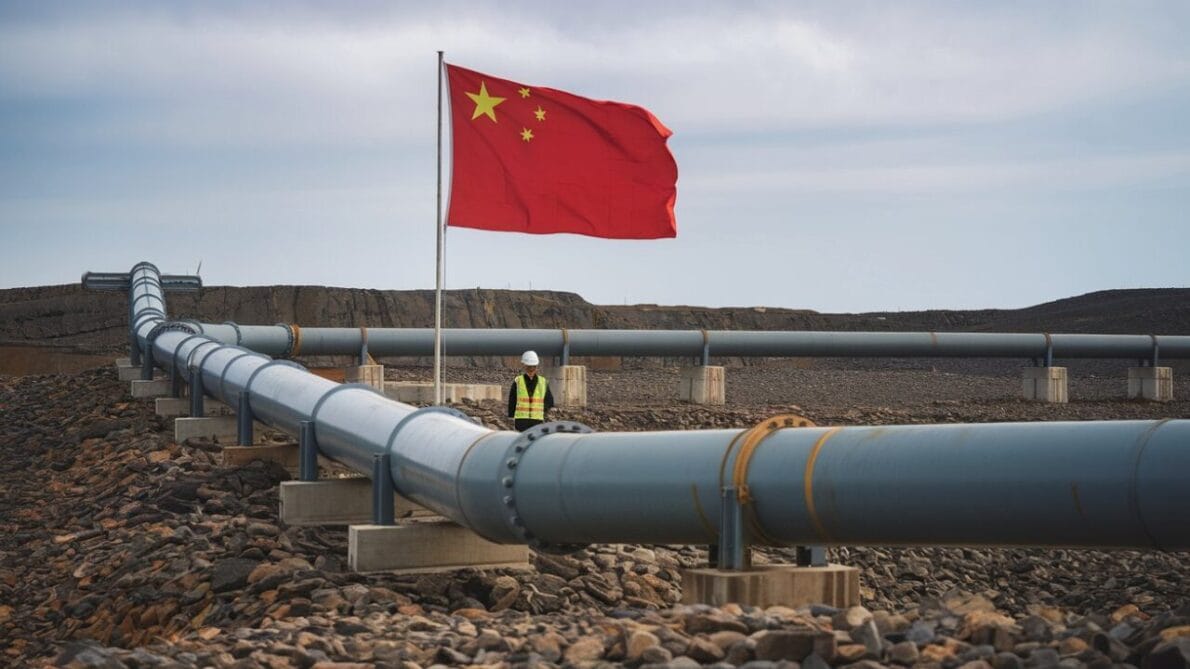

China Transforms Tariffs Into Profits By Diverting U.S. Liquefied Natural Gas To Europe, Capitalizing On Tensions With The United States And European Energy Shortage.
In a surprising move on the global geopolitical stage, China has adopted an unexpected strategy in the face of the trade war with the United States: the resale of U.S. liquefied natural gas (LNG) to European countries.
As Washington and Beijing exchange steep tariffs, the Asian nation is turning economic barriers into strategic opportunities, profiting from already signed contracts and supplying an energy-crisis-stricken Europe.
This case illustrates how the rivalry between powers can generate unexpected — and advantageous — side effects for those who know how to maneuver.
-
OPEC+ Boosts Oil Supply by 188,000 Barrels per Day in July 2026, Leading to Price Drop from $112 to $89 per Barrel in Under Two Months

-
TotalEnergies Signs 20-Year Deal to Purchase 2 Million Tons of LNG from Alaska, Boosting Project Viability
-
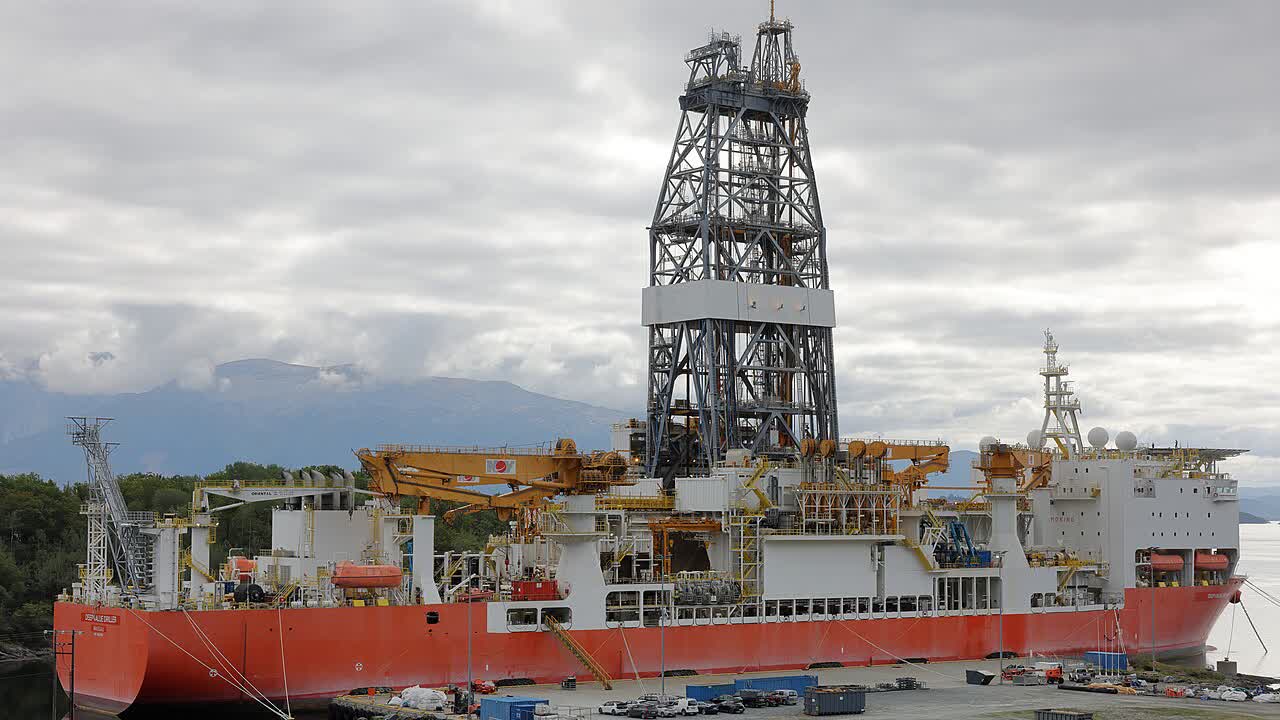
Turkey Deploys Çağrı Bey Drilling Ship to Explore New Oil Frontier Off Somalia’s Coast
-
Golden Pass LNG Ships First Liquefied Gas Cargo from the U.S., Completing $10 Billion QatarEnergy and ExxonMobil Investment


The Trade War And China’s Turnaround
Tensions between the United States and China have escalated in recent months, with mutual tariffs imposed affecting various sectors.
Among the affected products, American natural gas has been heavily taxed by China, which initially suggested a reduction in the consumption of the product.
However, the Asian giant surprised many by not terminating import contracts, but instead reselling part of the acquired shipments at higher prices in the European market.
Europe In Search Of Gas
The war in Ukraine and the consequent reduction of Russian gas supply have put Europe on high energy alert.
Countries like Germany are facing historically low gas reserve levels — around 7% of capacity — and are urgently seeking alternative sources to avoid collapse during the winter.
In this context, natural gas coming from China, albeit indirectly from the United States, represents an immediate relief.
The Chinese strategy provides economic and political returns. By reselling American LNG, even amid retaliatory tariffs, China recovers some of its costs and strengthens its trade ties with the European continent.
This move also reinforces its influence in the global energy market, demonstrating a remarkable ability to adapt in the face of U.S. pressures.
Increasing Complexity In The Energy Market
This case highlights the growing complexity of global energy flows, increasingly shaped by geopolitical factors.
Europe, relying on intermediaries like China to secure its natural gas supply, raises an alert regarding long-term energy security.
The resale of liquefied natural gas by China, originating from the United States, temporarily redefines trade alliances and challenges the traditional logic of energy dependence.
More than just an economic move, it is a strategic maneuver that shows how the geopolitical chessboard is in constant flux — and how, even in times of sanctions, energy remains a powerful currency of global influence.