






 Portuguese
  Spanish
  3 min of reading
  3 comments


China Announces Pharaonic Megastructure That Promises to Revolutionize Solar Energy Sector. China’s Grand ‘Solar Wall’ Promises to Generate 100 GW of Power, check out the details!
In the Kubuqi Desert, China is working on a new pharaonic megastructure that promises to make history. This is the Grand Solar Wall of China, a project with thousands of photovoltaic solar panels. The project, which is expected to redefine the potential of clean energies, especially solar energy, is set to be completed in the early next decade.
Pharaonic Solar Megastructure Will Have Capacity for 100 GW
The choice of the name Grand Solar Wall, which will supply electricity to major cities in the Asian country, is a direct reference to the Great Wall of China, built over 2,000 years ago. While the goal of the first wall was to provide protection, the new wall aims to increase energy autonomy, boosting supply in Beijing.
This is because, when the construction is completed, the maximum generation capacity of the pharaonic megastructure will be 100 gigawatts. Currently, 5.4 gigawatts are generated, according to Chinese authorities.
-
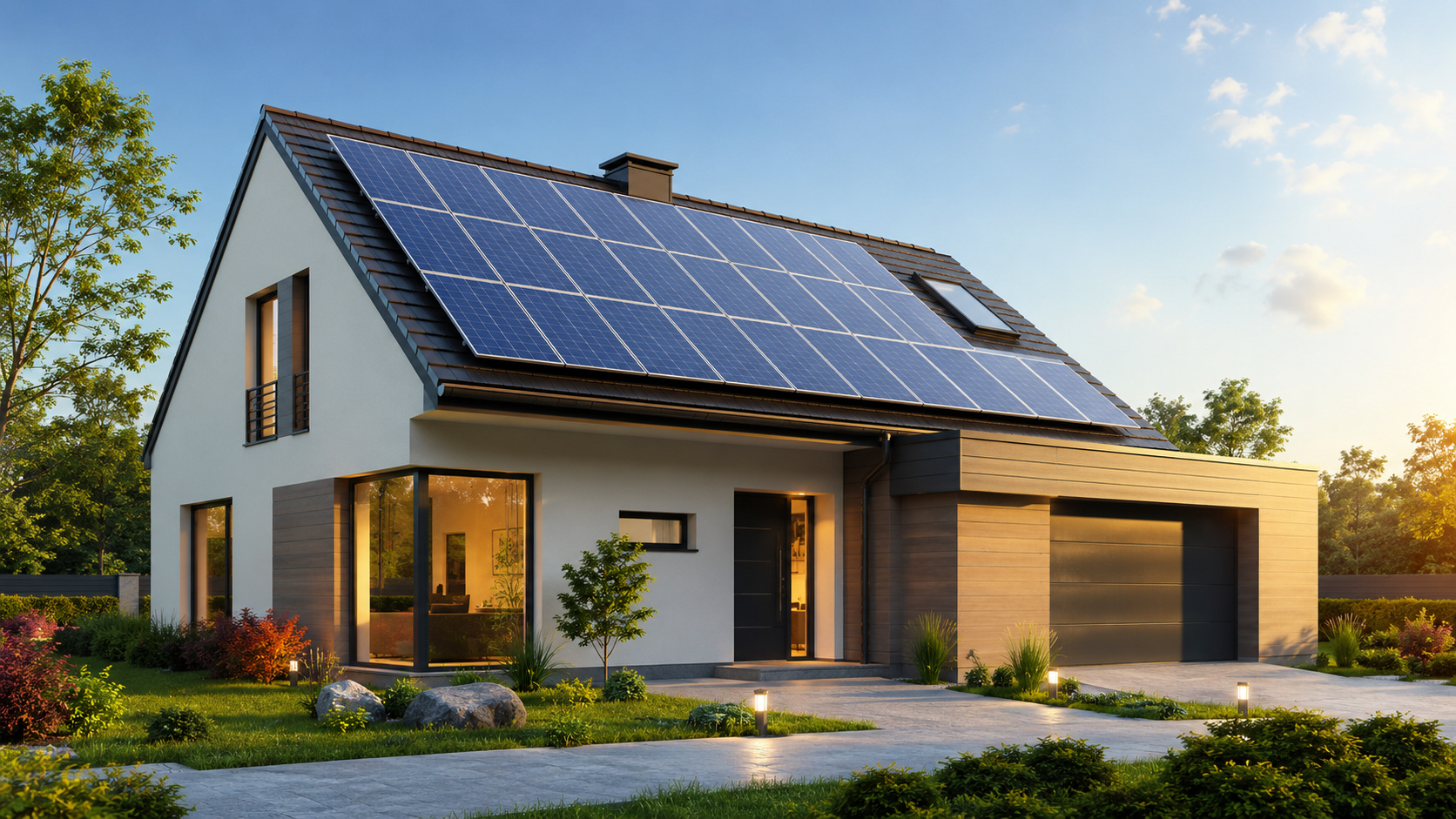
Solar energy can increase property value by up to 10% and become a selling point.

-
Solar and wind energy surpass natural gas for the first time in the world and accelerate energy revolution

-
Africa has about 500,000 cell towers and most still burn diesel to operate, while companies rush to cover antennas with solar energy and avoid signal blackouts.
-
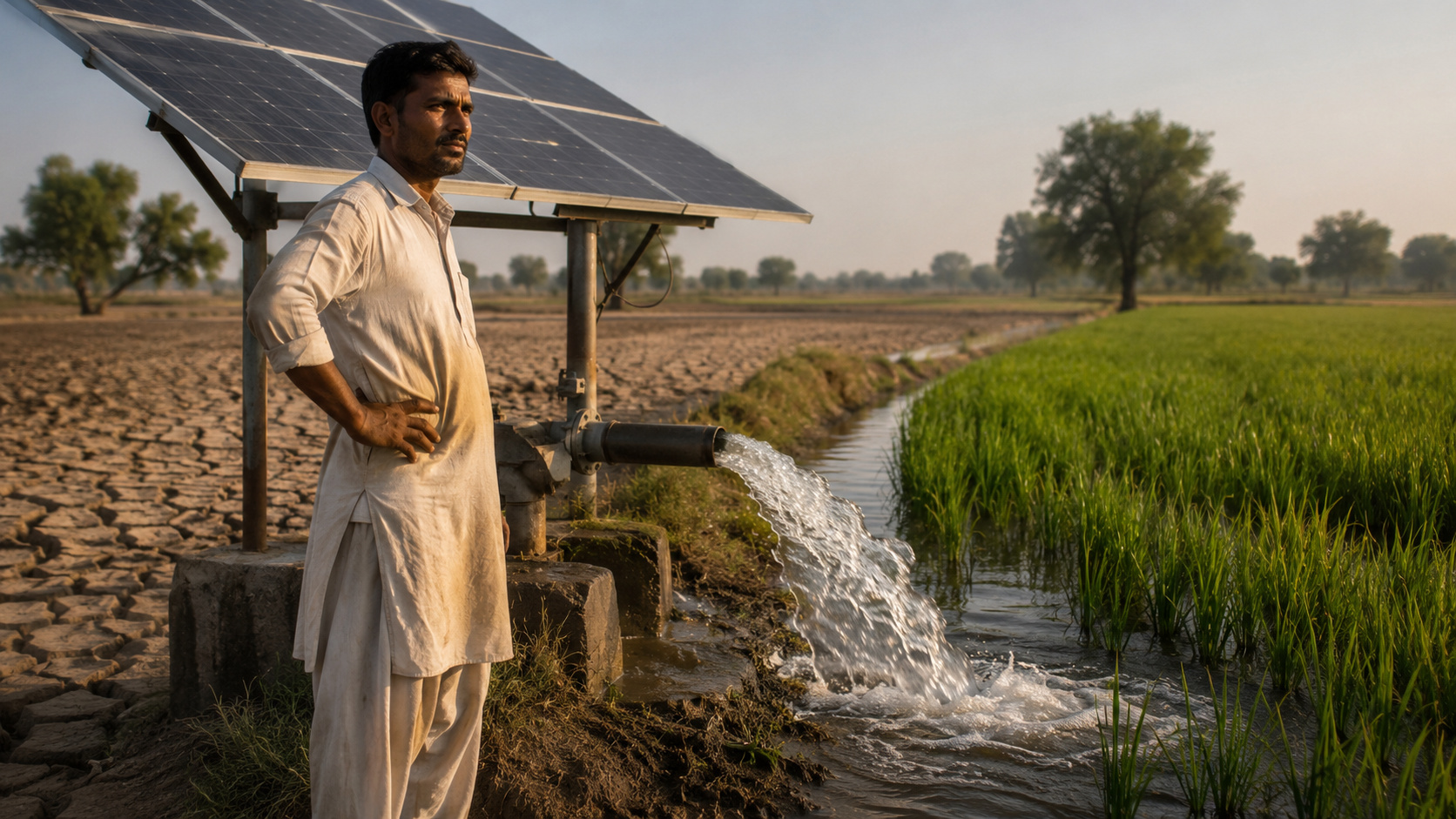
Farmers swapped diesel for solar panels in Pakistan, powered irrigation pumps almost cost-free, expanded rice fields, and now groundwater has become a red alert in the countryside.



The site chosen for the construction of China’s Grand Solar Wall is the Kubuqi Desert, considered one of the largest in the region, located in Inner Mongolia. Before the project, the site was already nicknamed the sea of death.
There, the sand dunes are gradually being replaced by equipment that enables solar energy generation through sunlight and solar radiation. The first images of the pharaonic megastructure can already be seen from space, as shown by photographs from the Landsat 8 and 9 satellites.
Benefits of China’s Grand Solar Wall
When completed, the solar power plant will be 400 km long and 5 km wide, making its spatial observation even more astonishing. Its power could strengthen China’s leadership in generating this type of renewable energy.
Beyond the renewable source of electricity, China’s engineers anticipate other impacts related to the pharaonic megastructure in the fields of ecology and sustainability.

With the installation of solar panels, the expectation is that soil erosion will reduce, consequently decreasing sediment deposition in the Yellow River, also known as Huang He, which is the second longest in the Asian country.
Another important point is that the elevated panels create shade on the ground, which could slow evaporation and facilitate the cultivation of grasses and other crops beneath them. Moreover, previous analyses suggested that solar plants have enabled the greening of deserts in other parts of China in recent years.
Offshore Solar Plant Also Gains Attention
In addition to this pharaonic megastructure, CNH Energy, China’s state energy company, connected in November the first batch of solar panels from the world’s largest offshore solar power plant to the electrical grid.
The project is located 9 km off the coast of Dongying, in Shandong province, covering 1,200 hectares. The largest offshore solar plant has nearly 3,000 photovoltaic solar panels, each measuring 60×35 meters.
The total capacity of the largest offshore solar plant is 1 GW, enough to supply 2.6 million people per year. The country, the world’s largest energy consumer, accelerates the transition to renewable sources with this megaproject from China. In addition to generating energy, the largest solar plant also includes fisheries, maximizing the use of marine space.
This milestone symbolizes China’s energy transition in recent decades. It is worth noting that JinkSolar provided its Tiger Neo bifacial modules with n-Type tunnel oxide passivated contact (TOPCon) for the project.





Dunas de areia….vento pra **** ….manutenção e trincas pra cavete tudo nesse site deducadoba petroleo é muito superlativo e extraaordinaruamentevinacreditavel….parece mesmo que quanto mais solar, mais termoelétricas a petroleo irão a
terão que operar para felicidade do Suarez do Sarney e dos Batistas
Melhor que seja offgrid em cada residência e empresa ou pequenas estações espalhadas entre as cidades
Aí a manutenção vai ser tão grande e cara, que vão cobrar taxas gigantescas pra poder sustentar o sistema…