






 3 min of reading
  0 comments


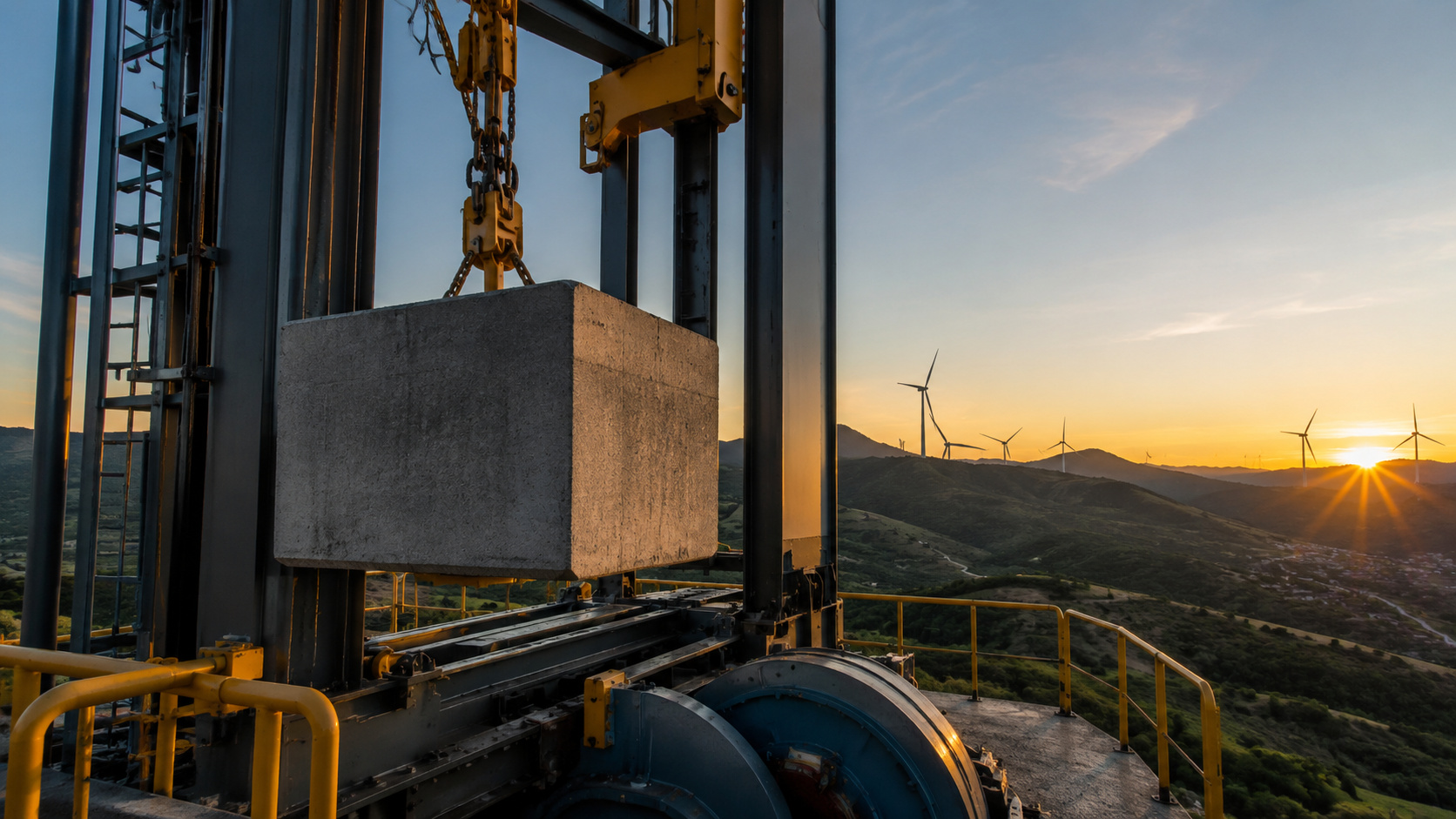
The technology uses the force of gravity to store energy and return it to the grid when there is a need for electricity generation
Gravity batteries have gained attention in the energy sector for presenting a simple and sustainable way to store electricity. The system uses gravitational potential energy, which arises when a mass is elevated to a certain height, and transforms this movement into a kind of energy reserve. In practice, the excess energy from the grid is used to lift a weight, such as a concrete block or water pumped to a higher area. Then, when electricity is needed, this mass descends in a controlled manner and activates an electric generator. This process converts the stored energy back into electricity and shows how gravity can be used as an ally of the grid.
Operation transforms height into electric reserve
The principle of gravity batteries starts from a straightforward logic but with great potential for application. First, the surplus energy available on the grid raises a mass and creates a reserve of potential energy. Then, this mass remains in an elevated position until electricity is needed again. When demand occurs, the weight is released, and its descent moves a generator. In this way, potential energy is converted into electrical energy through a mechanical process. The concept does not create new energy but allows storing the surplus produced earlier and reusing it at another time.


Concrete blocks represent a practical application
One of the most well-known forms of gravitational battery uses solid masses, such as concrete blocks, to generate electricity. In this model, the blocks are elevated with energy available on the grid and stored at height. Later, when they need to return energy to the system, they are lowered in a controlled manner. The movement produced during the descent activates an electric generator and transforms the energy potential into electricity. With this, weight, height, and gravity become central elements of a sustainable storage system.
-
Space technology used to search for water on Mars is now hunting for invisible leaks under the streets of São Paulo, using satellites, AI, and chlorine signals to help Sabesp recover up to 6.7 billion liters of water.

-
Japan sends ship to extract mud rich in rare earths at nearly 6,000 meters deep in the Pacific, attempts to lift 350 tons per day from the seabed, and transforms sediments near Minamitori Island into a strategic weapon to reduce dependence on China.
-
Venus Aerospace promises a rotating detonation hypersonic engine that takes the Stargazer to Mach 9 and crosses oceans in 1 hour, but the flight that made history barely surpassed the speed of sound.

-
Brazilian student creates a cheap formula that makes plants grow up to 90% faster and wins an award in a global scientific competition.


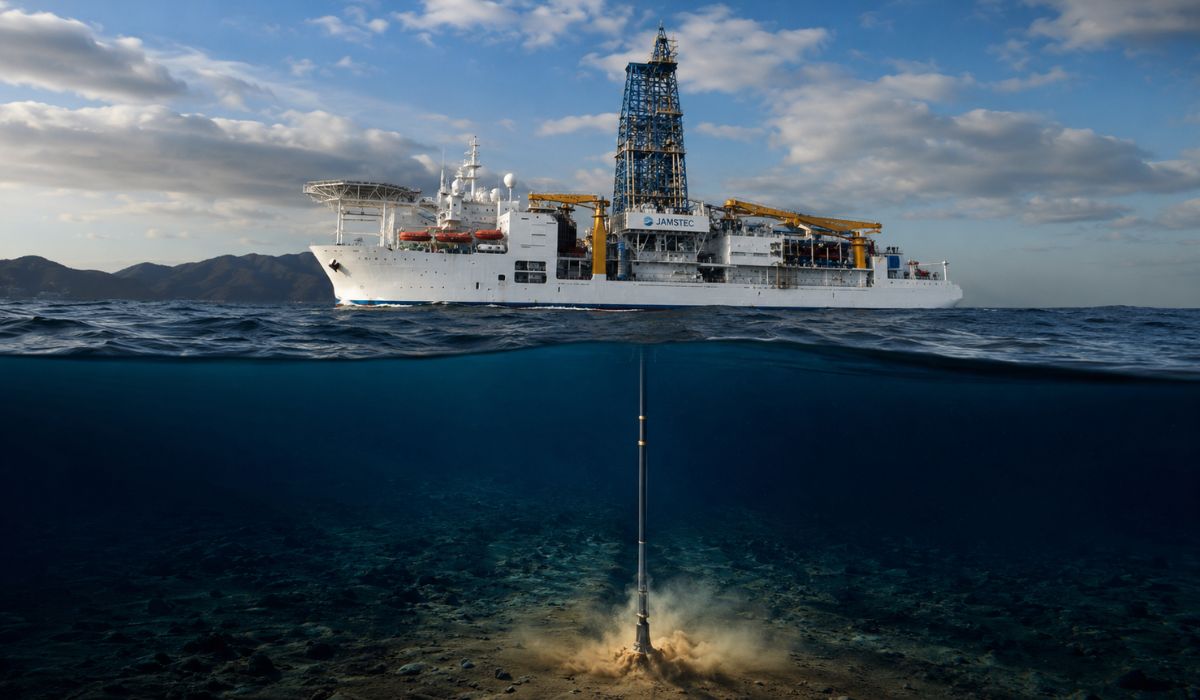


Pumped hydroelectricity is the most common model
The most common form of gravity battery appears in pumped-storage hydroelectricity. In this system, water is pumped to reservoirs located at higher altitudes when there is surplus energy. Then, this water is released and passes through hydraulic turbines to generate electricity. This method uses the same principle as gravitational batteries, as it stores energy due to the difference in height. The elevated water acts as an energy reserve and, when descending, transforms movement into electricity generation. Therefore, this model is considered the most established application of the concept.

Sustainable storage gains importance in the grid
Gravity storage stands out because it uses a constant natural force to store energy sustainably. The technology can take advantage of surplus electricity from the grid and return it when needed. This operation helps better organize the use of already produced energy, especially in systems that depend on supply variations. Moreover, the process reduces dependency on solutions based solely on chemical reactions, as it uses mass, height, and movement. In this way, gravity batteries become a relevant alternative within discussions about electrical storage.
Gravity can redefine the future of energy
The logic of gravitational batteries shows how an old physical concept can gain a new role in the modern electrical sector. The elevated mass stores energy, the controlled descent activates generators, and the electricity returns to the grid when needed. This simple cycle explains why the technology is being associated with the future of sustainable storage. Although there are different application formats, all follow the same basic principle: using gravity to transform potential energy into electricity.
Could the force that keeps everything grounded also help sustain the electrical grids of the future?


Be the first to react!