






 Portuguese
  Spanish


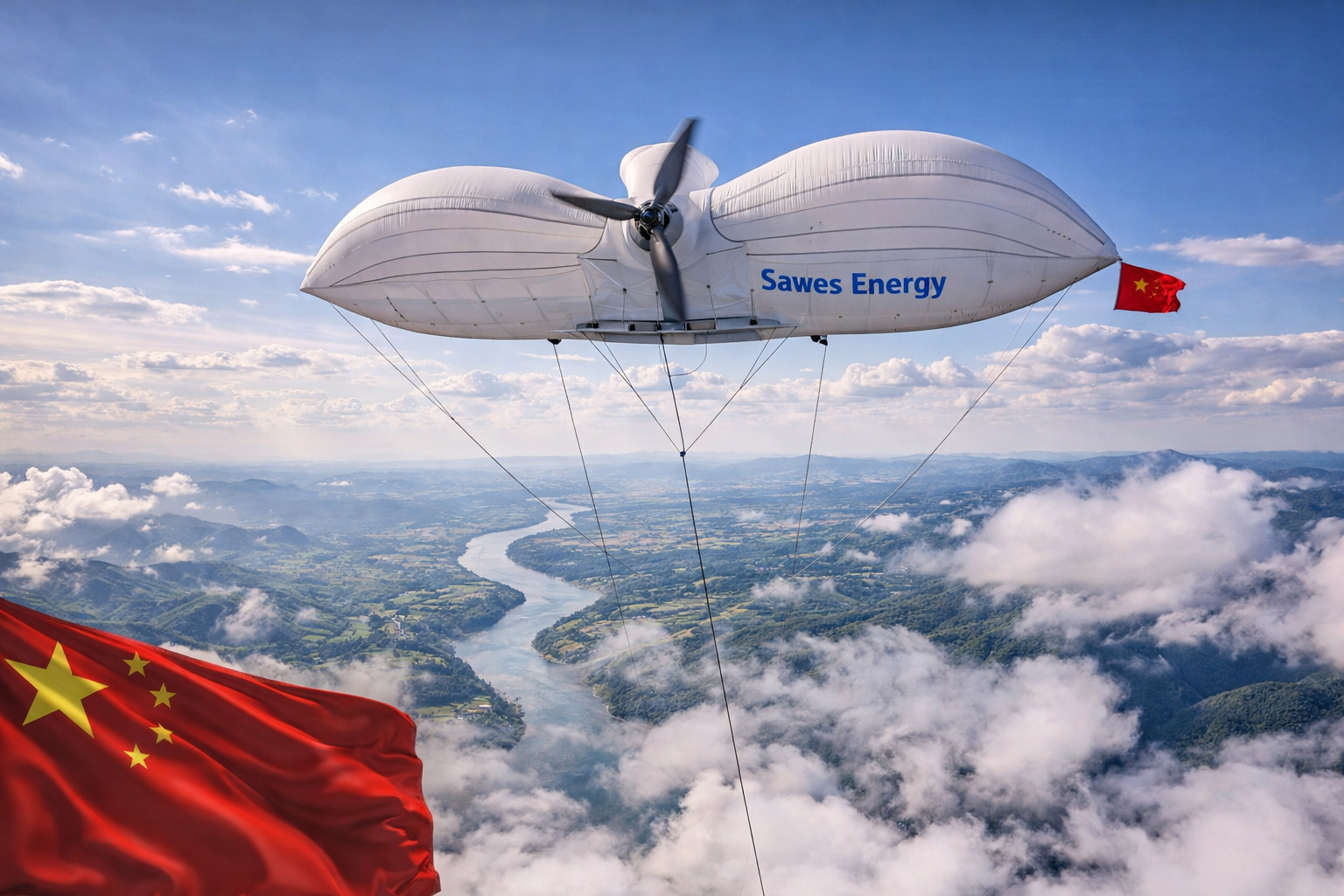


China has taken another step forward in renewable energy sources and tested the world’s first floating wind energy system.
The equipment, called S2000 Sawes, ascended to the skies in Yibin, in Sichuan province, marking a historic achievement for the energy innovation sector.
The test lasted 30 minutes and confirmed that the model can generate energy stably even during remote operation.
According to data released by Sawes Energy Technology, responsible for the project, the system reached 2,000 meters in altitude during the flight.
How Floating Wind Energy Works
The technology harnesses winds from higher layers of the atmosphere.
At these heights, the currents are much stronger than those found in traditional wind towers.
Thus, a single device can produce much more energy than conventional turbines installed on land or at sea.
-
Brazil filled the Northeast with wind turbines but now faces the side effect of 705 giant blades reaching the end of their lifespan by 2032 just in Rio Grande do Norte, while the world projects 43 million tons of waste by 2050.

-
Brazil has filled the Northeast with wind turbines, but now it faces the side effect of 705 giant blades reaching the end of their useful life by 2032 just in Rio Grande do Norte, while the world projects 43 million tons of waste by 2050.
-
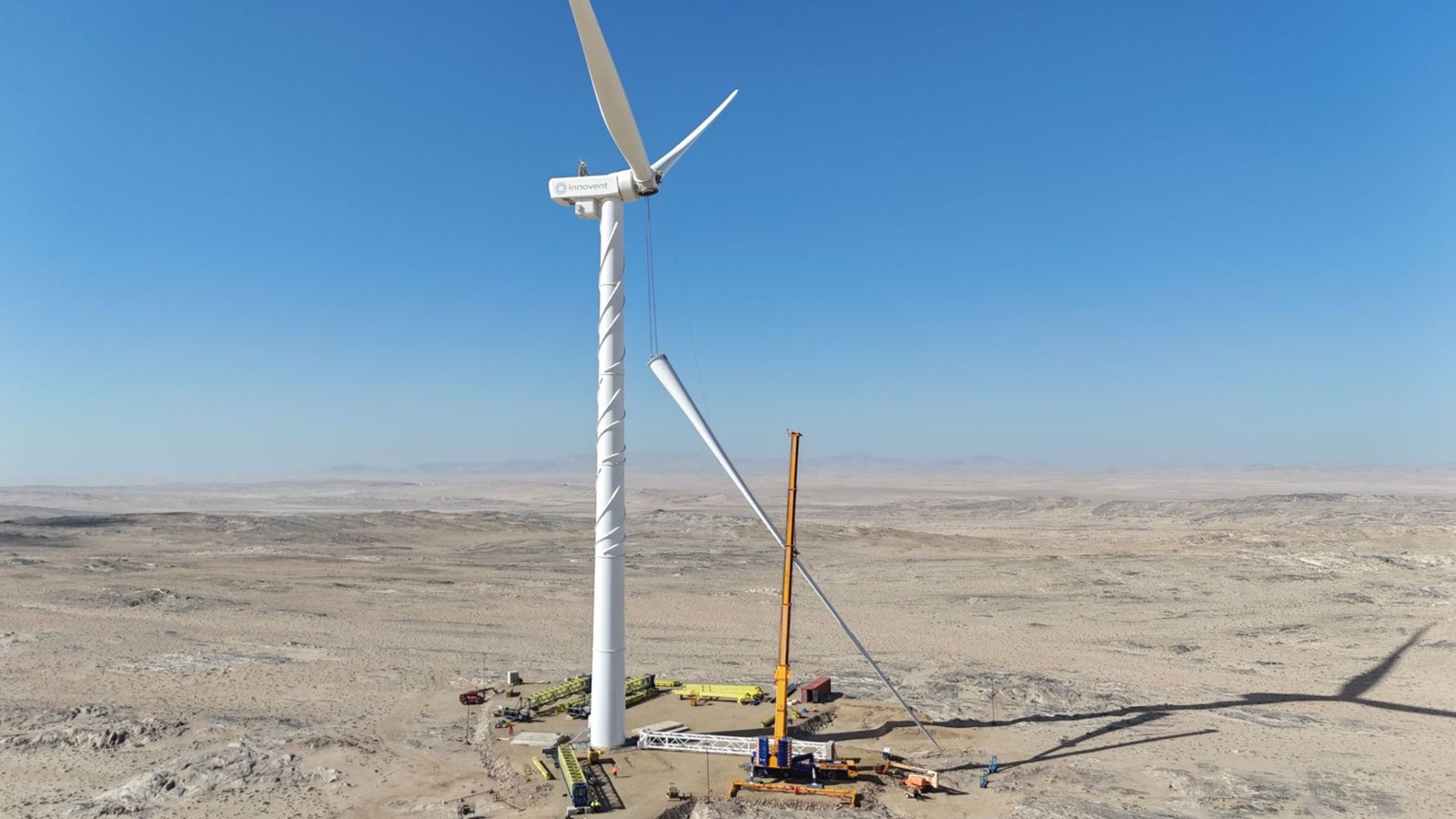
Wind farm in Namibia will have wind turbines assembled without giant cranes and is expected to avoid 200,000 tons of carbon dioxide per year when it becomes operational.

-
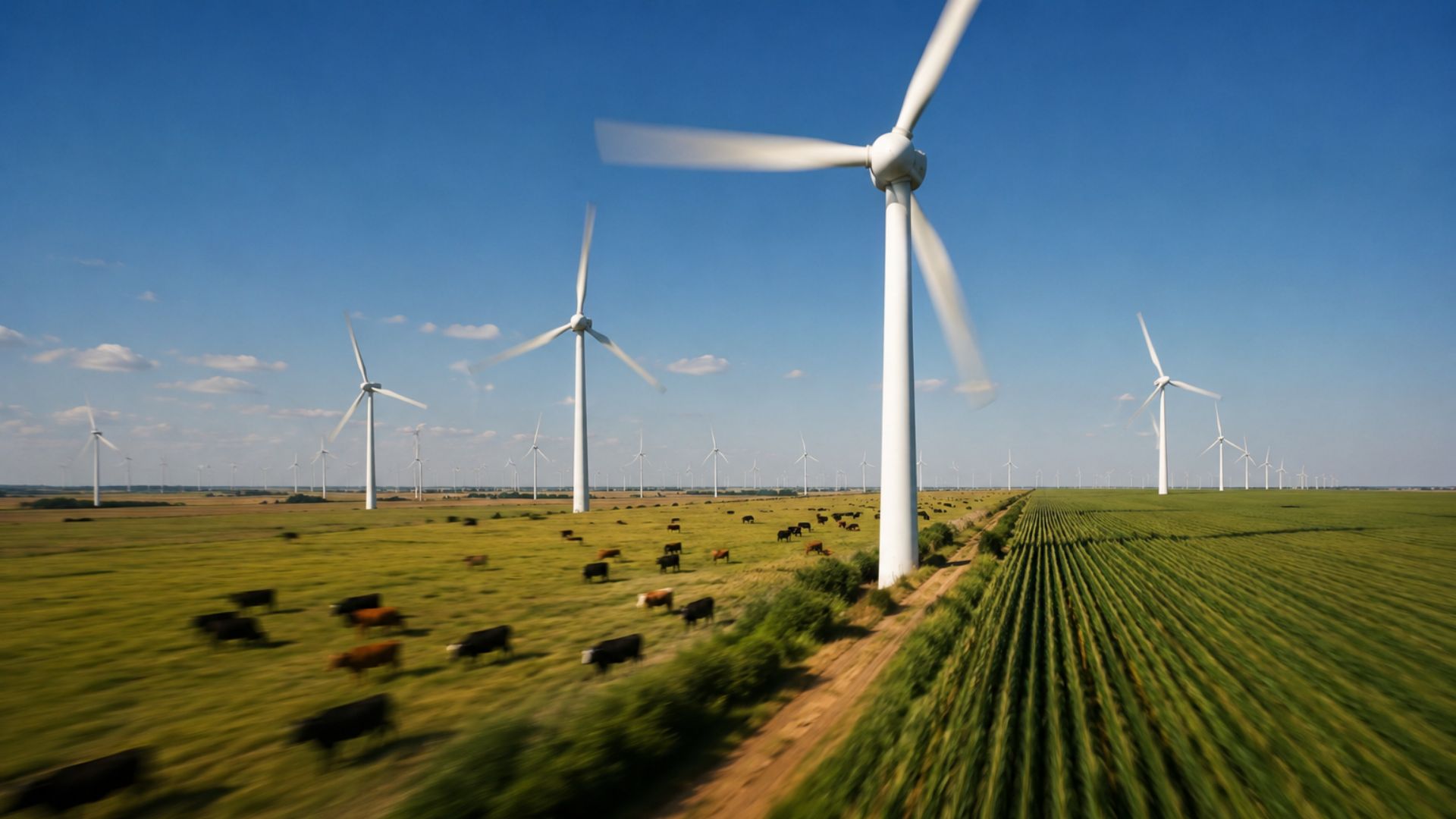
Taller than the Statue of Liberty, thousands of wind turbines are being planted in the middle of U.S. fields, creating two-story farms where corn and soybeans grow below while the wind turns into electricity above.


The concept also allows the equipment to track wind formations.
Therefore, the S2000 operates as a mobile generator tethered to the ground by cables, sending electricity as it collects the stronger winds.
Results of the First Test
During the experimental flight, the S2000 generated 385 kWh, a significant number for a half-hour operation.
For comparison, this energy would be enough to supply the daily consumption of dozens of households.
Moreover, the CEO of Sawes Energy Technology stated that under ideal conditions, the system can recharge 30 electric cars in just one hour of operation.
As a result, the equipment becomes a viable alternative to serve remote regions, military bases, and isolated areas without structured electricity grids.
Why Innovation Can Change the Renewable Matrix
Conventional wind energy faces physical limits: it relies on surface winds and the installation of tall and expensive towers.
With the use of stratospheric winds, production becomes more consistent.
When floating systems scale up, they can supplement onshore generation and help reduce the use of fossil fuels.
Additionally, China shows it wants to take a global leadership position in green technologies before Western countries standardize the market.
Challenges That Still Need to Be Overcome
Even with initial success, experts remind us that the technology is still in the experimental phase.
Operation at great altitudes requires constant monitoring.
Moreover, extreme winds can affect the stability and safety of the structure.
Another obstacle involves production and transportation costs.
Still, companies in the sector believe that scalability will solve some of these limitations in the coming years.
The test was conducted in January 2026 in the city of Yibin, Sichuan, under the coordination of Sawes Energy Technology.
According to the company, the S2000 Sawes reached 2,000 meters in altitude and generated 385 kWh in its first controlled flight.
Thus, floating wind energy marks the beginning of a new chapter and may become a key piece for the future of sustainable electricity grids around the globe.







