






 Portuguese
  Spanish
  3 min of reading
  0 comments


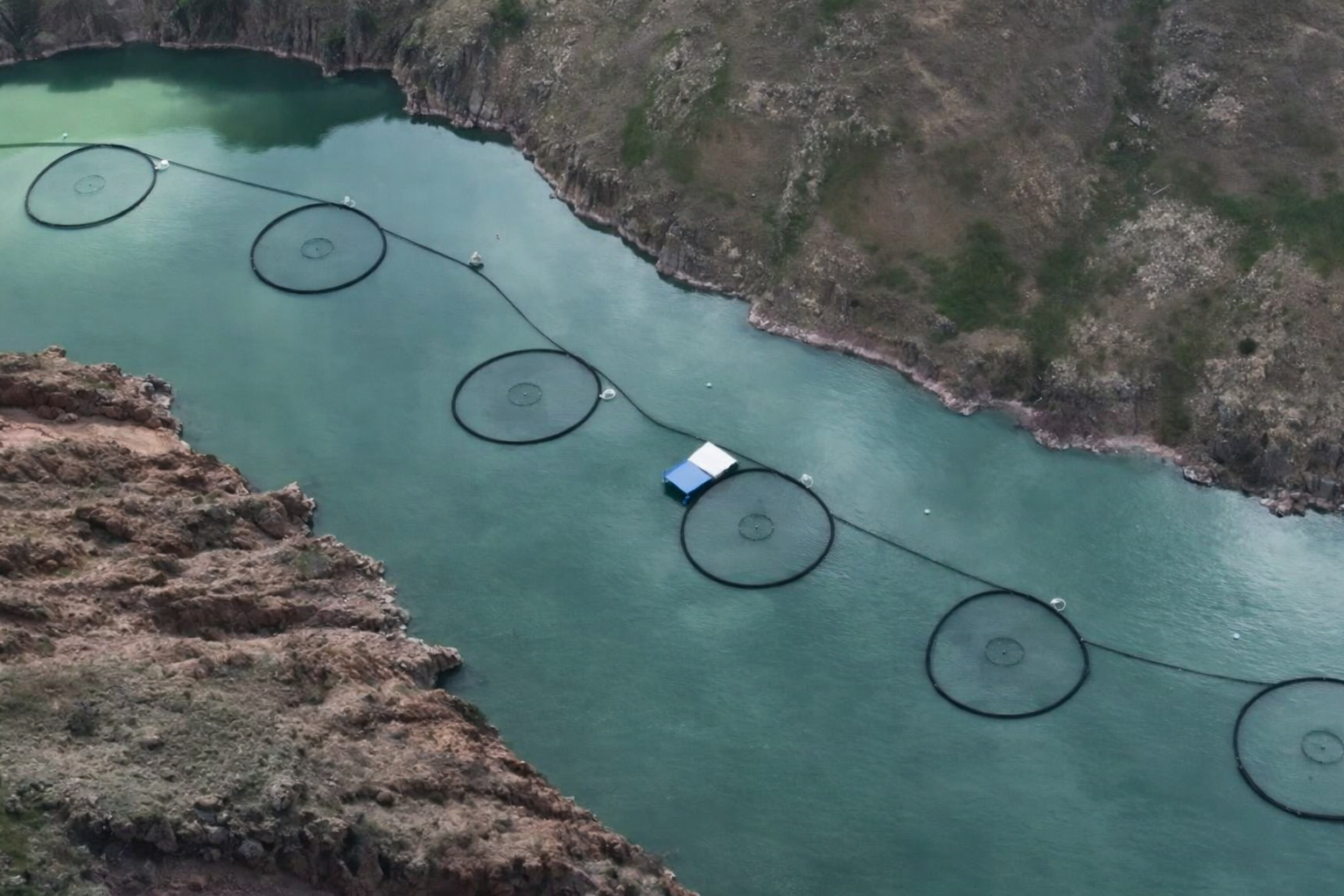
Project in the Taklamakan Desert Combines Advanced Chemistry, Thermal Management, and Water Engineering to Create an Artificial Inland Sea in the Midst of Extreme Aridity
For millennia, the Taklamakan Desert was synonymous with danger and isolation. Merchants on the historic Silk Road avoided crossing it at all costs. After all, its shifting dunes and relentless climate turned the region into a virtually impassable territory. In fact, the very name, derived from Uyghur, suggests a place “from which there is no return.”
However, in 2026, the landscape changed drastically. Where absolute aridity once prevailed, artificial ponds now emerge, sustaining a surprising aquatic industry. China achieved what seemed impossible: to produce seafood in one of the most hostile deserts on the planet.
The information was disclosed by “Xataka Brasil,” which detailed how the Xinjiang region transformed from an extreme desert scene to a modern aquaculture laboratory. Thus, what was once just sand became a productive hub capable of challenging traditional concepts of agriculture and fishing.
-
Brazilian promises his children to save a river, creates an eco-barrier in his backyard, has already removed more than 40 tons of trash from the water, and even inspires the idea in other states of the country.

-
How a Brazilian company created a system that transforms broken pallets of any brand into new assets, recycles 80 tons of plastic per month, and found a profitable solution to a problem that challenges industries across the country.

-
Invasive bullfrog capable of devouring other amphibians and laying up to 20,000 eggs is found in Florianópolis, raising an alert about the threat to native fauna.
-
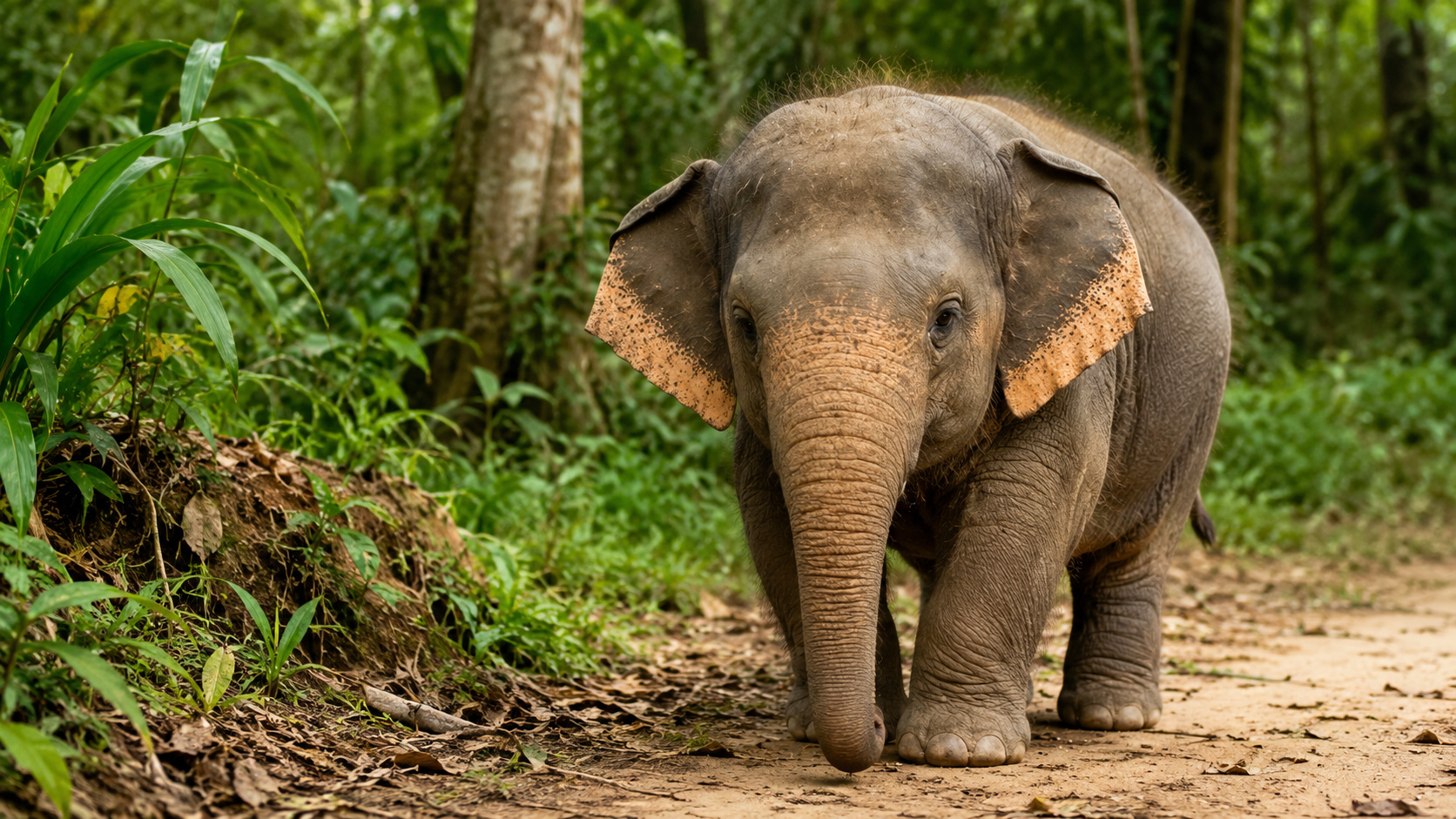
It looks like a baby, but it’s an adult: meet the Bornean pygmy elephant, the smallest elephant in the world threatened by habitat loss.
Chemical Engineering and Recirculation Systems Make Aquaculture Possible


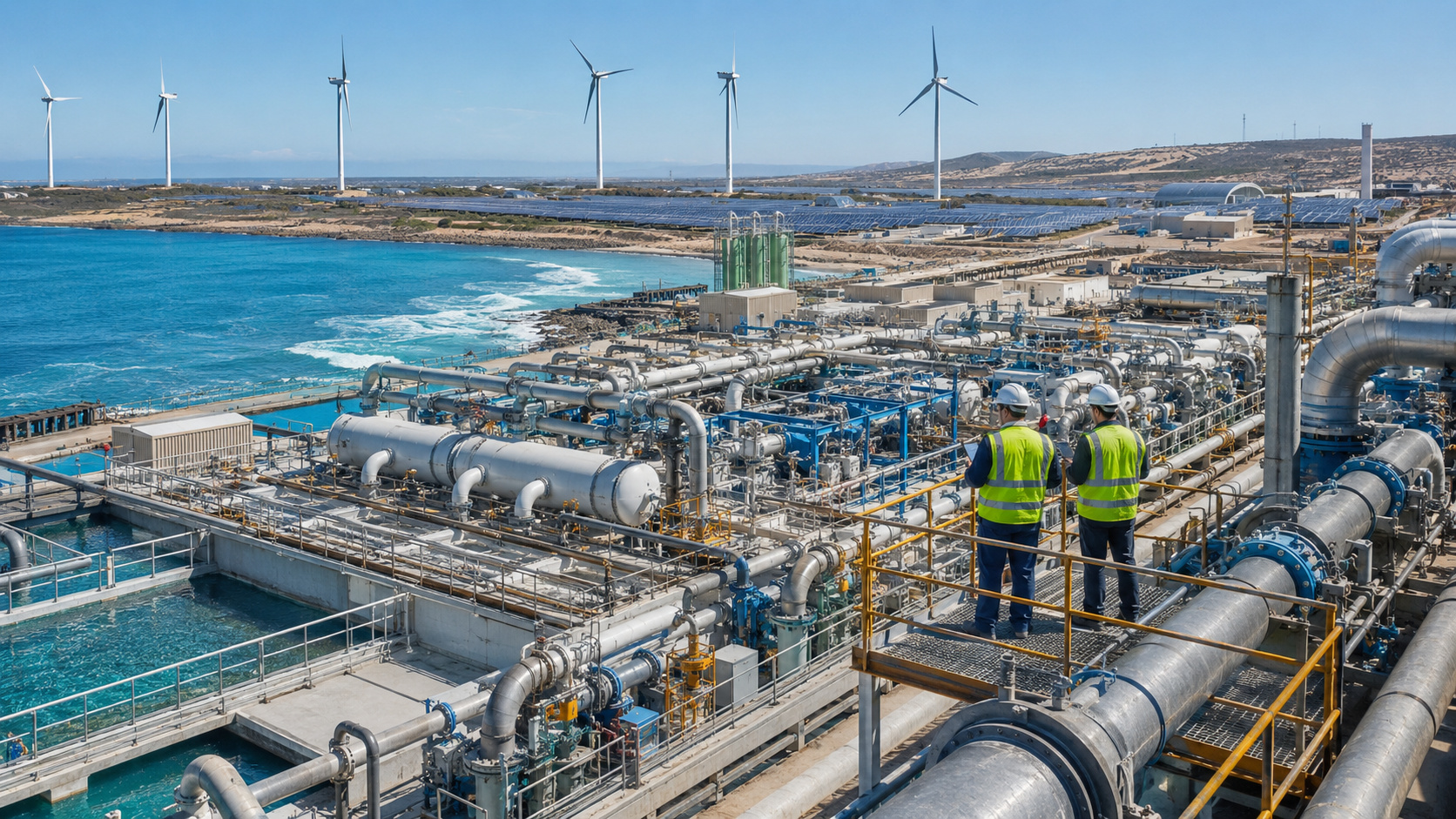
The challenge, however, goes far beyond simple irrigation. The soil of the Taklamakan features a high concentration of salt and alkali, making conventional agriculture unfeasible. Therefore, Chinese engineers developed highly sophisticated water recirculation systems aimed at intensive aquaculture.
First, the team extracts water from underground saline aquifers. Then, they perform chemical treatment to accurately replicate the composition of seawater. By carefully adjusting the pH and salinity, the technicians create an ideal environment for marine species such as grouper and mountain shrimp.
Moreover, the systems maintain a constant water temperature, even amidst the typical extreme variations of the desert. This combination of advanced chemistry and thermal management ensures productive stability.
As a result, in 2024, the aquaculture production of the Xinjiang region reached an impressive 196,500 tons. This number represents an industrial milestone that reinforces China’s technological capacity to adapt extreme environments for productive purposes.
National Strategy Seeks Food Self-Sufficiency and Reduction of Imports
China’s persistence with this project is not by chance. On the contrary, it is a long-term strategy aimed at food self-sufficiency. By reducing dependence on seafood imports and high-seas fishing, the country strengthens its food security.
The plan includes the creation of a true artificial “inland sea.” To achieve this, producers take advantage of the melting glaciers from nearby mountains, which feed the Tarim Basin. Although the water resource is limited, it provides a relatively constant flow.
Thus, production meets local population needs without requiring transportation of fish from the Chinese east coast, reducing logistical costs and emissions.
However, experts raise relevant concerns. The Taklamakan Desert receives less than 100 mm of rain per year, while evaporation is extremely high. Therefore, maintaining the ponds requires continuous pumping from slowly replenishing underground reservoirs.
As a result, the long-term viability is still a topic of debate. If the model proves sustainable and replicable, it could usher in a new era in the global agri-food industry. Otherwise, the risk of water depletion may jeopardize the experiment.
Meanwhile, Xinjiang remains an open-air laboratory. More than just producing fish, the project tests the limits of environmental engineering and technological innovation. At stake is the idea that, with knowledge and investment, even a desert can generate life.
Do you believe that technology can transform extreme environments without compromising natural resources?







-

-

-

8 people reacted to this.