Portuguese
  Spanish


China Boosts Its Economy by Transforming Old Mandarin Peels into a Valuable Market, with Applications in Traditional Medicine, Luxury Gastronomy, and Sustainable Tourism.
China continues to surprise the world with its ability to transform natural resources into valuable economic opportunities. Now, a new phenomenon has gained traction in the Chinese economy: old mandarin peels.
What was once considered a useless waste has become one of the most sought-after products in the luxury market and traditional medicine. This phenomenon not only reinforces China’s economic growth but also highlights the importance of sustainability in modern industry.
Economic Growth Driven by Old Mandarin Peels
China’s economy has experienced unprecedented growth, and one of the sectors that has stood out the most is the appreciation of natural products.
-
Entrepreneur Turns Rio Cemetery Canteen into a Successful Snack Chain Generating $4.9 Million Annually and Expanding to Metro Stations

-
Rare fox feared “extinct” found alive on Caribbean island after over two decades without official sightings

-
21-Year-Old Brazilian Student Turns Homemade Popsicle Hobby into $100,000-a-Month Business

-
Australia Dumps Hundreds of Thousands of Tons of Gravel into Rivers to Restore Natural Barriers and Reverse 150 Years of Erosion





The district of Xinhui, located in Guangdong Province, has become the center of the old mandarin peel industry.
Known as chenpi, these peels undergo a rigorous drying and aging process that can last for decades.
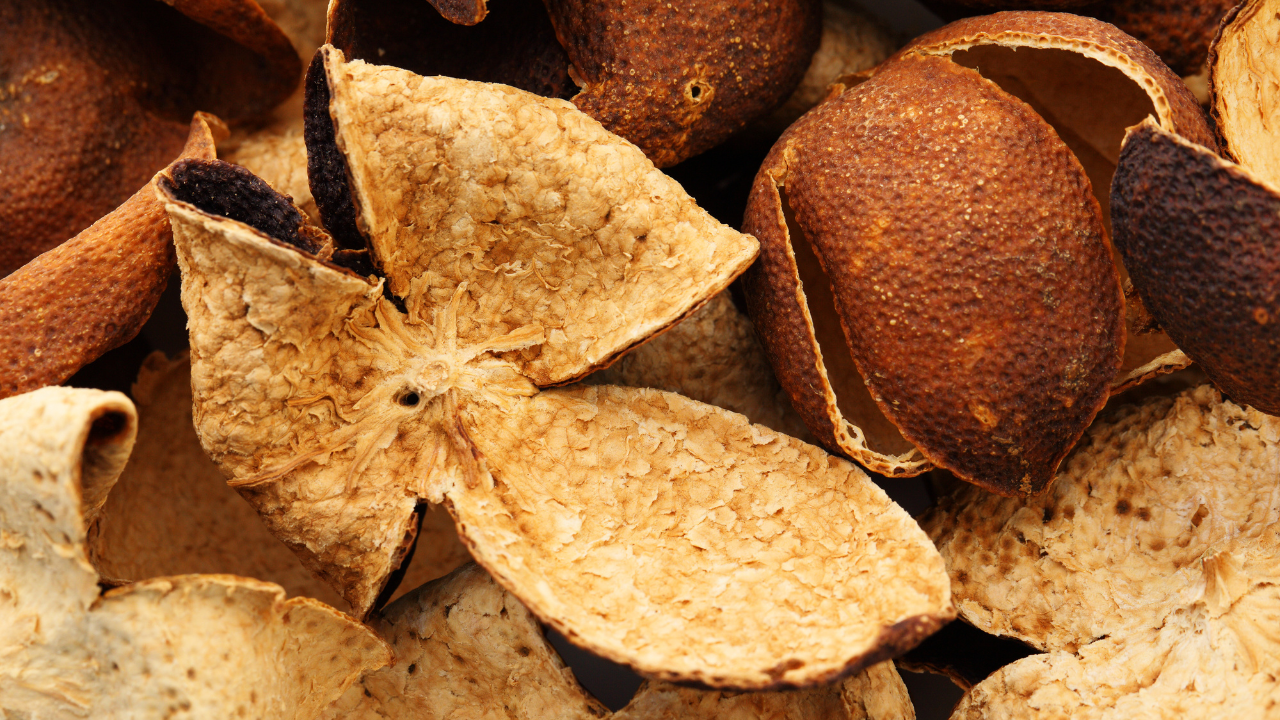
The local economy has been profoundly impacted by the trade of this product, which generated approximately 23 billion yuan (3.2 billion dollars) in 2023.
The growth of this market demonstrates how China has managed to leverage resources that, at first glance, could be considered of little value.
The transformation of old mandarin peels into a high-value item adds a new chapter to the history of the Chinese economy, solidifying the country as a leader in natural product innovation.
The Medicinal Value of Old Mandarin Peels
One of the factors driving the high demand for old mandarin peels in China is their use in traditional medicine.
According to CNN, chenpi has been used since the Song dynasty (1127–1279) due to its therapeutic properties.
Studies indicate that Citri Reticulatae Pericarpium, the scientific name for chenpi, contains antioxidants and flavonoids that aid in stabilizing blood pressure, boosting the immune system, and preventing obesity.
With the growing appreciation for natural health and traditional Chinese medicine, old mandarin peels have become an essential ingredient in both the production of medicinal teas and the formulation of nutritional supplements.
The Use of Old Mandarin Peels in Fine Gastronomy
In addition to their medicinal application, old mandarin peels have also found a place in fine gastronomy.
The renowned chef Li Chi Wai, from The Legacy House restaurant in Hong Kong, has been exploring the potential of this ingredient in sophisticated cuisine.
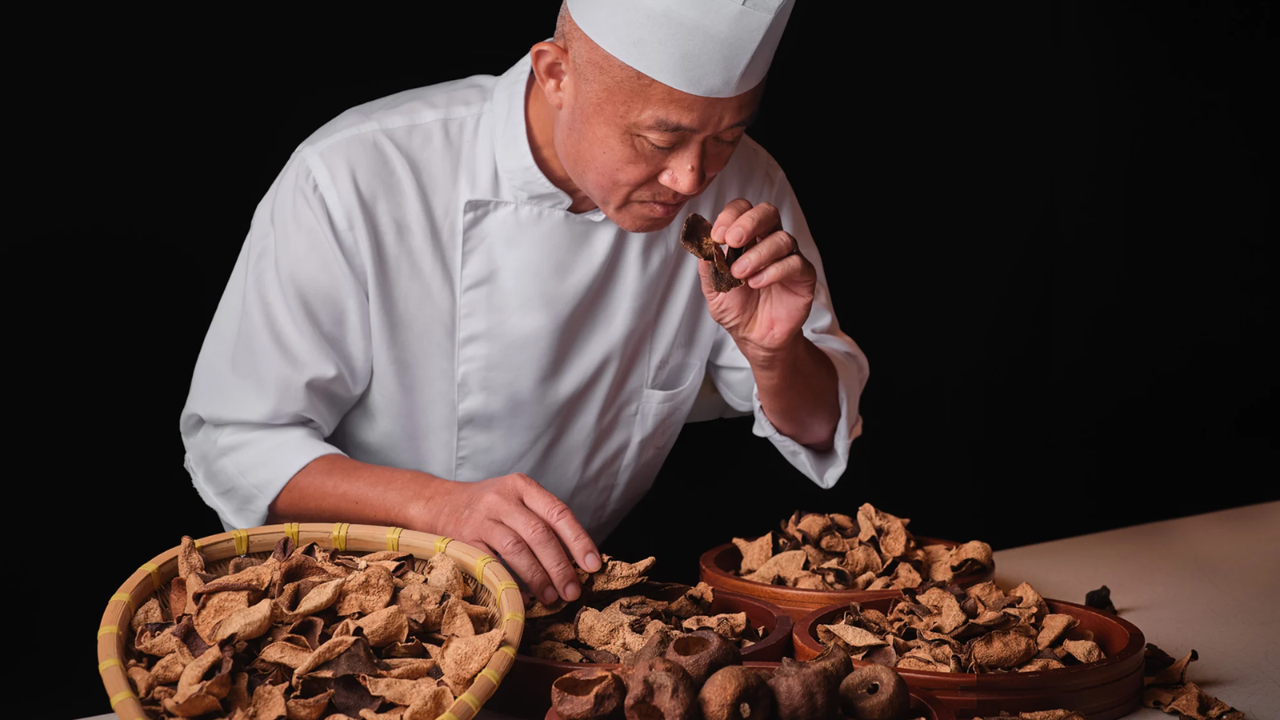
His menu includes dishes such as fish maw soup with chenpi aged over 50 years and grouper fillet stewed with six-year-old peel, highlighting the unique flavors of this special ingredient.
This rise of old mandarin peels in luxury gastronomy underscores the economic impact of this market.
Elite restaurants and renowned chefs in China are driving demand for aged chenpi, further raising its value in the international market.
The Production and Classification Process of the Peels
The production of old mandarin peels in Xinhui follows a strict aging process.
For chenpi to be considered high quality, it must be sun-dried annually for at least three years before it can be sold.
Additionally, the peels are classified into four main categories based on the time of harvest:
- Green Peels – harvested before maturity;
- Second Red Mandarin – harvested in November;
- Large Red Peels – fully ripe, harvested in December;
- Post-Winter Red Peels – harvested after winter, with higher sugar content.
This rigorous classification and aging process has contributed to the economic appreciation of the product, making old mandarin peels a true treasure for China’s economy.
The Impact of the Industry on Tourism and Local Culture
With the growing popularity of old mandarin peels, Xinhui has become an important tourist destination in China.
Chenpi Village, a cultural and tourist center dedicated to this product, attracts thousands of visitors every year.
At the site, tourists can learn about the history of chenpi production, taste delicacies made with the ingredient, and purchase exclusive products.
This new economic dynamic further strengthens China’s economy, boosting sectors such as tourism, manufacturing, and exports.
With initiatives like Chenpi Village, China demonstrates its ability to transform local resources into engines of sustainable economic growth.
China’s economy continues to expand in surprising ways, and the appreciation of old mandarin peels is a perfect example of this.
The market for chenpi not only boosts the local economy of Xinhui but also strengthens China’s position in the global trade of natural products.
With applications in traditional medicine, luxury gastronomy, and the tourism industry, old mandarin peels have transformed from waste into true economic “gold.”