






 Portuguese
  Spanish


China Dominates The Global Electric Car Market, But The Best-Selling Model In The Country Surprises: It Is Not Chinese. Discover Which Car Is Captivating The Chinese.
In 2024, China continued its impressive expansion in the global electric car market, exporting about 1.28 million units to various countries around the world.
This number represents a growth of 6.7% compared to the previous year, further consolidating the country as the largest exporter of electric cars on the planet.
-
Chinese Giant Invests $1.3 Billion in Brazil to Produce 50,000 Cars Annually, Create Jobs, Develop Local Suppliers, and Manufacture Electric, Hybrid, and Combustion Models by 2027

-
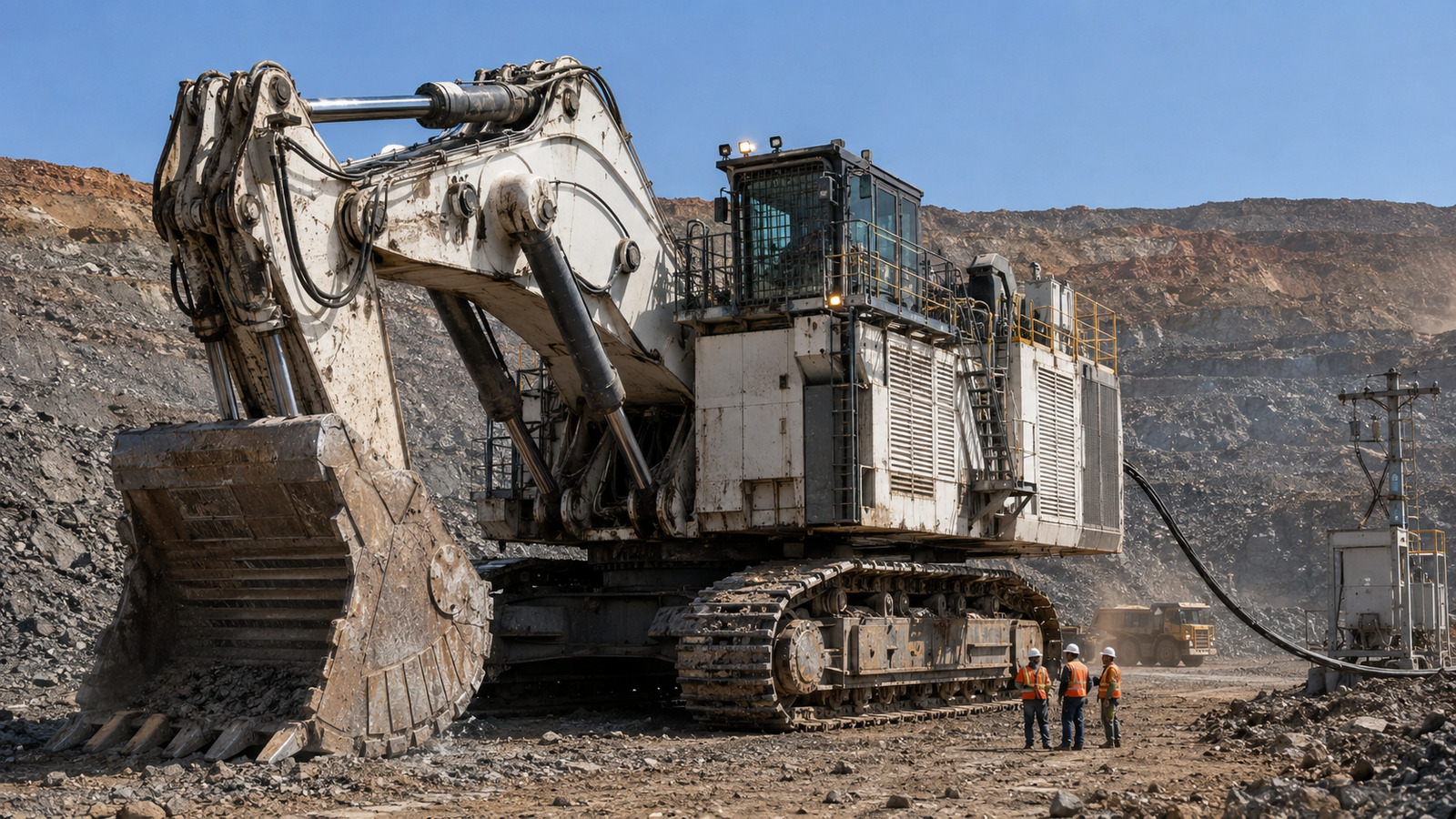
Unprecedented achievement in India: a colossal 650-ton, nearly 3,000 hp excavator is transformed into 100% electric, marking a new phase in heavy mining.
-
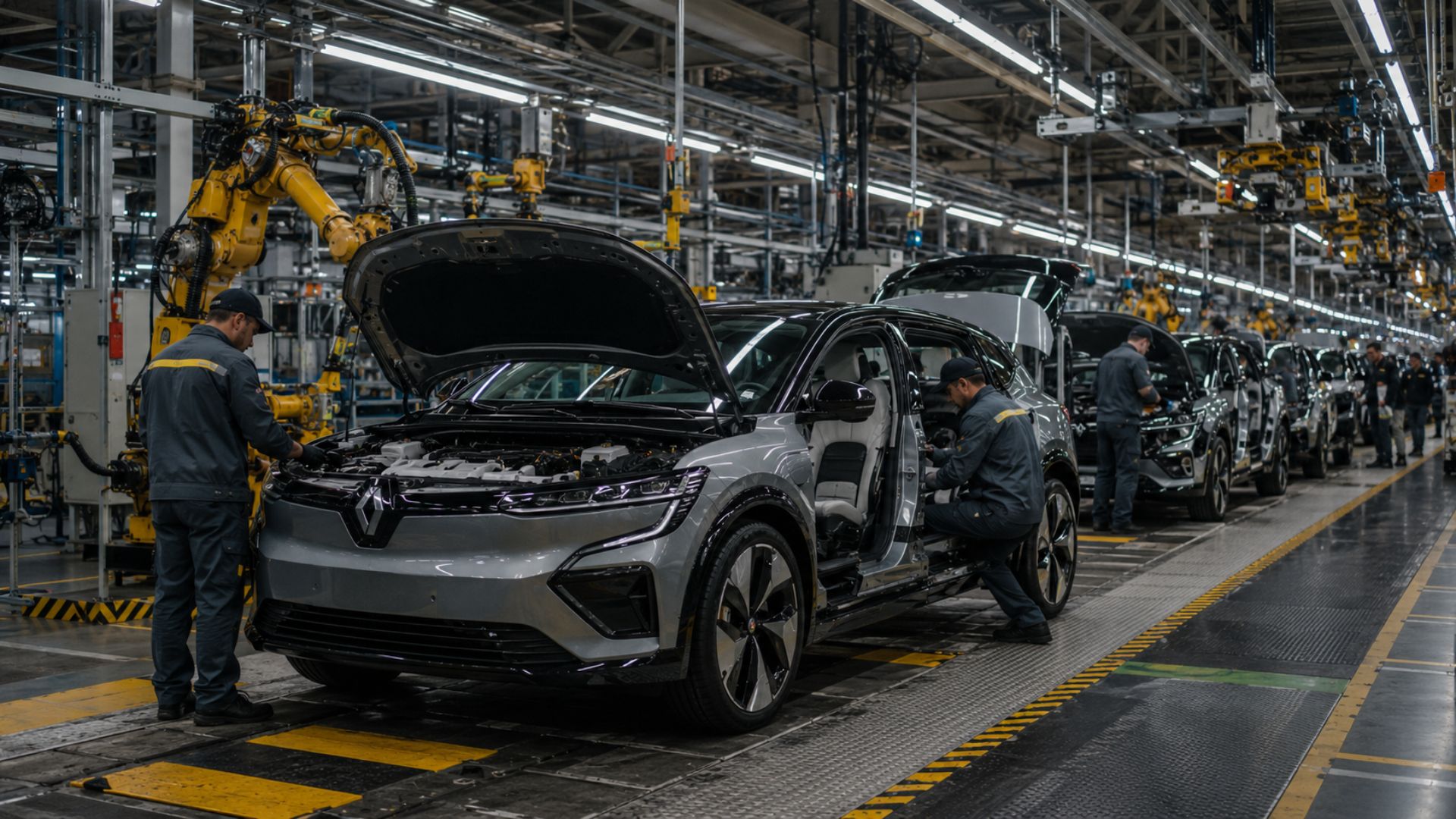
Frightened by the speed of Chinese manufacturers, Renault decided to mimic the pace, made the new electric Twingo in just 21 months, wants to repeat the feat with 36 models by 2030, and along the way, will cut up to 2,400 engineering positions.

-
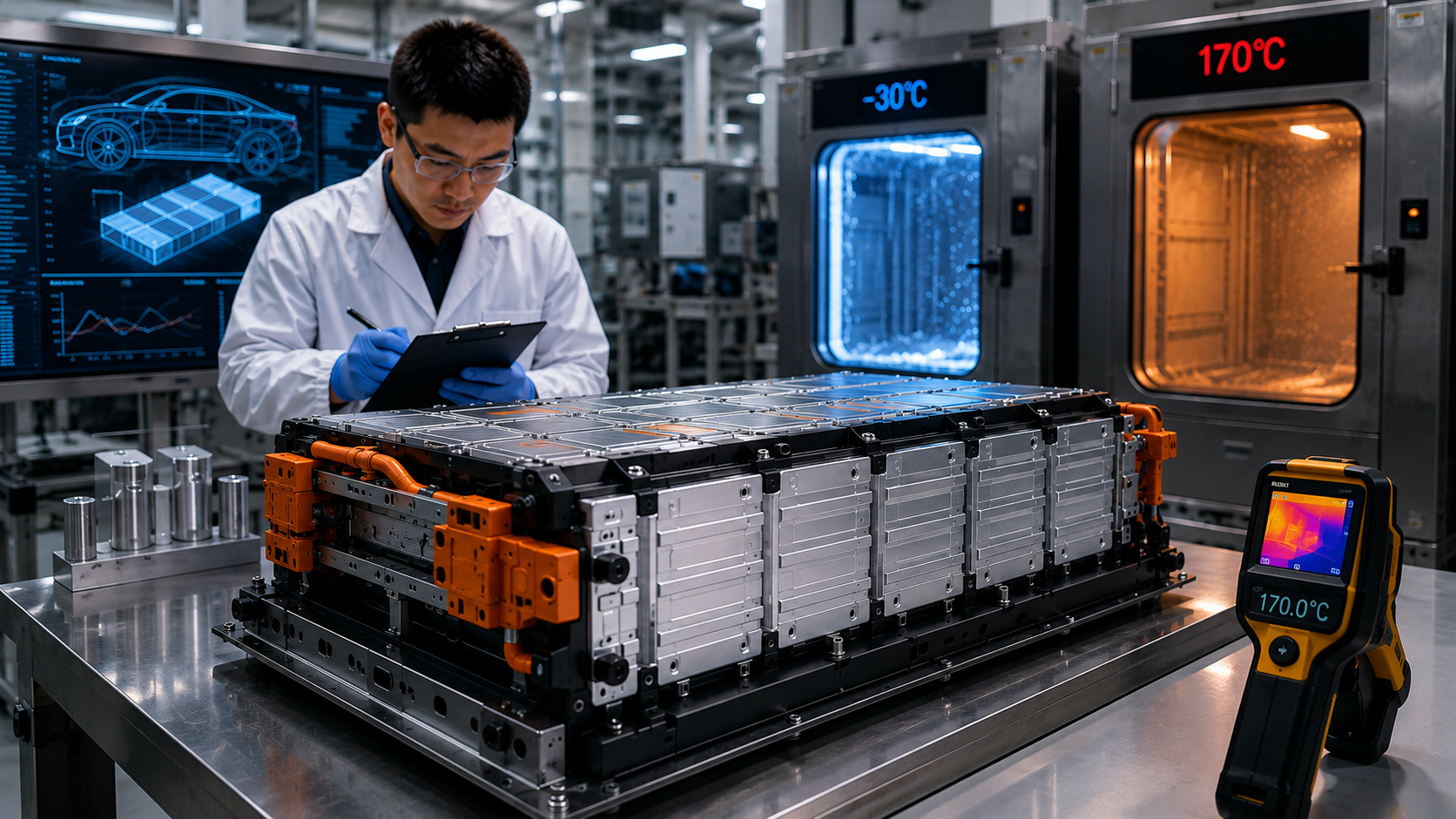
Chinese battery from Dongfeng promises to exceed 1,000 km without relying on liquid electrolyte, and the detail behind the technology could change the electric car competition.

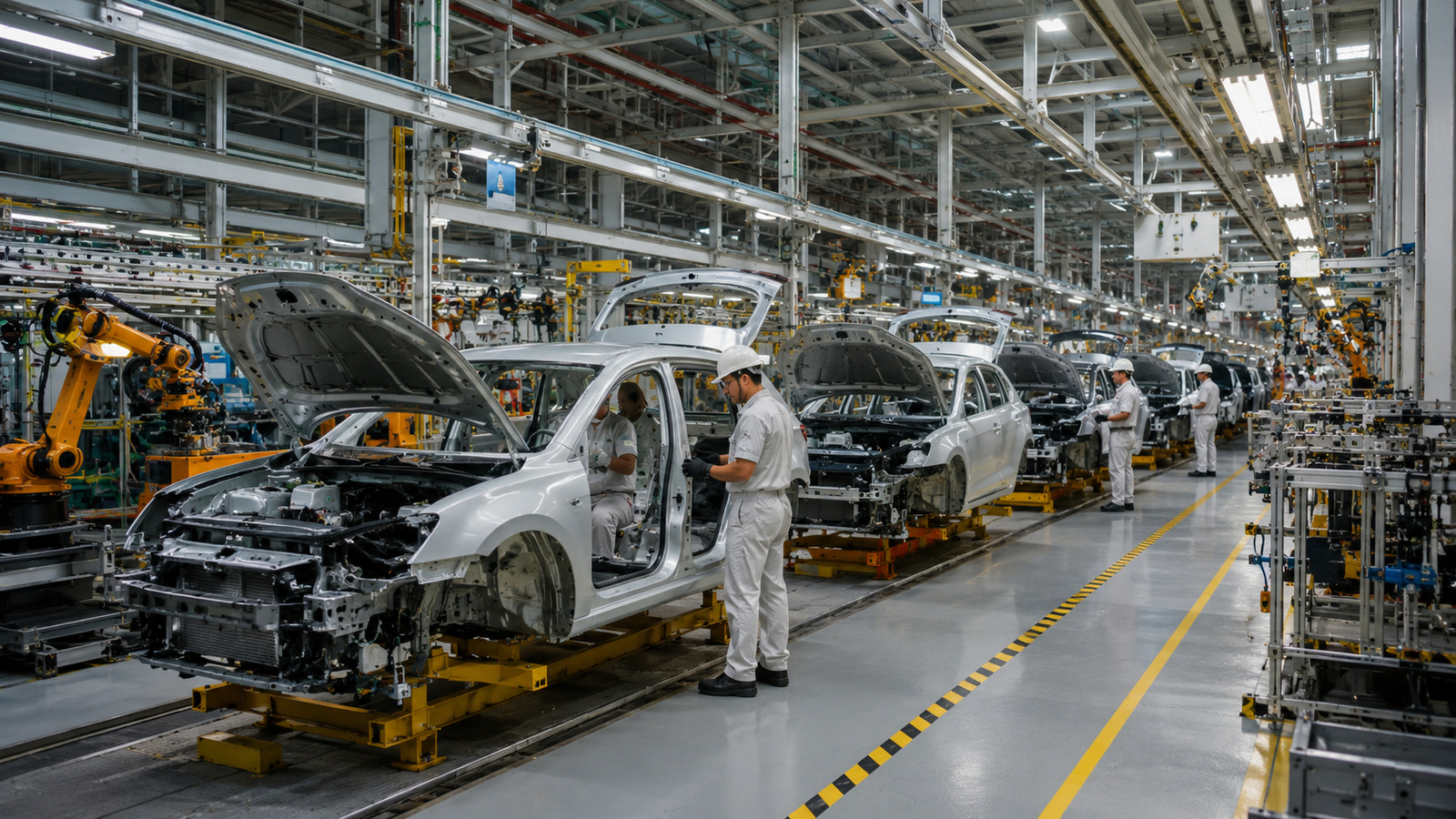
With a combination of advanced technology, competitive pricing, and strong production capacity, Chinese automakers have been capturing markets in Europe, Latin America, and even in the United States, where competition is fierce.
China, the global epicenter of the electric car revolution, saw a record in 2024. Over 31 million cars were sold in the country, with a large share of these being electric car models.
The Best-Selling Electric Car In China Is Not Chinese
The highlight, however, was a vehicle that, curiously, is not Chinese. The Tesla Model Y dominated sales, surpassing rapidly growing local competitors.
From January to December 2024, Tesla sold 480,309 units of the Model Y in China. This number represents a growth of 5.24% compared to the previous year, when 456,394 units were sold.
The result is striking, especially because, in other regions of the world, the model lost ground in the market due to the wait for its update, known as Project Juniper, which was released this year.
Local Competition And Future Challenges
While the Model Y remains the leader in China, sales have dropped significantly in countries like Norway and Iceland.
In Norway, the drop was 27%, while in Iceland, the decline reached 87%. Luxembourg also saw a 31% decline.
The reason for this loss of interest is the lack of significant innovations since its launch in 2019, causing the model to lose steam against more modern competitors.
Despite the global decline, Tesla remains firmly at the top of global sales. BYD, the Chinese company, narrowly missed surpassing the American brand in global sales volume.
The difference was just a few tens of thousands of units. In December 2024, Tesla achieved one of its best months, selling 61,881 units of the Model Y, which represented the third highest record in its history in China, behind only November 2022, with 69,098 units, and August of the same year, with 62,169 units.
The new version of the electric car Model Y may help Tesla maintain its leadership in 2025. The launch of the updated model in China generated great excitement, accumulating over 50,000 reservations in the first 24 hours. This happened even with a slight increase in prices compared to the previous version.
However, the mechanical changes were smaller than expected, raising doubts about the ability to maintain consumer interest in the long term.
The local competition is becoming increasingly aggressive. Chinese brands like NIO, XPeng, and BYD are heavily investing in new technologies, innovative design, and competitive pricing. These advancements put pressure on Tesla, which needs to constantly reinvent itself to avoid losing ground in such a dynamic market.
Gigafactory In Shanghai
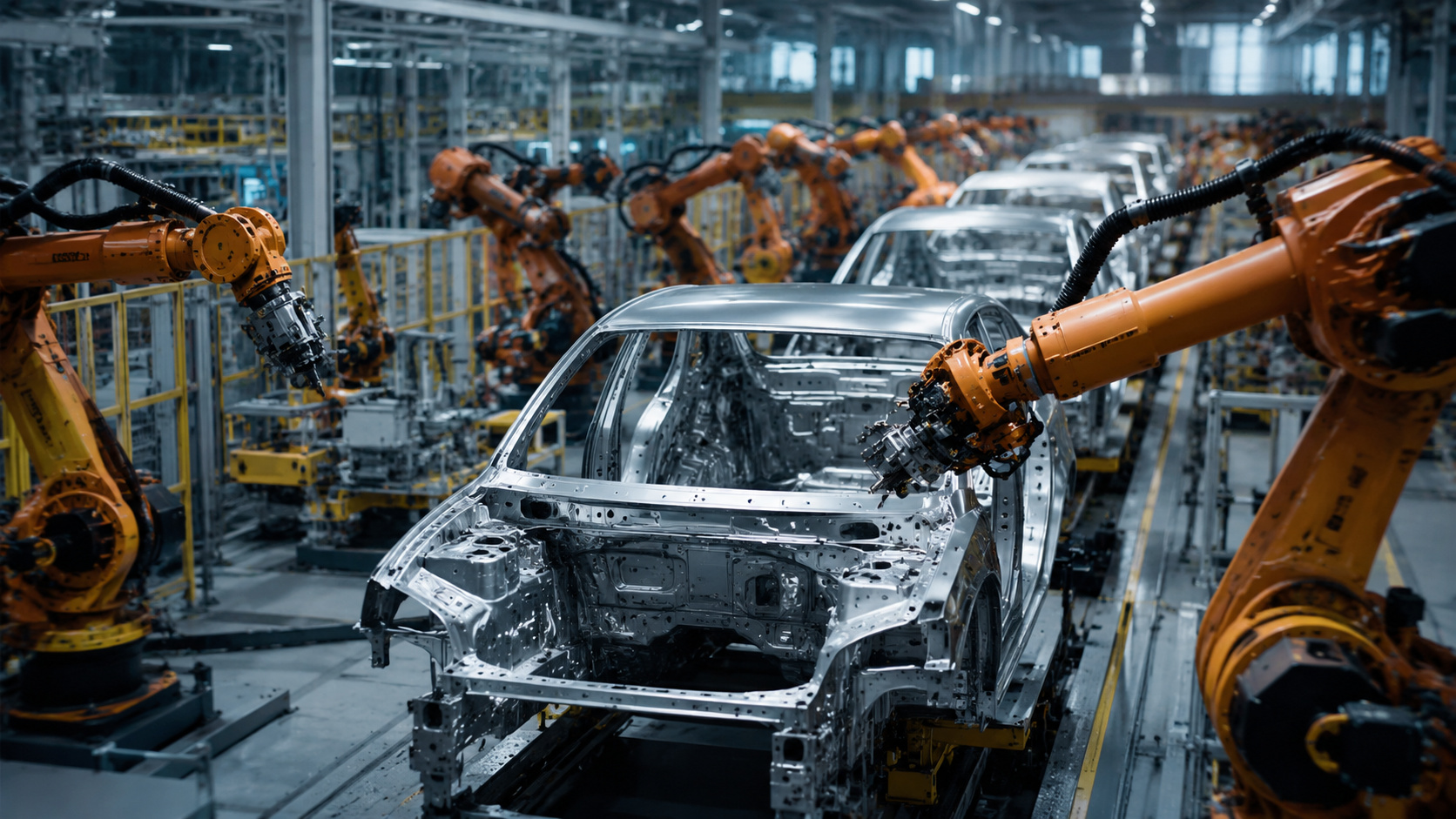
In terms of electric car production, the Gigafactory in Shanghai has been fundamental to the success of the Model Y in China.
The facility manufactures electric cars for the domestic market and for export, consolidating China as a strategic hub for Tesla.
The efficiency of production and proximity to local suppliers are factors that have helped the company maintain its competitiveness in the country.
Automotive industry analysts believe that Tesla’s growth in China will continue to be strong, but the company will need to innovate more quickly to face local automakers.
The introduction of more affordable models or new advanced features could be key to holding off the competition.
The next market assessment in 2025 will indicate whether the Model Y can maintain its prominent position in China and worldwide. The challenge is great, but Tesla has shown adaptability in the face of new dynamics in the automotive sector.







Muito contraditório diga-se de passagem. O que vejo, os Chineses assim como boa parte do mundo, gostam dos produtos norte americanos por causa do padrão de qualidade.
A fábrica não é de ORIGEM chinesa, mas é localizada na China…
Falta deixar bem claro isso!
..