Portuguese
  Spanish




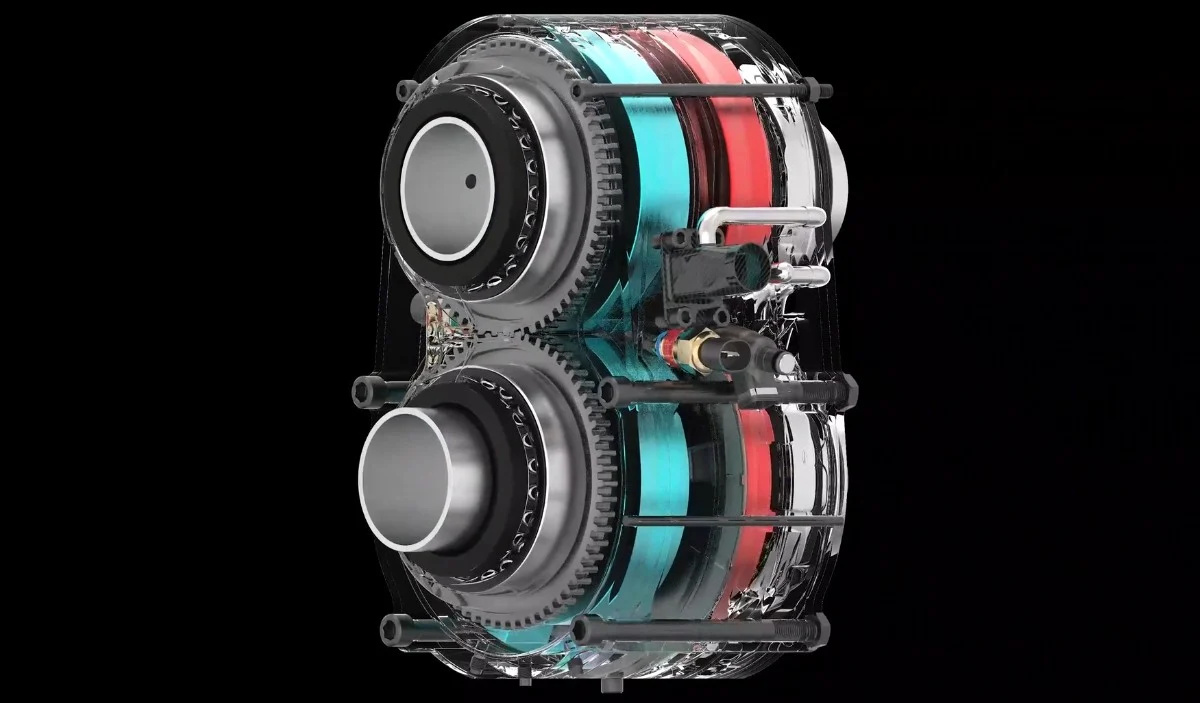
The Chinese GAC Is Betting Big on Its Entry Into Brazil With the Development of a New Flex Hybrid Engine in Brazil. As Part of a Total Investment of US$ 1 Billion (Approximately R$ 5.99 Billion), the Automotive Giant Announced That It Will Dedicate R$ 120 Million to Boost Innovative Technologies Through a Partnership With Brazilian Universities. The Goal? Establish Itself as a Reference in the Market and Offer More Sustainable and Adapted Solutions to the Local Consumer.
The Announcement, Made by Wei Haigang, President of GAC International, Includes Collaborations With the Federal University of Santa Catarina (UFSC), Federal University of Santa Maria (UFSM), and State University of Campinas (Unicamp). Together, These Institutions Will Work on the Development of the New Flex Hybrid Engine in Brazil, a Crucial Step in GAC’s Strategy to Expand Its Operations in the Country.
Factory and Dealership Network on the Way
Although It Has Yet to Define the Location of Its Future Factory for the New Engine, GAC Plans to Start Assembling Imported Vehicles in CKD Mode Before Establishing a Full Production Line in Brazil. The Estimate is That the Process Will Be Completed in the Next Five Years. In the Meantime, the Brand Has Already Confirmed the Creation of an Initial Network of 20 Dealerships, Located in Capitals Such as São Paulo, Brasília, and Rio de Janeiro. By 2030, this number is expected to jump to 50 Sales Outlets.
GAC’s Presence in Brazil Also Includes a Robust Portfolio of Launches. The First Models to Arrive Will Be Hybrid, Electric, and Combustion, With an Average of Five New Vehicles per Year. Among the Highlights is the Aion Y Plus, an Electric SUV With an Impressive Range of 610 km, and the GS3 Emzoom, a Compact With a Turbo Engine.
-
Suitcase-sized hydrogen engine spins at 25,000 rpm, nearly doubling the efficiency of conventional cars and replacing exhaust smoke with water vapor

-
1983 Chevrolet Runs Over 100,000 km Without Gasoline, Powered by Wood Chips, Reaches 125 km/h in Airport Test

-
Workshop Converts Giant Tractor Tire Tricycle into a Three-Wheel Drive Hybrid with 36,000-Watt Electric Motor Capable of Climbing Hills

-
Sales of Brazil’s Cheapest Electric Car Halted Before First Deliveries: E-Motors Suspends Emova Easy Due to Import Tax Increase and Rising Freight Costs




Besides the New Engine, Why Invest in Brazil?

Brazil Represents a Strategic Opportunity for the Chinese GAC, Especially Due to the Growing Interest in Sustainable Technologies and the Market for Flex Hybrid Engines. Although the Company is Arriving Later Than Competitors Such as BYD and GWM, the Promise of Local Production and Focus on Research and Development Differentiate the Brand. The Goal is Clear: Position Itself as the First Chinese Automaker to Offer a Complete Production Line in the Country, Reinforced by the Creation of the New Flex Hybrid Engine in Brazil.
The Brazilian Market is Seen as a Fertile Ground for the Implementation of New Technologies, Especially in Flexible Engines That Allow Adaptation to Ethanol, a Solution Aligned With the Local Energy Matrix. The Partnership With Brazilian Universities Reflects the Company’s Commitment to Fostering Innovation and Generating a Positive Impact on the Market.
The Future of GAC in Brazil
The Chinese GAC Is Determined to Become a Relevant Name in the Country, Even Facing Challenges Such as Defining Its Brand Name and Choosing the Location for the Factory. With Models Already Spotted on Brazilian Streets and Operations Set to Begin in Early 2024, the Company Seems Well Positioned to Compete With Rivals and Attract Brazilian Consumers.
With the Launch of the New Flex Hybrid Engine in Brazil, GAC Not Only Signals Its Intention to Compete but Also to Lead Technological Innovation in the Automotive Sector. For Consumers, This Means More Sustainable and Accessible Options in the Coming Years, in a Market That Only Tends to Grow.