Portuguese
  Spanish



The Electric Vehicle Sector Is Expanding Quickly and Chinese Giant Xiaomi Does Not Want to Miss Out. The Company Announced It Is Building a New Electric Vehicle Factory With an Annual Capacity to Produce 300 Thousand Units
After Strongly Investing in Smartphones and Electronics, Chinese Xiaomi Seems to Be Focusing on Different Areas. The Electric Vehicle Sector Appears to Be the Most Desired Market and New Investments Seem to Be in the Near Future. While Much of It May Be Rumors That Are Still Far from Being True, the Story Is Different for Xiaomi. The Brand Has Already Confirmed Its Intent and Now There Is More Data Regarding the Future of the Factory Where the Electric Vehicles Will Be Produced and Assembled.
Read Also
Chinese Factory Will Produce 300 Thousand Electric Vehicles Per Year
Xiaomi Is One of the Most Recent Companies to Confirm Its Future Presence in the Electric Market. The Chinese Projects Are Starting to Take Shape. New Information Has Brought Forth More Data About the Factory Where the Electric Vehicles Will Be Produced and Assembled.
The Plans Show That the New Unit Should Start Production as Early as 2024, Even with Small Phases of Production. What Has Been Revealed Highlights That a New Xiaomi Factory Will Be Built and Will Be Prepared in 2 Distinct Phases.
-
End of an era in Brazil: beloved sedan by Brazilians is discontinued despite having a 2.0 engine with 151 hp, CVT transmission, 466-liter trunk, and up to 650 km of range.

-
New Law Proposal in Brazil Could Heavily Penalize Drivers: Dangerous Overtaking May Become a Serious Offense with Fines Increased Tenfold and a 12-Month License Suspension; Update on 2026 Progress

-
Electric Revolution: Watts W125 Motorcycle Offers 160 km Range, 90 km/h Speed, and Affordable Price Starting at $3,000
-
General Motors Replaces Over a Thousand Workers with 50 Cobots at Electric Vehicle Plant, UAW Union Criticizes Move Amid Industry’s Automation Push
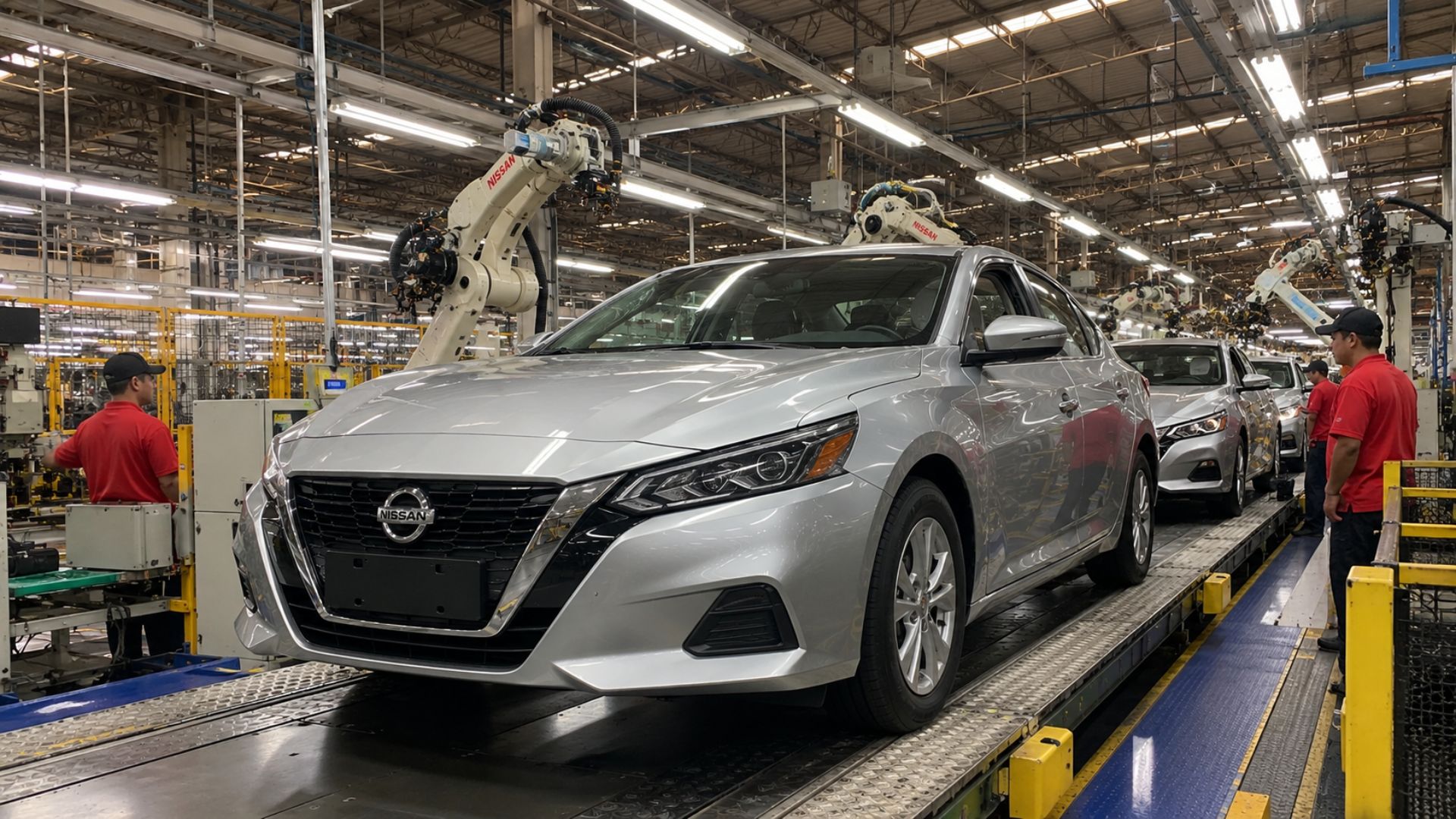


Production, Which Will Start in 2024, Could Reach a Production Level That Prepares 300 Thousand Vehicles Annually. In Addition to the New Electric Vehicle Factory, Chinese Xiaomi Will Also Build Its Entire Management, Sales, and Research Structure at the Same Location. The New Factory Is Expected to Be Built in Beijing; However, There Are Plans for Its Physical Stores to Be Used to Support Sales.
Xiaomi Is Investing 10 Million Dollars to Enter the Electric Market
Now, It Remains to Be Seen How the Chinese Company’s Strategy for Its Future Electric Vehicles Will Be, Its International Expansion, and the Names of the Initial Models If the Factory Is Ever Built.
Xiaomi Has Planned to Make an Investment of US$ 10 Million in the Electric Vehicle Sector Over the Next 10 Years. After Achieving Success in the Smartphone Sector and Even in Other Technology Areas, This Will Be an Important Transition for Xiaomi. The Electric Vehicle Market Is Expanding, and the Chinese Company Plans to Take a Role in This Area as Well.
About Xiaomi
Xiaomi, Founded in 2010, Is a Chinese Multinational in the Electronics Manufacturing and Technology Sector Headquartered in Beijing. The Company Designs, Invests, Manufactures, and Sells Smartphones, Laptops, Headphones, Smartbands, Televisions, and Soon Even Electric Vehicles.
Only in 2014, the Company Sold More Than 60 Million Smartphones, and in the Third Quarter of 2019, According to IDC, Xiaomi Sold Over 32.7 Million Smartphones. Currently, the Company Has More Than 16,911 Employees Distributed Across China, Singapore, Malaysia, India, the Philippines, and Indonesia. In Addition, the Company Holds the Title of the 5th Largest Smartphone Manufacturer.