






 Portuguese
  Spanish
  7 min of reading
  0 comments


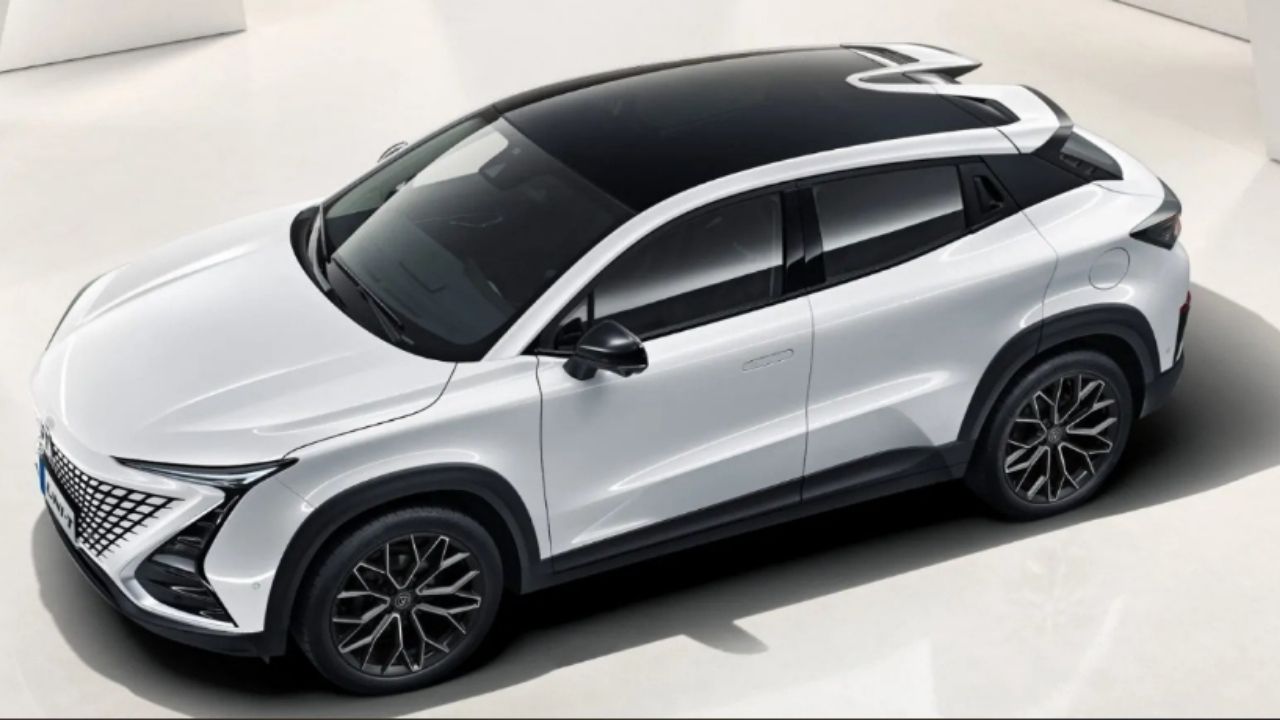
The Chinese SUV sold in Brazil for R$ 175,000 draws attention with its 1.5 turbo flex engine of 180 hp, dual-clutch automated transmission, 20-inch wheels, refined finish, driving assistants, and 425-liter trunk, but the lack of history of the mechanical set requires caution.
The Chinese SUV CAOA Changan Uni-T arrived in Brazil with an aggressive proposal: to deliver a 1.5 turbo flex engine, 180 hp, 20-inch wheels, superior level finish, and a price of R$ 175,000. In the test cited in the source, the model went from 0 to 100 km/h in 7.7 seconds.
The combination impresses because it places the car in a price range close to less powerful compact and medium SUVs. However, the very set that draws attention also raises the main doubt: the engine and transmission are new in the Brazilian market and still do not have a consolidated history of reliability.
Chinese SUV bets on aggressive pricing to gain space
The CAOA Changan Uni-T appears as a Chinese SUV with a clear strategy to impact the market. For R$ 175,000, it offers size, performance, and equipment that usually appear in more expensive models.
-
Driver’s license at 16, driving limit after midnight, and autonomous cars in Brazil: a bill that changes the Traffic Code advances in the Chamber and could transform the routine of young people, drivers, and new technologies on the streets

-
He bought a Toyota for R$ 14,000 in 1990, did all the maintenance himself for 40 years, and the car has already driven over 1.2 million kilometers without stopping, but the odometer only shows 253,000 because there is no space for the digit “1”.

-
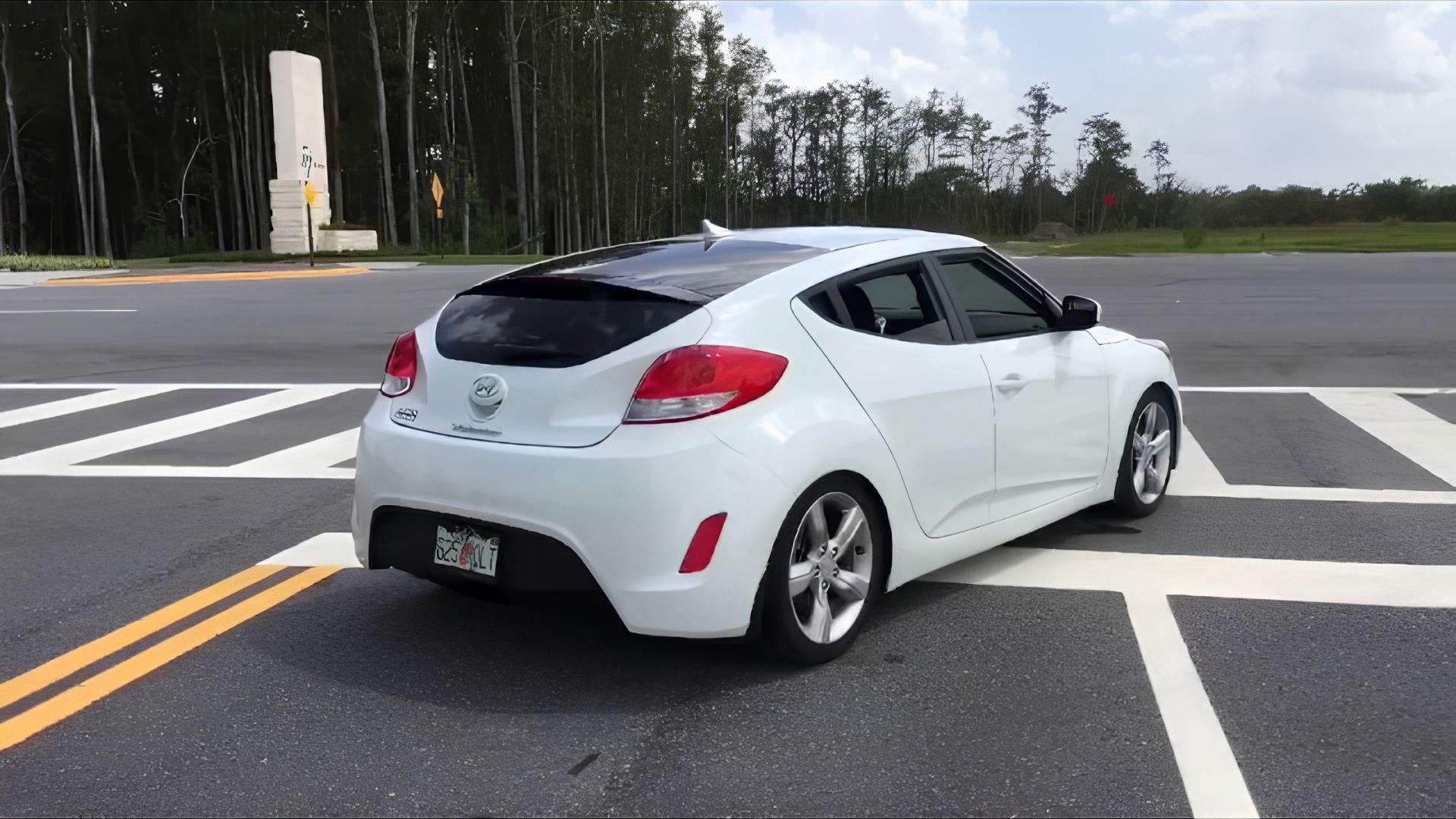
Three doors, concept look, and FIPE value of R$ 62,524: The 2013 Hyundai Veloster delivers a 1.6 engine with 140 hp, a 6-speed automatic transmission, and a design that still seems too strange to go unnoticed.
-
A Land Rover that used to do 1.8 km per liter now does 8 km per liter after a 34-year-old Kenyan engineer installed an ECU he designed himself, which is already being ordered from Zambia, Canada, and Pakistan.

The source compares the price with well-known SUVs in Brazil, indicating that the value approaches versions of Renegade, Nivus, and T-Cross. The attraction point is offering more power, more finish, and more visual presence in the same price range.
This positioning is typical of brands seeking to gain market quickly. By offering a more packed package for a competitive value, the model pressures traditional competitors and attracts consumers looking for cost-benefit.
But competitive pricing doesn’t solve everything. In newly arrived cars, especially with a new mechanical set, the consumer also needs to look at after-sales, parts, assistance, warranty, and engine behavior over time.
1.5 turbo flex engine delivers 180 hp and 29.2 kgfm

The engine is one of the main highlights of the Chinese SUV. The 1.5 turbo flex unit has direct injection, timing chain, and delivers 180 hp with gasoline or ethanol, as well as 29.2 kgfm of torque at 1,500 rpm.
According to the source description, the model is neither hybrid nor plug-in hybrid. The proposal is more straightforward: turbo flex engine, high torque at low rpm, and strong performance for the category.
The power-to-weight ratio also draws attention. With a cited weight of about 1,480 kg, the SUV has approximately 8.2 kg per horsepower, a favorable number for those seeking quick responses.
In practice, this helps explain the performance. In the test shown, the car accelerated from 0 to 100 km/h in 7.7 seconds, even with three people on board and a track described as dirty after rain.
Dual-clutch transmission is a strong point and a point of caution
The Uni-T uses an oil-bathed dual-clutch automated transmission with seven gears. This type of transmission usually seeks quick shifts, efficiency, and better use of the turbo engine’s torque.
In dynamic use, the source describes the car as strong, comfortable, and well-tuned, especially in Sport mode. The set delivers performance, but still does not deliver history.
This is the central point of caution. The engine and transmission are treated as new, with little information available about durability, reliability, and maintenance in prolonged use.
This does not mean the set is bad. It just means that it’s still early to determine if it will be durable in the long term. For many buyers, waiting longer might be a prudent decision before investing in a new car with little-tested mechanics here.
20-inch wheels and design draw attention in the segment
The design is another strong point of the Chinese SUV. The model has a striking front, LED lighting set, and modern design. At the rear, the source highlights the use of LEDs and four real exhaust outlets.
The 20-inch wheels also enhance the car’s presence. They help with the sporty look and contribute to the perception of a more expensive model, especially when compared to similarly priced SUVs.
The design is one of the strongest arguments to attract buyers at first contact. The Uni-T seems to target consumers who want a different SUV, with a bolder appearance and far from the traditional standard of the segment.
At the same time, large wheels can impact tire costs and comfort on poor surfaces. The source, however, describes the suspension as well-tuned and the car as comfortable for urban and highway use.
425-liter trunk and family package

The trunk has 425 liters, with internal finishing and a 12 V socket. Access can be manual, via remote control, or by electronic opening with a sensor, a common feature in more expensive cars.
With the seats folded, the source mentions an expansion of space to about 1,150 liters. There is also a temporary spare tire, in addition to independent suspension and a ground clearance of 18.3 cm.
In practice, the Chinese SUV tries to combine sporty appeal with family use. It offers space, an adequate trunk, a spacious rear seat, and convenience features for daily use.
In the rear seat, there are three-point seat belts, headrests for all, Isofix, and side, curtain, and front airbags. The legroom was described as good, although the headroom is more limited due to the roof design.
Interior finishing is one of the main arguments
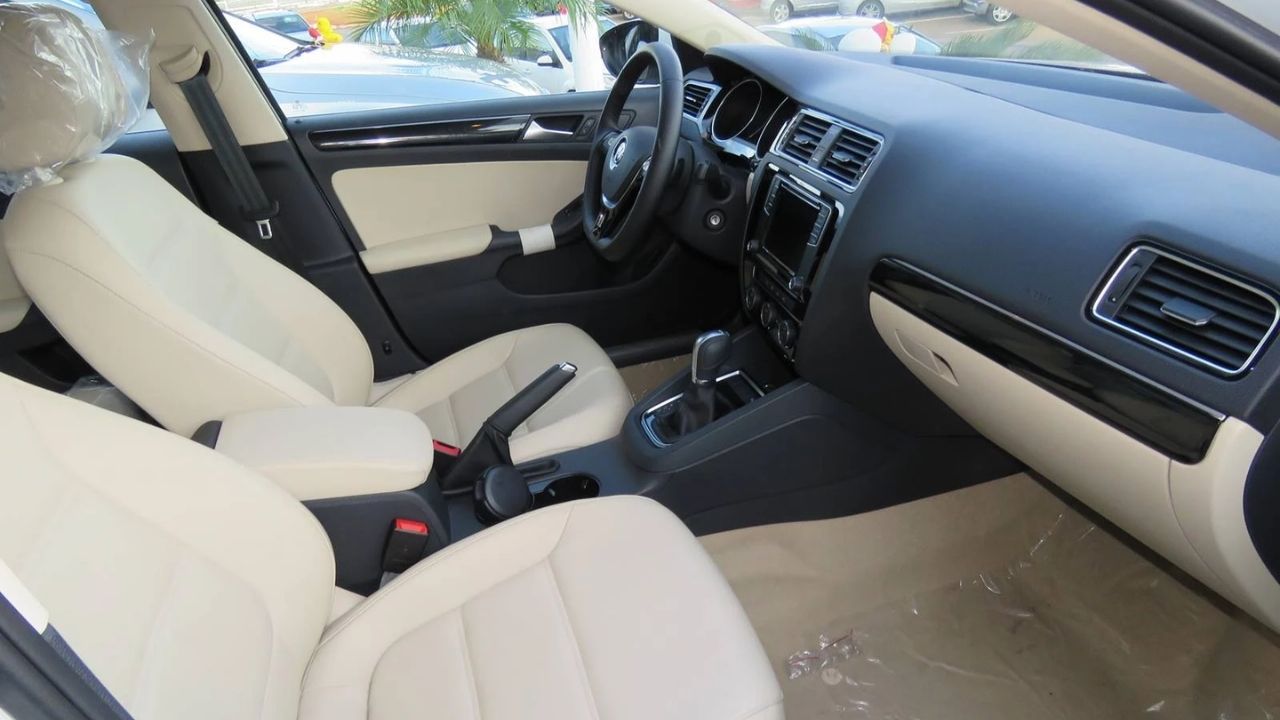
The finishing appears as one of the most praised points. The source highlights the extensive use of soft-touch materials, seats with electric adjustments, heating and cooling, panoramic roof, internal lighting, and good acoustic insulation.
The driver’s seat has electric and lumbar adjustments. The passenger also has electric adjustment, a feature that does not always appear in SUVs of the same price range.
The interior tries to convey a superior category feel. Doors, dashboard, seats, multimedia center, and finishing details were described as well-crafted for the price charged.
There is also an induction charger, a refrigerated storage compartment in the central armrest, dual-zone air conditioning, cabin fragrance, auto-dimming mirror, and driving commands concentrated in the center.
Technology impresses, but excess of screen commands divides opinions

The technology package includes a 360° camera, wireless Android Auto and Apple CarPlay, native GPS, driving assistants, adaptive cruise control, and a system that monitors driver attention.
The model also allows maneuvering the car via remote control in short forward and backward movements, a useful feature in tight parking spaces. This function enhances the car’s technological appeal and reinforces the image of a modern SUV.
On the other hand, many commands are concentrated in the multimedia center. Adjustments for mirrors, headlights, air conditioning, and other functions depend on the screen, which may bother those who prefer physical buttons.
This is an important point for daily use. A complete center impresses in the showroom, but excessively digital controls can be tiring in real driving situations, especially when multiple people use the same car.
Declared consumption in the test is within the expected range for the power

The source cites ethanol consumption of approximately 6 km/l in the city and 9 km/l on the highway. With gasoline, figures appear around 9 to 9.5 km/l in the city and 13.5 km/l on the highway.
For a 180 hp turbo SUV, the numbers are consistent with the performance proposal. The Uni-T does not aim to be the most economical in the category, but it delivers consumption compatible with the power offered.
On the highway, the source mentions revs around 1,900 to 2,000 rpm at 110 km/h, indicating that the transmission can maintain low revs at constant speed.
Even so, actual consumption can vary greatly depending on fuel, traffic, driving mode, weight, tire calibration, and use of comfort features.
The big question is the reliability of the new set


Despite the strong package, the main caveat is the mechanical set. The source states that the engine and transmission are new and that there is still little information available about reliability, even in research outside Brazil.
This is the point that separates enchantment from the purchase decision. The car delivers performance, comfort, technology, and competitive pricing, but still needs to prove durability in real use.
The warranty can reduce some of the concern, but it doesn’t eliminate the discomfort of a possible long stop, lack of parts, or need for assistance. For those who depend on the car every day, this risk weighs heavily.
Therefore, the most balanced conclusion is: the Chinese SUV can be one of the best cost-benefit packages in the category if the engine and transmission prove reliable over time.
Chinese SUV impresses, but requires conscious purchase
The CAOA Changan Uni-T arrives in Brazil with strong arguments: R$ 175 thousand, 1.5 turbo flex engine with 180 hp, 20-inch wheels, 0 to 100 km/h in 7.7 seconds in the test, 425-liter trunk, refined finish, and abundant technology.
The problem is that the mechanical set still needs to build a reputation. The car seems very competitive on paper and at first contact, but confidence will come with time, use, and after-sales service.
For those willing to take a chance on something new, the package is hard to ignore. For those who prioritize predictability, it might make sense to wait for the first years in the market to show how the engine, transmission, parts, and assistance will behave.
And you, would you buy a Chinese SUV with this performance and price now, or would you wait longer to see if the engine and transmission prove reliable in Brazil? Share your opinion.







Be the first to react!