






 Portuguese
  Spanish


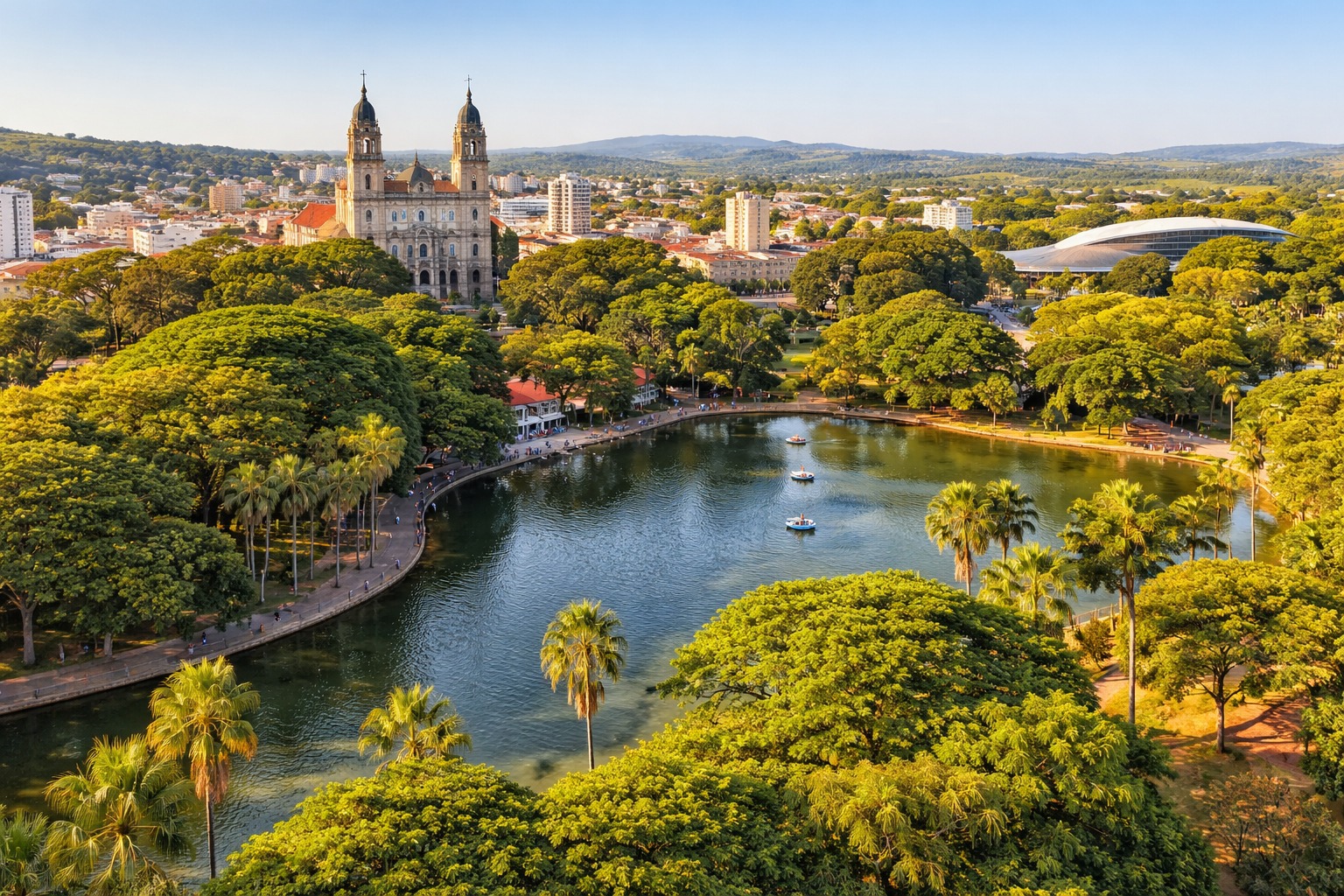


Araras Records 130,866 Residents in the 2022 Census, HDI 0.781 and Per Capita GDP of R$ 76,588.83 While Consolidating Title of City of Trees with 100% Treated Sewage and Federal Campus of 243 Hectares
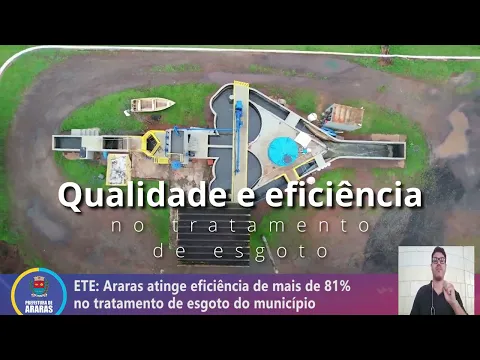
Araras, known as the City of Trees, has 130,866 residents according to the 2022 Census and an estimate of 135,744 for 2025, with an HDI of 0.781 and a per capita GDP of R$ 76,588.83, as well as 100% treated sewage, an indicator that reinforces the urban structure.
The origin of environmental commitment dates back to June 7, 1902, when engineer João Pedro Cardoso organized the 1st Tree Festival of Brazil at the Araras City Council pavilion. The event is considered the country’s first ecological movement.
More than a century later, the municipality preserves wide streets shaded by extensive canopies and maintains a fully treated sewage system, according to the City Council.
-
Entrepreneur Turns Rio Cemetery Canteen into a Successful Snack Chain Generating $4.9 Million Annually and Expanding to Metro Stations

-
Rare fox feared “extinct” found alive on Caribbean island after over two decades without official sightings

-
21-Year-Old Brazilian Student Turns Homemade Popsicle Hobby into $100,000-a-Month Business

-
Australia Dumps Hundreds of Thousands of Tons of Gravel into Rivers to Restore Natural Barriers and Reverse 150 Years of Erosion



The combination of complete sanitation and a diversified economic base supports local growth.
According to IBGE, the HDI of 0.781 places the city in high human development. The per capita GDP reached R$ 76,588.83 in 2023.
School enrollment for children aged 6 to 14 years reaches 99.37%, indicating broad educational coverage.


City of Trees Combines Complete Sanitation and Diversified Economy
The treatment of 100% of sewage places Araras among the few cities in São Paulo with full coverage of the service. This data is cited as one of the factors explaining the interest of families from neighboring municipalities.
The local economy is supported by different sectors. The industrial and agro-industrial presence structures jobs and services, while technology companies expand the range of opportunities.
The multinational Nestlé established its oldest and largest industrial plant in Brazil in Araras in 1921. The unit remains in operation and integrates a chain that involves production and logistics.
The São João Sugar Mill Group, with over 60 years of activity, reinforces the agro-industrial base. Metalworking, furniture, and textile industries also participate in the labor market of the municipality.
Higher Education Occupies 243 Hectares and Expands Regional Influence
The campus of the Federal University of São Carlos has occupied 243 hectares since 1991 and is a reference in agricultural sciences.
The academic structure contributes to professional training and the economic dynamics of the city.
In addition to UFSCar, Araras has the Hermínio Ometto Foundation, the UNAR University Center, and the São Leopoldo Mandic College. The network also includes a SENAI unit, ETEC, and FATEC.
Within an 80 km radius are Unicamp, USP, and Unesp, expanding regional access to higher education. The concentration of institutions solidifies the educational profile of the City of Trees.
Municipal Lake Covers More Than 90,000 m² and Has Been Operating Since 1964
The Dr. Fábio da Silva Prado Municipal Park, known as the Municipal Lake, has more than 90,000 m² and has been in operation since 1964. The space includes a bike path, walking track, pedal boats, and gardens.
The park has become a meeting point on weekends. Children, bicycles, and dogs share the public space in a routine marked by open areas and community interaction.
In the center, the Barão de Araras Square hosts craft fairs and the Coffee and Chocolate Festival. The flat bike paths facilitate everyday commutes and reinforce urban mobility.
Basilica of 1881 and Theater with 466 Seats Mark Architectural Heritage
The Minor Basilica of Our Lady of Patrocínio was inaugurated in 1881. It is a replica of the Archbasilica of St. John Lateran in Rome and features frescoes by Francisco Pavlovic and colored stained glass windows.
In 2010, Pope Benedict XVI elevated the church to the dignity of basilica. The temple is part of the city’s historical set.
The State Theater Maestro Francisco Paulo Russo was designed by Oscar Niemeyer and inaugurated in 1991. The space has 466 seats and an amphitheater in the basement, with regular programming.
The Emílio Silvestre Wolff Cultural House, an old forum and jail, houses more than 300 works in its collection and completes the local cultural circuit.
Strategic Location 170 km from São Paulo via SP-330
Araras is 170 km from the São Paulo capital via the Anhanguera Highway, SP-330, a journey estimated at about 2 hours by car. From Campinas, the distance is 75 km via the same highway.
The city has a municipal airport for general aviation and bus lines to São Paulo, Limeira, Rio Claro, and Piracicaba.
With a tropical mountain climate and defined seasons, the dry winter favors outdoor activities. The journey that began in 1902 remains present in the daily life of the City of Trees, which maintains a consolidated urban infrastructure and a rural pace.
With information from Tupi.FM.





A pessoa que escreveu o artigo está mal informado ou é mal caráter, uma vez que Araras não trata seu esgoto desde 2015.
Parece o Paraíso no Brasil, cidade 100 por cento!? Renda per capita 76.000?
Sou morador daqui da cidade de Araras e não é verdade isso que vocês publicaram que a cidade trata 100 por cento do esgoto, a cidade inclusive já foi multada pelo Cetesb e pelo IBAMA por despejar o esgoto in natura no Rio Mogi.