





 Portuguese
  English
  Spanish
 4 min of reading
  0 comments


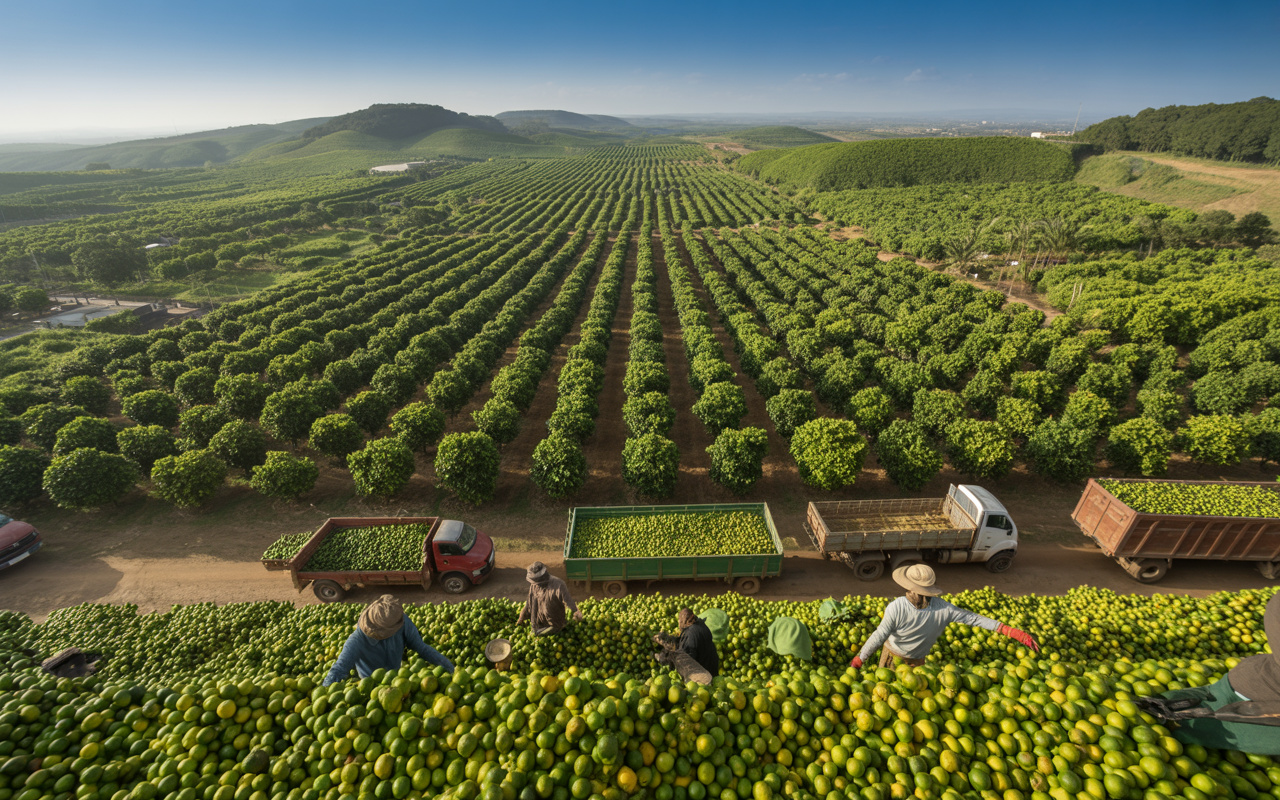
In The Interior Of São Paulo, A City Accounts For Up To 80% Of The Taiti Lemon Produced In Brazil, Harvesting About 900 Thousand Tons Per Year And Has Turned Into A Silent Powerhouse Of National Fruit Culture.
Few people imagine, but far from the capitals and major industrial hubs, there is a municipality in the interior of São Paulo that has transformed into a true axis of Brazilian fruit production. With a modest population and discreet urban area, this city has come to occupy a central role in a market that moves billions of reais, generates thousands of indirect jobs, and influences everything from lemon prices at the supermarket to the country’s agricultural exports.
The prominence did not come by accident. It is the result of decades of productive specialization, technical investment in the field, and a rare combination of climate, soil, and logistics that allowed the transformation of an seemingly simple crop into a strategic cog of the national agribusiness.
The Rise Of A “Lemon Land” In The Interior Of São Paulo
The city in question is Itajobi, located in the northwest of the state of São Paulo. Although little known outside agricultural circles, the municipality has earned the title of Capital of The Taiti Lemon by concentrating an impressive share of the national production of this variety.
-
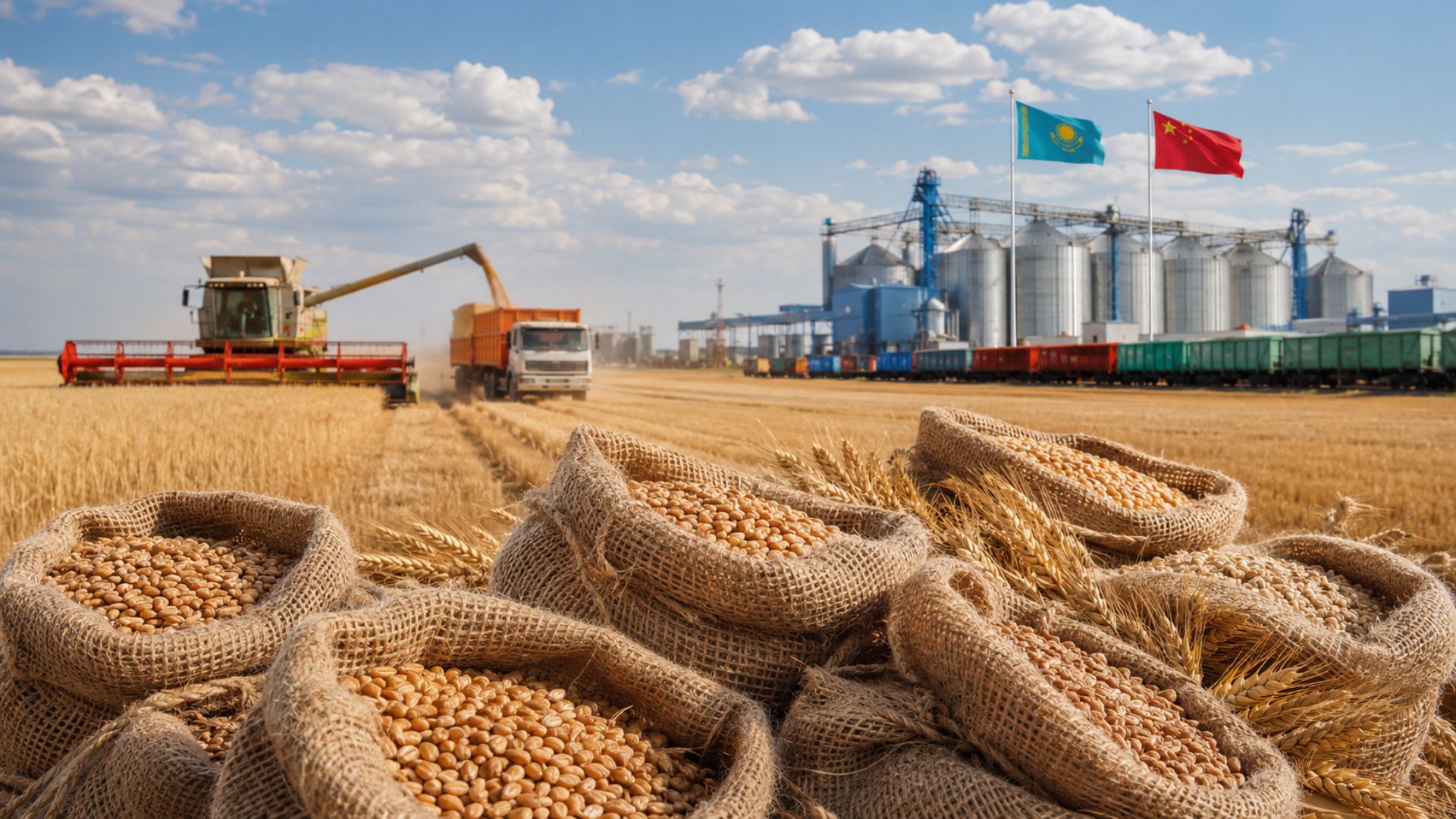
While the world discusses geopolitics, China is quietly closing a deal with its Kazakh neighbor to secure grain supplies during any global food crisis, with more than 3,600 Kazakh companies already able to export directly to the Chinese market.

-
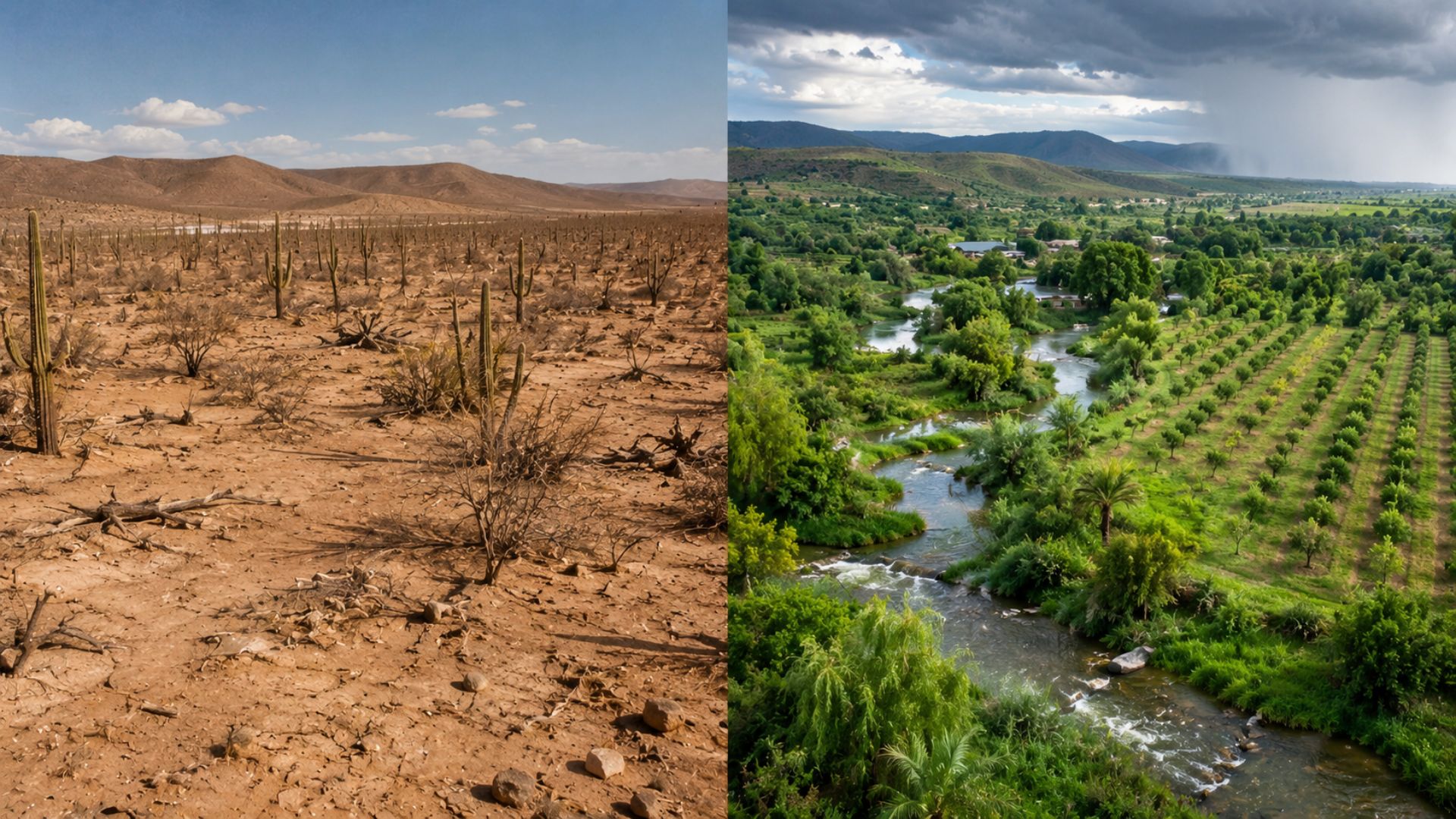
A farm in the Mexican desert has become so green that today it has rivers flowing year-round and even rain in the dry season, all thanks to a technique that transforms dead sand into fertile soil with manure, mountain microorganisms, and what farmers call the secret soil formula.
-
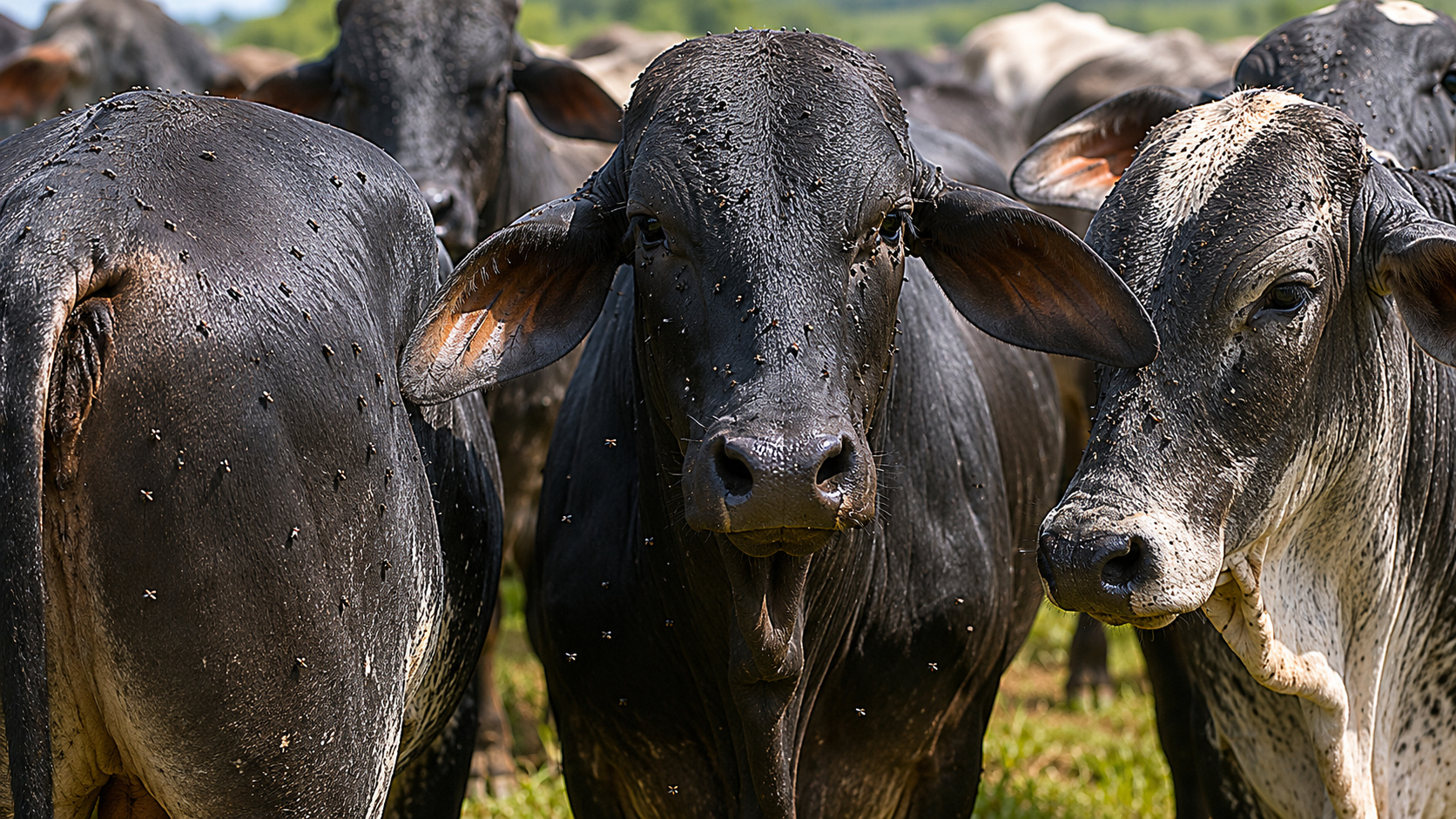
Stable fly infestation frightens producers in Costa Rica, disrupts cattle routine, reduces milk, and puts vinasse at the center of rural controversy.

-
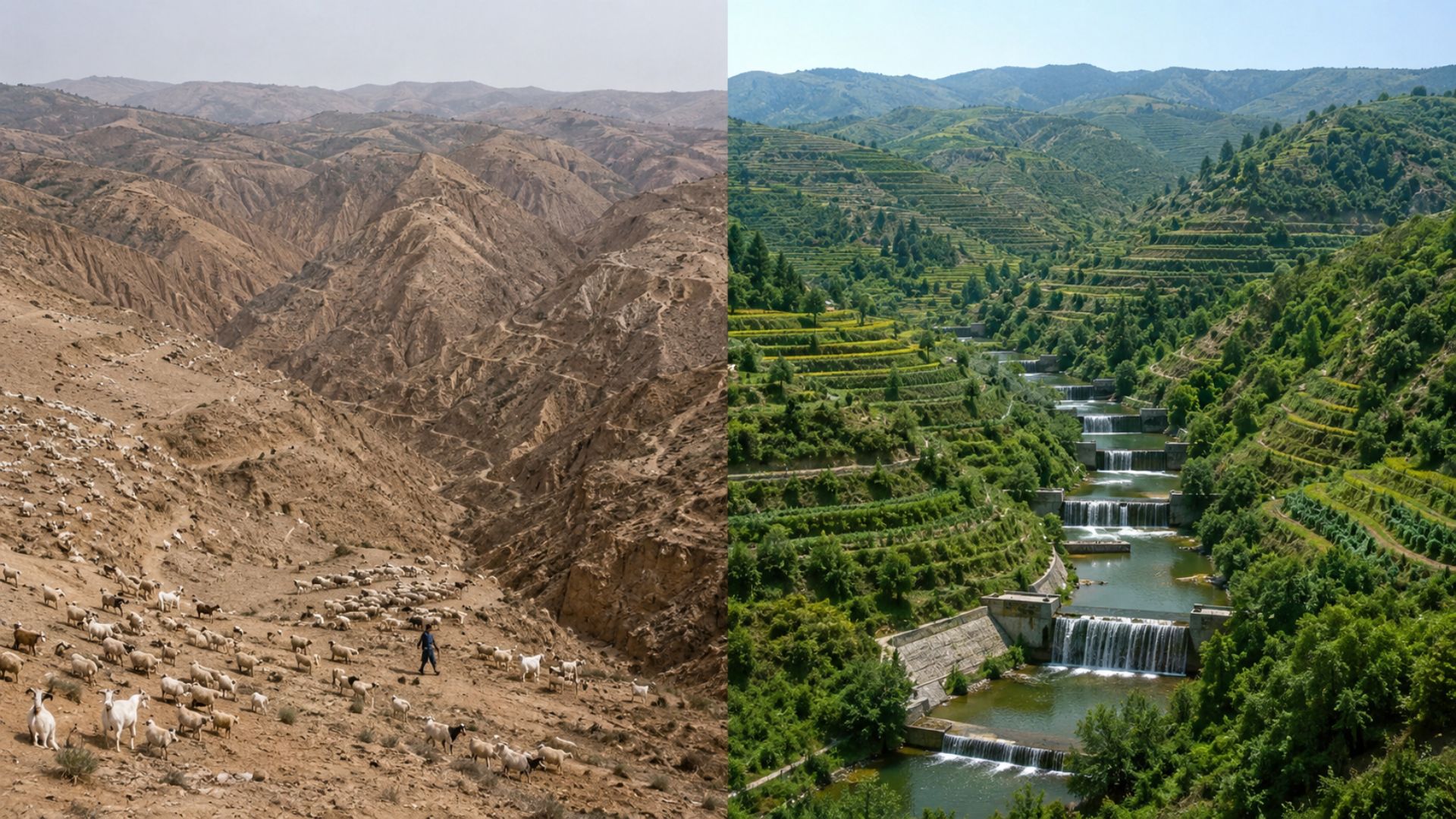
China banned free grazing of goats and sheep in parts of the most eroded plateau on the planet and, along with terraces and thousands of dams, managed to green slopes that were dumping 1.6 billion tons of soil per year into the Yellow River, in one of the largest environmental recoveries in history.
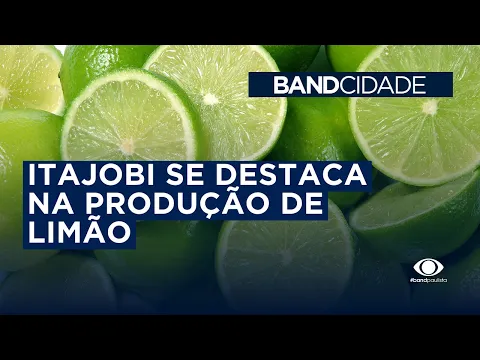

Estimates from the agricultural sector, based on data from IBGE and regional cooperatives, indicate that the region linked to Itajobi accounts for between 70% and 80% of the taiti lemon produced in Brazil, with volumes that can reach 900 thousand tons per year, depending on the harvest and climatic conditions.
This number alone places the municipality in a unique position: few Brazilian cities concentrate such relevance on a single agricultural crop.
Why The Taiti Lemon Adapted So Well To The Region
The success of the production is not merely a product of tradition. It is directly linked to very specific technical and environmental factors. The northwest of São Paulo has well-drained soils, a tropical climate with good rainfall distribution, and high solar incidence, making ideal conditions for the continuous cultivation of the taiti lemon throughout the year.
Moreover, local producers have heavily invested in controlled irrigation, precision fertilization, and integrated pest management, raising productivity per hectare to levels above the national average. In some properties, annual production significantly exceeds the indicators observed in other producing states.
This efficiency explains how a small city managed to become dominant in such a competitive market.
An Economic Engine That Goes Beyond The Crop
The strength of the taiti lemon is not limited to the orchards. The crop has boosted an entire local economic chain. Packing houses, classification and packaging companies, transporters, and agricultural input suppliers have established themselves in the region, creating a highly specialized productive network.
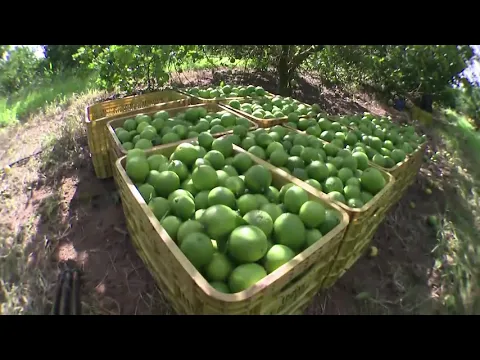
The direct impact is seen in job generation, both in the field and in the urban area. During intense harvest periods, the demand for labor grows significantly, stimulating income and services in neighboring municipalities.
Additionally, a significant portion of the production goes to the juice, essential oils, and derivatives industry, sectors that use the taiti lemon as a strategic raw material for food, beverages, and even cosmetics.
The Role Of Exports And The International Market
Although a large part of the taiti lemon produced is consumed in the domestic market, a relevant share is destined for export. Countries in Europe, the United States, and the Middle East are among the main buyers of the Brazilian fruit, especially during off-seasons in other major global producers.
The standardization of production and compliance with international phytosanitary requirements have allowed producers linked to Itajobi to access these markets, increasing the added value of the fruit. In years of favorable exchange rates, exports become even more attractive, reinforcing the strategic importance of the region for the agribusiness trade balance.
Risks, Challenges, And The Dependence On A Single Crop
Despite the success, productive concentration also brings challenges. Extreme climatic fluctuations, such as prolonged droughts or hail episodes, can significantly impact annual production. Furthermore, variations in international prices and input costs directly affect producers’ profitability.
Another sensitive point is the economic dependence on a single crop. Although the taiti lemon has proven resilient, experts warn of the importance of agricultural diversification as a way to mitigate long-term risks.
Still, the experience of Itajobi shows that specialization, when accompanied by technology and productive organization, can transform a small city into a national protagonist.
An Example Of How The Interior Drives Brazilian Agriculture
The story of Itajobi reveals a lesser-seen aspect of agricultural Brazil. While public debate often focuses on large farms, traditional commodities, or multinational corporations in the sector, discreet cities in the interior sustain entire productive chains with impressive efficiency and scale.
Account for up to 80% of the taiti lemon in the country is not just a statistical figure. It is proof that Brazilian agribusiness is also built in small, highly specialized municipalities that are strategically positioned.
The question that remains is straightforward: how many other “invisible capitals” of agribusiness exist scattered throughout the country, sustaining entire markets without ever appearing on the radar of most Brazilians?







-

-

-

-

-

-

25 people reacted to this.