





 Portuguese
  English
  Spanish
  3 min of reading


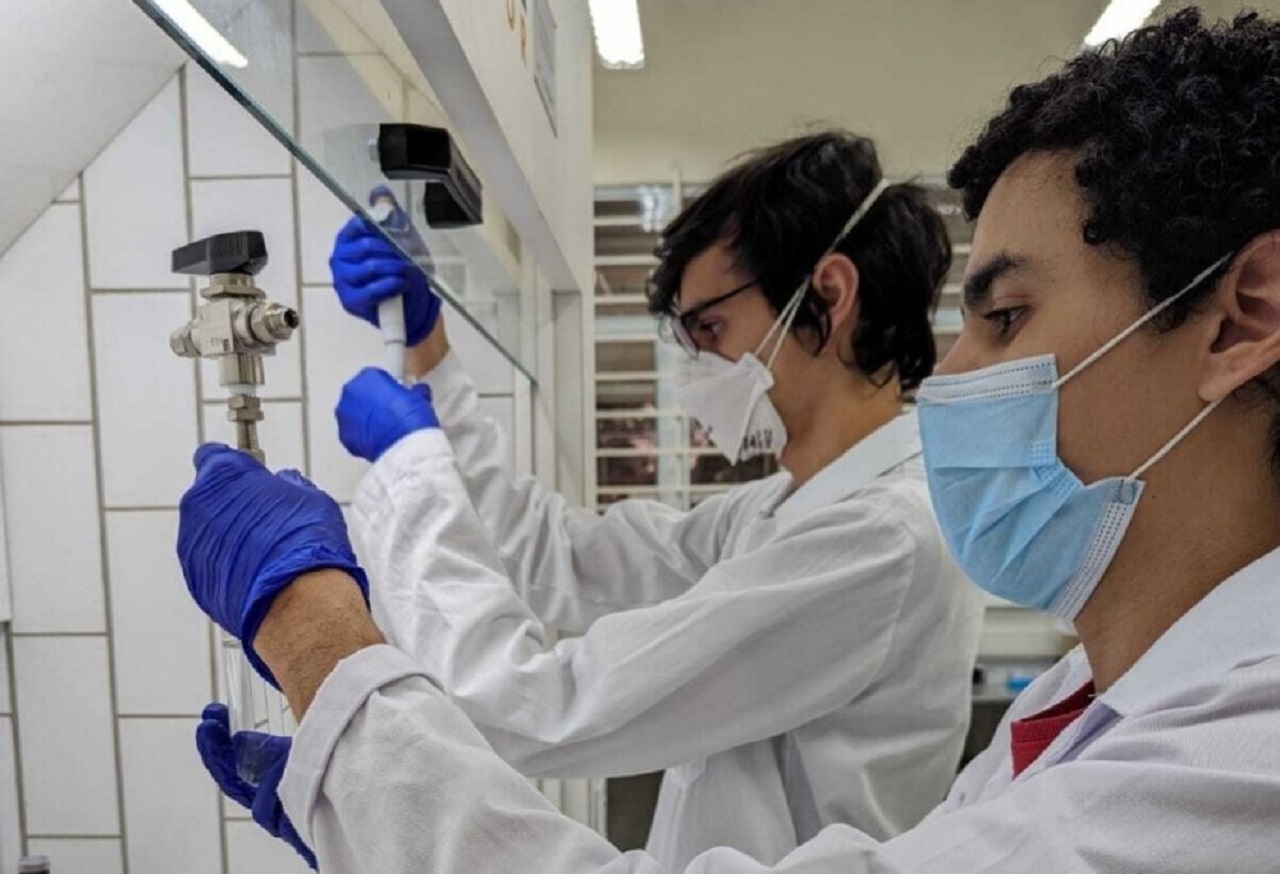
Scientists Develop A Catalyst That Uses Solar Light To Convert Methane Into Methanol, Which Could Be A Big Step Towards The Transition To Clean And Renewable Energies.
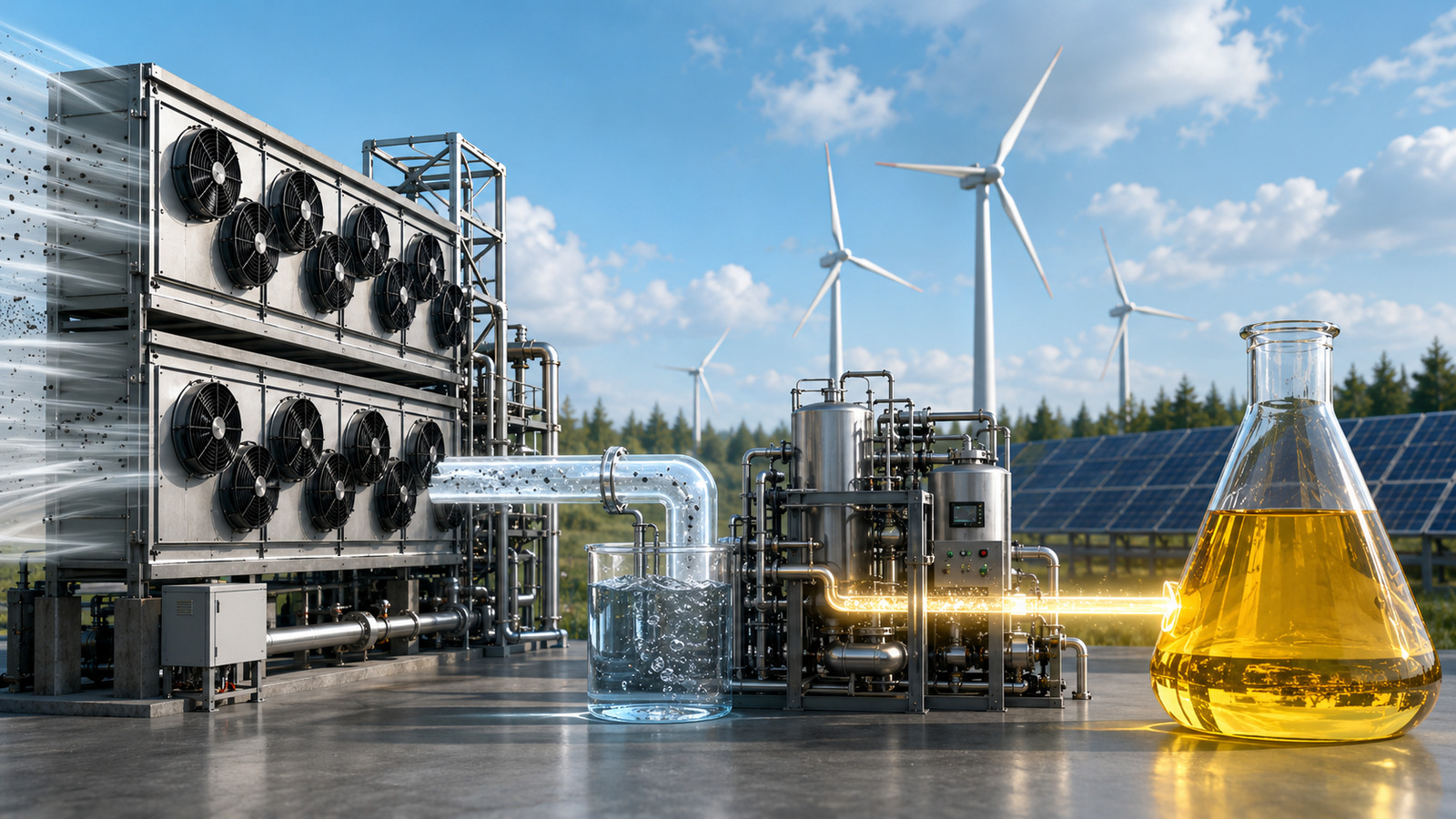
A group of Brazilian scientists managed to convert methane into methanol using solar light and dispersed transition metals, such as copper, in a process called photo-oxidation. The work was published in the scientific journal Chemical Communications and, according to the article, it was the best performance found so far for the conversion of methane into methanol, that is, gas to liquid, under ambient temperature and pressure conditions of -25ºC and 1 bar, respectively.
Methanol Can Be Used For Biodiesel Production
The result of the scientists’ work with the help of solar light is an essential step for the utilization of natural gas, potentially making this energy source viable for fuel generation in the future, being a great alternative to diesel and gasoline.
Although considered fossil, converting natural gas into methanol generates less carbon dioxide (CO₂) compared to other types of liquid fuels in this category.
-
Europe wants to hold onto the black powder from used batteries because this dark residue contains valuable metals, can supply up to 1 million electric cars per year, and has become an industrial dispute.

-
Study by Global Project Tracker reveals: While major economies compete for climate leadership, Brazil gathers a potential of US$ 306 billion in sustainable industrial projects and advances in the production of SAF and green aluminum, attracting international capital and strengthening its global strategic position.
-
Brazil may fall behind, and irreversibly so, in the global technological race involving the implementation of Data Centers and investments in Artificial Intelligence (AI). Much smaller but more agile economies, such as those of Argentina and Paraguay, have taken the lead.

-
Brazil is generating so much clean energy that the ONS had to implement an unprecedented emergency plan to contain the solar and wind surplus in the grid.





In the Brazilian market, methanol plays a crucial role in biodiesel generation and in the chemical industry, being used as an input to synthesize various chemical products. Additionally, capturing methane from the atmosphere is important to reduce the effects of climate change, considering that this gas has 25 times more potential to contribute to global warming than CO₂, for example.
According to the doctoral student from the Department of Chemistry at Federal University of São Carlos (UFSCar), Marcos da Silva, there is a significant debate among scientists about the amount of methane reserves existing worldwide.
The estimate is that they have double the energy potential compared to other fossil fuels in the world. In the transition to clean energies, it will be possible to count on methanol at some point.
New Research Using Solar Light and Methanol May Arise After Brazilian Success
The study by the scientists was supported by FAPESP through two projects and also by the National Council for Scientific and Technological Development (CNPq) and the Coordination for the Improvement of Higher Education Personnel (Capes).
For UFSCar professor Ivo Freitas Teixeira, Silva’s advisor, one of the innovations in the research on methanol was the photocatalyst, capable of oxidizing methane to methanol in a single step. In the chemical industry, this transformation occurs through the production of hydrogen and CO₂ carried out in at least two steps and under very high temperature and pressure conditions.
Achieving this feat under simpler conditions, using less energy and obtaining methanol through solar light is a significant advance. According to the professor, the result paves the way for new research to explore using solar energy as the promoter of this process, further mitigating environmental impact.
Step-by-Step How Methane Was Transformed Into Methanol
In the laboratory, Brazilian scientists synthesized crystalline carbon nitrides (PHI) with non-abundant or noble transition metals, primarily copper, generating active solar light photocatalysts.
These photocatalysts were employed in methane oxidation reactions using hydrogen peroxide as an initiator. The scientists’ catalyst produced significant amounts of oxygenated liquid products, mainly methanol, in a four-hour period.
According to Teixeira, the best catalyst and other essential conditions for chemical generation were identified, such as using a lot of water and only a little hydrogen peroxide, which is an oxidizing agent. Now, the next steps will be to understand a bit more about the active copper sites in the material.






Be the first to react!