Portuguese
  Spanish


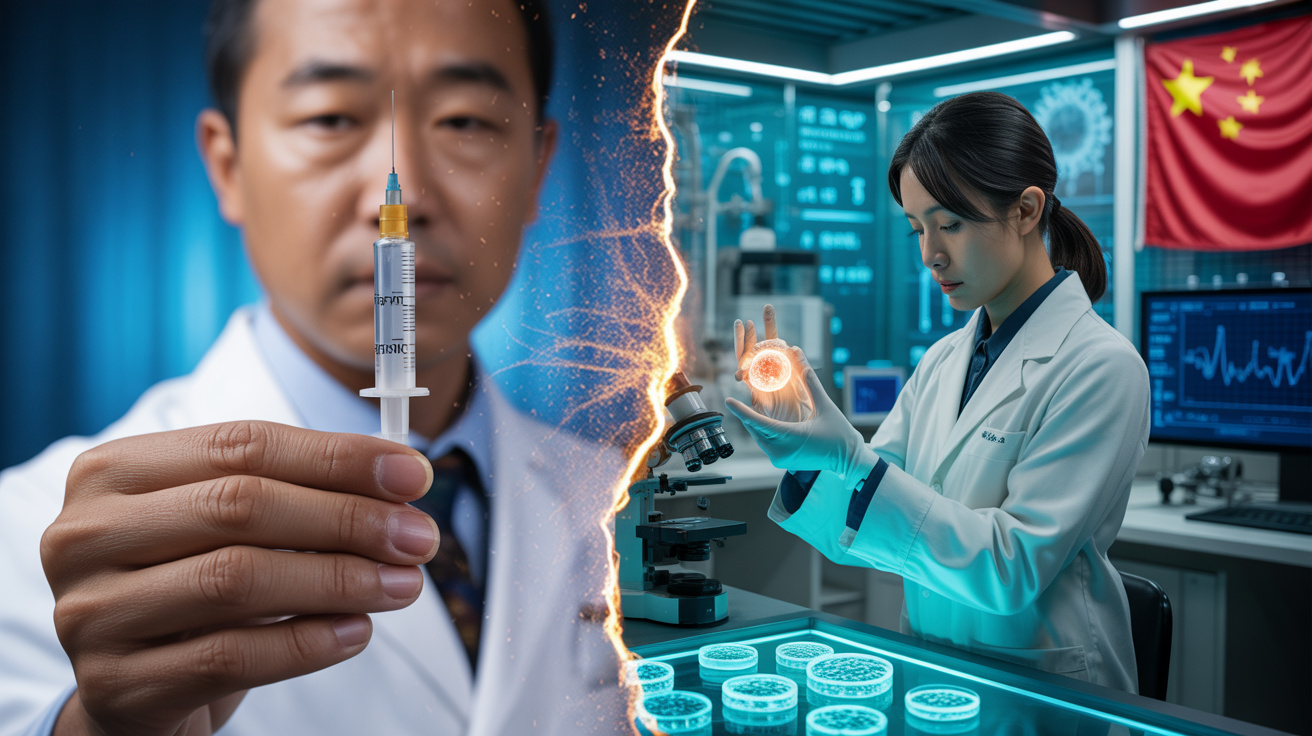


Studies Published in the Scientific Journals Cell and Reported by International Outlets Between 2024 and 2026 Report the Reversal of Type 1 and Type 2 Diabetes with the Use of Stem Cells in China, Restoring Natural Insulin Production in Patients.
According to a study published in the scientific journal Cell in 2024, a team of researchers from Peking University reported the first documented case of reversal of type 1 diabetes in a human patient after the transplantation of induced pluripotent stem cells (iPSCs) transformed into insulin-producing cells. The article describes that the patient began to produce insulin naturally about two and a half months after the procedure. The case was subsequently reported by international scientific outlets, including analyses in the journal Nature, along with medical reports published in 2025 and 2026 that indicate further advances also involving type 2 diabetes in experimental protocols conducted in China.
Experts consulted by these publications emphasize that the results represent a significant advance in regenerative medicine, although they are still within the context of controlled clinical research and do not constitute widely available therapy.
What Was Done in the Case of Type 1 Diabetes
Type 1 diabetes is an autoimmune disease in which the immune system destroys the beta cells of the pancreas responsible for producing insulin. Without insulin, the body cannot properly regulate blood glucose levels.
-
Sixth-grader in Miami wins Lemelson Young Inventor Prize for creating water-absorbing concrete using discarded oyster shells and charcoal.

-
Brazilian Researchers Develop Portable, Painless, Radiation-Free Breast Cancer Tracker Using Microwaves, Costing Around $200 and Potentially Replacing $240,000 Mammograms
-
Beer as a Vaccine? Scientist Develops Experimental Method with Live Yeasts, Tests Own Brew, and Publishes Results on Zenodo

-
Brazilian Researchers Develop ‘Rapha’ Device Using Natural Latex and LED Light to Heal Diabetic Foot Ulcers and Prevent 50,000 Annual Amputations


In the study published in Cell, the researchers collected cells from the patient and reprogrammed them to a pluripotent state, creating the so-called iPSCs. These cells were then induced to differentiate into cells similar to insulin-producing pancreatic islets.

After this differentiation process in the laboratory, the cells were transplanted into the patient’s body. According to the reported data, there was progressive recovery of endogenous insulin production. Laboratory tests indicated that the body began to respond to glucose with appropriate hormone release, reducing the need for external applications.
The clinical follow-up reported in the article indicated maintenance of glycemic control over several months, without severe episodes of hyperglycemia or hypoglycemia related to the procedure.
Advances Involving Type 2 Diabetes
In 2026, medical reports and international coverage indicated that Chinese researchers also recorded positive results in a patient with type 2 diabetes subjected to similar therapy.
Type 2 diabetes is primarily characterized by insulin resistance and progressive deterioration of pancreatic function. In the reported case, stem cells were differentiated into insulin-producing cells and transplanted, leading to the restoration of endogenous hormonal production.
According to the disclosed data, the patient reportedly ceased needing insulin injections after the functional integration of the transplanted cells. Although the number of patients is still limited, the report expands the scope of regenerative therapy beyond the autoimmune form of the disease.
How Stem Cell Therapy Works
The described procedure involves several stages of advanced biotechnology. First, adult cells from the patient are collected. Then, these cells undergo genetic reprogramming to return to a pluripotent state, similar to that of embryonic cells.

Then, through controlled biochemical protocols, these cells are differentiated into three-dimensional structures resembling pancreatic islets. These structures contain beta cells capable of synthesizing and releasing insulin in response to glucose.
After transplantation, these cells are expected to integrate into the patient’s circulatory system and metabolic environment. The capacity of these cells to dynamically respond to glucose variations is one of the central points of the study, as it differentiates the therapy from conventional methods based solely on external hormone administration.
Results Observed in the Studies
The published data indicate that:
- There was restoration of natural insulin production.
- Patients exhibited stable glycemic control.
- The need for insulin injections was suspended in the reported cases.
- No serious complications associated with the transplant were reported in the initial follow-up period.
These results were described as evidence of the physiological functionality of the transplanted cells, and not just structural presence in the body.
However, the authors themselves emphasize that the number of patients is still small and that long-term follow-up is critical to validate the durability of the effect.
Immunological Issues Involved
In type 1 diabetes, the immune system is responsible for destroying the beta cells. One of the concerns in regenerative therapies is to prevent the new cells from suffering the same autoimmune attack.
The studies report that strategies for immune protection and monitoring were utilized. In some similar international protocols, patients receive immunosuppressants to avoid rejection or autoimmune attack.
This point is considered critical, as long-term immune stability will determine the definitive success of the therapy.
Difference Between Conventional Treatment and Regenerative Approach
The traditional treatment of diabetes is based on:
- Exogenous insulin administration
- Hypoglycemic medications
- Constant glucose monitoring
- Dietary adjustments
On the other hand, stem cell therapy aims to restore the original biological function of the organism.
While conventional treatment manages the disease, the regenerative approach intends to rebuild the lost physiological mechanism.
Global Expansion of Research
China is not the only country investigating stem cell therapies for diabetes. Institutions in the United States and Europe are also conducting clinical trials with donor-derived or encapsulated cells to avoid immune rejection.
However, the reported cases in China have drawn attention for involving autologous reprogramming (cells from the patient itself), reducing the risk of immune rejection associated with conventional transplants.
Potential Impact on Medicine
If confirmed in expanded studies, the technique could profoundly alter the treatment of diabetes.
Diabetes is one of the most prevalent chronic diseases in the world, with millions of people relying on daily insulin. The possibility of restoring the natural production of the hormone represents a structural change in the therapeutic paradigm.
The functional restoration of the pancreas through cellular engineering is considered one of the most advanced frontiers of contemporary regenerative medicine.
What Still Needs to Be Proven
Among the points that require scientific validation are:
- Duration of insulin production over the years
- Risk of autoimmune recurrence
- Long-term cellular safety
- Cost and feasibility at scale
Studies continue to progress, and the most recent data indicate an expansion of clinical trials.
The studies published between 2024 and 2026 indicate that reprogrammed stem cells managed to restore the natural production of insulin in patients with type 1 and type 2 diabetes, allowing the suspension of injections in documented cases.
The results represent a significant scientific advance, but remain in an experimental stage and under rigorous clinical follow-up.
The continuity of the trials will determine whether this approach can become standardized therapy in the future, significantly altering the treatment of one of the most prevalent chronic diseases in the world.