Portuguese
  Spanish


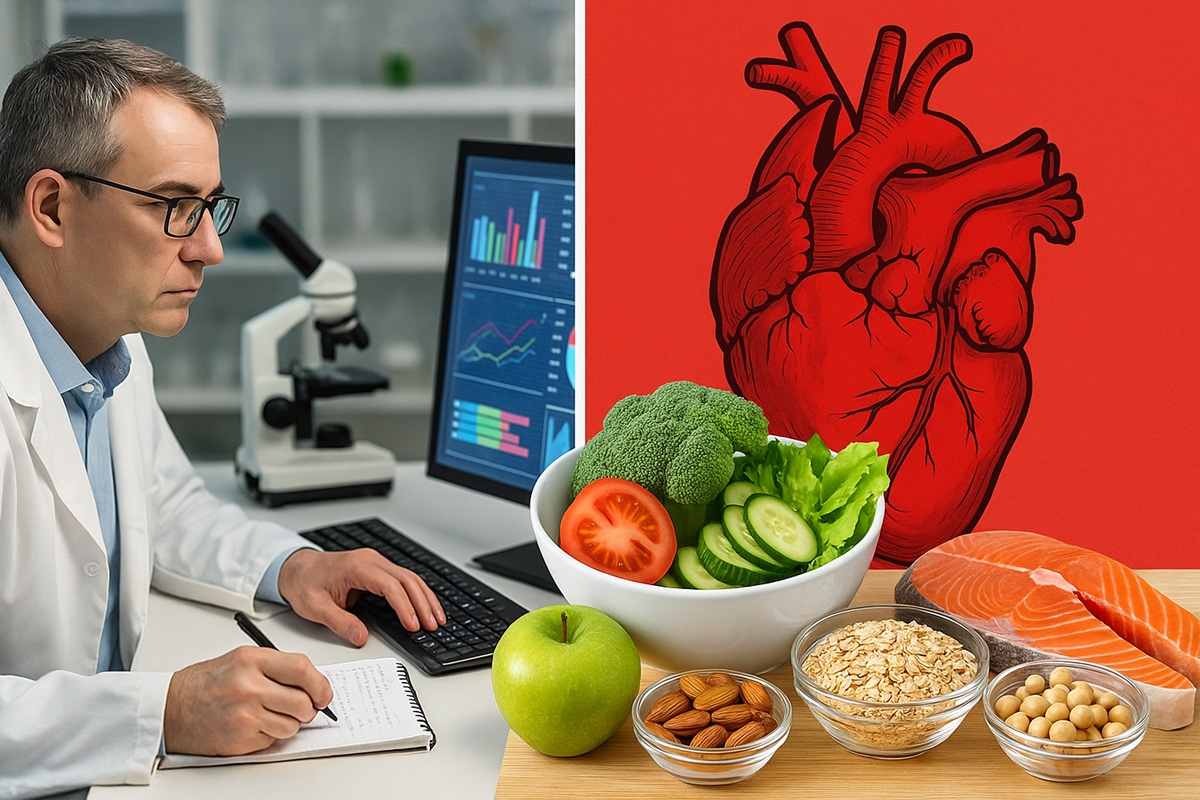

Study Involving Nearly 200 Thousand People Reveals That The Choice of Healthy Foods Has A Greater Impact On Heart Health Than The Type Of Diet Followed.
For over three decades, a group of researchers tracked the diets of nearly 200 thousand people. The goal was to understand the real impact of low carbohydrate or fat diets on heart health.
The main conclusion is surprising: more than the type of diet, what really makes a difference is the quality of the chosen foods.
Eating Well Is More Important Than Eating Less
For a long time, the discussion about healthy eating revolved around the amount of carbohydrates or fats.
-
Estonia Constructs Bunkers and Trenches on Russian Border to Strengthen NATO Defense and Signal Baltic Readiness

-
Heidelberg’s 670-ton, 25-meter medical machine rotates 360 degrees to target hard-to-reach tumors with ion beams without surgery.

-
3-Billion-Year-Old Crater May Be Earth’s Oldest Known, with Tiny Minerals Helping Scientists Solve a Billion-Year Mystery

-
Giant Asteroid Impact Crater in Australia Suggests Possible “Gold Rain” 790,000 Years Ago





Many diets were created based on this division. However, the new study reinforces that the choice of ingredients carries more weight than the macronutrient cut.
“We found that what you eat on low-carbohydrate or fat diets matters just as much as the diet itself,” explained researcher Zhiyuan Wu from the Harvard School of Public Health.
Diets that prioritize vegetables, fruits, whole grains, nuts, and legumes showed a significant reduction in the risks of heart disease. On the other hand, those that include processed foods and animal products showed the opposite effect.
Long-Term Follow-Up With Thousands Of People
The data used by the researchers came from three large health studies conducted in the United States.
There were 43,430 men monitored between 1986 and 2016, 64,164 women between 1986 and 2018, and another 92,189 women between 1991 and 2019.
Over these decades, participants answered detailed questionnaires about their eating habits.
Using this information, scientists scored the quality of each person’s diets, considering whether their choices were healthy or not, even within the standards of low-fat or low-carbohydrate diets.
High And Low Quality Foods Were Defined
In the study, foods like whole grains, fruits, vegetables, nuts, and legumes were considered high-quality nutrient sources.
On the other hand, items such as potatoes, refined grains, processed meats, saturated fats, and animal products were classified as low-quality.
The team went even further. In over 10,000 participants, scientists analyzed blood samples to measure metabolites — substances that indicate metabolic function. This helped understand how diet directly affects overall health.
Up To 15% Reduction In Cardiac Risk
The results were clear. People who followed healthy versions of low-carbohydrate or fat diets had a lower risk of developing heart disease.
Meanwhile, those who followed “trendy” diets, but with low-quality foods, saw an increase in risk.
“Improving food quality is crucial for enhancing heart health,” Wu emphasized. He highlighted that more than just choosing between cutting carbohydrates or fats, prioritizing natural foods and avoiding processed ones is essential.
Simple Suggestions For Improving Diet
The study’s authors also provided practical tips. Among them, increasing the intake of whole grains, fruits, vegetables, nuts, and legumes.
At the same time, it is advised to reduce the consumption of processed meats, refined carbohydrates, and foods high in sugar.
Also, pay attention to food labels, as products like industrial juices and snacks may contain low-quality ingredients.
The study presented at the NUTRITION 2025, an event of the American Society for Nutrition, also paves the way for new inquiries.
The researchers want to understand how genetics, lifestyle, and other factors may influence the relationship between diet and heart health. They also intend to investigate the effects of diets on other diseases, such as type 2 diabetes and cancer.
With information from scitechdaily.