Portuguese
  Spanish


WeaveLand Project transforms coconut waste into plastic-free material in the Philippines, was selected by the Earth Prize 2026 and develops reusable items like bags, purses, and baskets, while Serin Park and Sieun Kwon aim to reduce coastal waste, expand environmental education, and bring natural fibers to sustainable local daily use alternatives.
Coconut shells and fibers that could become industrial waste have found a new purpose in the hands of teenagers Serin Park and Sieun Kwon, also known as Emily, in the Philippines. The duo created WeaveLand, a project that transforms discarded material into a plastic-free alternative for manufacturing reusable bags, purses, and baskets.
According to the The Earth Prize Newsroom, the initiative was announced on April 10, 2026, as one of the 35 teams selected in the Earth Prize 2026, a global environmental competition aimed at young people aged 13 to 19. Representing the Oceania and Southeast Asian region, the project seeks to tackle coastal plastic waste through a natural, lightweight material connected to an abundant waste in the country.
Discarded coconut becomes the base of plastic-free material in the Philippines
WeaveLand was born from a direct observation of plastic pollution along the coast of the Philippines. Upon seeing waste accumulated in areas near the sea, Serin Park and Sieun Kwon decided to seek an alternative that did not rely on conventional plastic and utilized a raw material already locally available.
-
China Establishes State Centers to Train Humanoid Robots, While the West Lags Behind with Makeshift Solutions

-
The Trap of Modern Technology: How Screen Overload and Digital Connections Can Impact Your Mental Health and Well-being
-
Wyoming Couple Grows Tropical Fruits Year-Round in -40°C Using Geothermal Greenhouse, Demonstrating Earth’s Heat Can Produce Oranges and Lemons in Snow Without Traditional Heating

-
Ship Returns from Brazilian Coast with Thirty Newly Discovered Life Forms


The choice of coconut is not casual. In producing regions, the fiber can be left over from industrial processes and end up treated as waste. The project proposes to transform this waste into useful material, with applications in simple everyday objects, especially items aimed at light transport and storage.
The proposal draws attention because it starts from a visible problem, coastal waste, and responds with a solution made from another waste. Instead of creating a completely new product from synthetic raw materials, the teenagers seek to reuse natural fibers that already exist in the production chain.
The idea also connects to the reality of the Philippines, a country facing environmental pressure related to plastic waste. According to data released in the Earth Prize material, the country generates about 1.7 million metric tons of post-consumer plastic waste per year.
WeaveLand uses manual techniques to create bags, purses, and baskets
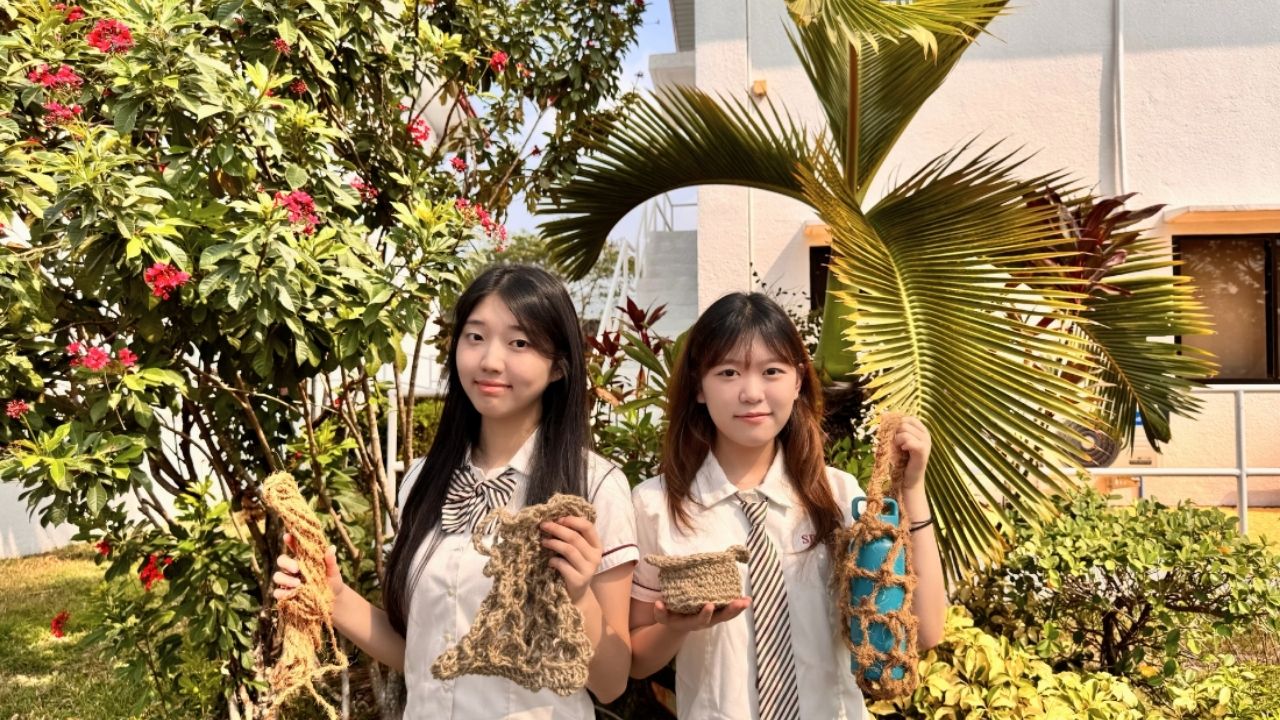
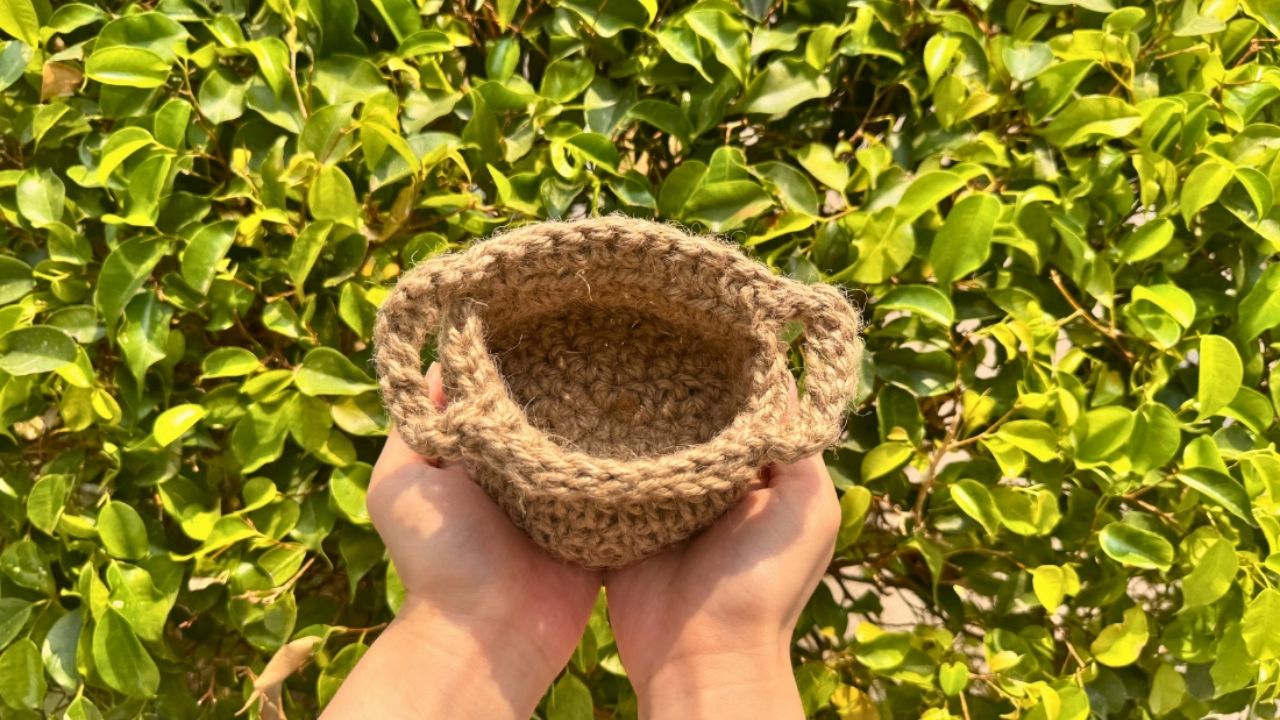
The project transforms discarded coconut shells and fibers into plastic-free material through techniques like knitting and crocheting. From this process, the team develops reusable items aimed at daily use, such as bags, purses, and baskets for fruits and market products.
The proposal stands out by combining environmental solution and productive simplicity. Instead of relying solely on large industrial processes, WeaveLand works with accessible methods that can be taught, adapted, and replicated in educational or community activities.
The result is a material that attempts to replace plastic items in common everyday situations. Bags and baskets are among the objects most associated with quick consumption, especially in food shopping, markets, and small trips.
Even so, the project remains in the development phase and seeks partnerships to expand production and impact. The challenge will be to transform prototypes and educational actions into a solution capable of scaling without losing the sustainable character of the proposal.
Earth Prize placed teenagers among 35 global teams
The selection among the 35 teams of the Earth Prize 2026 gave international visibility to WeaveLand. The competition is presented as one of the largest environmental initiatives in the world for young people, offering mentorship, resources, and funding for students developing ecological solutions with real-world application.
Serin Park and Sieun Kwon were chosen among projects from different global regions. Each edition, the prize selects teams considered promising, bringing together proposals ranging from biodegradable materials to technologies for ocean cleaning, potable water generation, and environmental monitoring.
Entering the top 35 does not mean winning the competition, but it indicates technical recognition and potential impact. For a project created by teenagers, the selection increases the chance of connection with mentors, environmental organizations, and potential partners.
The Earth Prize reports that it has already reached over 21,000 students in 169 countries and territories since its creation. The initiative also claims to have awarded more than $500,000 to support youth-led environmental ideas.
Project targets a global problem: little plastic is recycled
The relevance of WeaveLand increases in light of a recurring fact in environmental debates: globally, only a small fraction of plastic waste is recycled. The material released by the Earth Prize mentions that only 9% of discarded plastic worldwide undergoes recycling.
This scenario pressures coastal countries, riverside communities, and cities where improper disposal reaches rivers, beaches, and oceans. In the Philippines, the combination of consumption, disposal, and insular geography makes waste management an even more visible challenge for communities near the sea.
The teenagers’ solution does not intend to solve the plastic problem alone, but it shows a possible route: replacing some disposable items with natural and reusable materials. Coconut fiber appears as an alternative for being abundant, resistant, and linked to an already existing waste.
The real impact will depend on production capacity, item durability, consumer acceptance, and economic viability. Even so, the project has symbolic strength by transforming what would be waste into a functional object.
Educational kits bring children closer to natural materials
In addition to reusable products, WeaveLand also created practical educational kits to teach children about natural materials and plastic-free alternatives. The idea is to use coconut fibers in simple activities, such as making bracelets, bringing environmental education closer to hands-on experiences.
This approach extends the project’s reach beyond the sale or production of objects. By involving children, the teenagers aim to form a more concrete understanding of waste, consumption, and material reuse.
Environmental education gains more strength when it stops being just an explanation and becomes practice. By touching, braiding, and transforming natural fibers into a simple item, students can better visualize how waste can gain another function.
This type of action can also help WeaveLand grow through schools, youth groups, and environmental organizations. Seeking partnerships with entities that work with coconut fiber and youth appears as an important step to expand both production and awareness.
Youth transforms climate anxiety into practical action
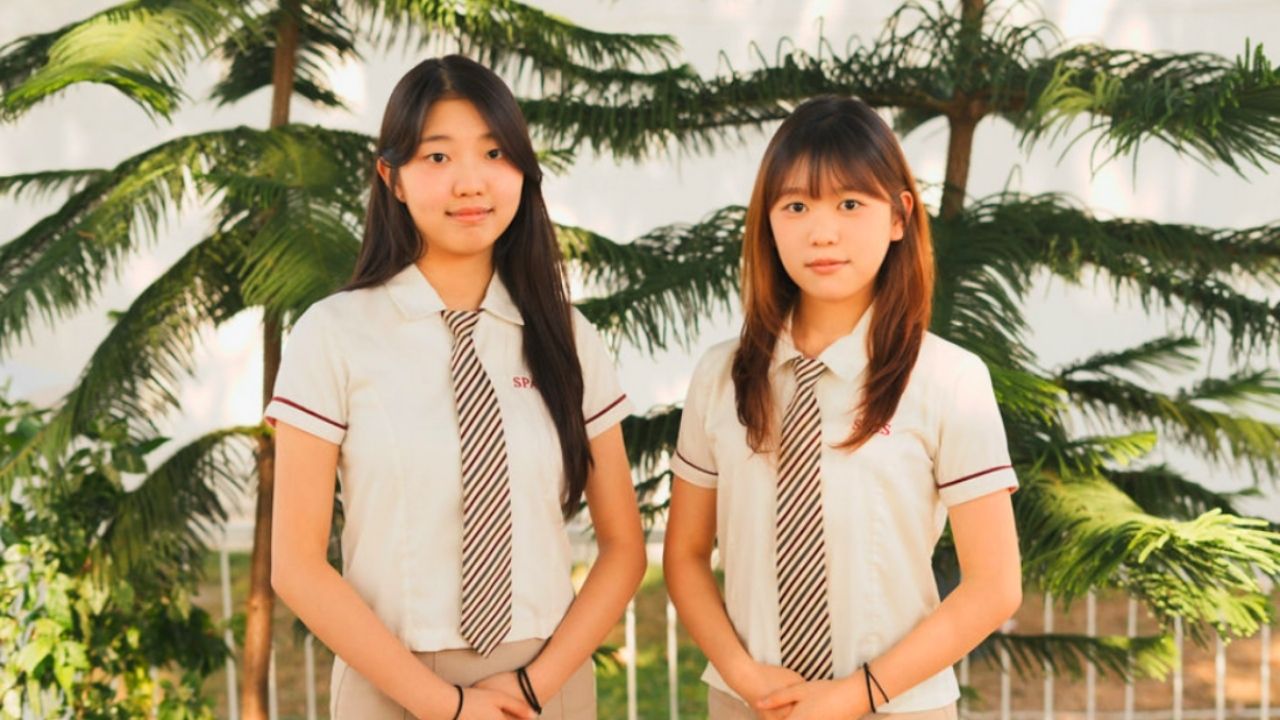
The Earth Prize emerged in a context of student mobilization for the climate and presents young innovation as a response to environmental anxiety. The prize’s own material cites that many young people report intense concern about the environment, a scenario that makes practical initiatives even more relevant.
In the case of WeaveLand, two teenagers turned discomfort with coastal waste into a concrete proposal. The solution combines local observation, available material, and simple application, avoiding reliance solely on complex technology or expensive infrastructure.
The project shows that environmental innovation can also arise from something seemingly common, like coconut fiber. The difference lies in seeing value where there was once waste and in connecting this reuse to an everyday need.
This type of initiative does not replace public policies for waste management, plastic reduction, and coastal cleaning. But it can complement these actions by creating products, education, and engagement around more sustainable choices.
Coconut plastic-free material still needs to prove scale and durability
Despite the recognition, WeaveLand still faces typical challenges of developing projects. To compete with cheap and abundant plastic products, materials made with coconut fiber need to demonstrate resistance, practicality, viable pricing, and consistent production capacity.
It will also be necessary to assess how the items behave in daily use, especially in humid environments, fairs, food transportation, and repeated washing or handling. The proposal is promising, but its expansion will depend on testing, partnerships, and improvements.
The strength of the idea lies in its simplicity, but the most challenging step may be turning a prototype into an accessible solution. Many environmental projects gain initial attention and then face barriers related to cost, logistics, and consumer adoption.
Even so, the fact that WeaveLand was selected for the Earth Prize indicates that the solution sparked interest by combining a real problem, creativity, and educational potential. The next step will be to show how far this material can go outside the competition.
Coconut shells reveal a simple path against coastal waste
The project by Serin Park and Sieun Kwon shows how coconut waste can be repurposed to create plastic-free alternatives in everyday objects. Bags, purses, and baskets may seem like simple items, but they represent a category of consumption directly linked to recurring disposal.
By entering the global top 35 of the Earth Prize 2026, WeaveLand gained visibility as a young solution to a persistent environmental problem. The initiative does not promise to eliminate plastic pollution on its own, but it proposes to reduce dependence on disposable materials and value natural resources available in the Philippines.
The story draws attention because it turns potential waste into useful material, environmental education, and a debate about consumption. In a world that still recycles little plastic, local solutions can play an important role when they manage to combine impact, low cost, and community participation.
Do you believe that materials made from coconut can replace some of the plastic bags and packaging in daily life, or is there still a lack of scale for these ideas to compete with common plastic? Leave your opinion in the comments and join the debate.