Portuguese
  Spanish


China is quietly buying tungsten scrap from the United States, paying up to five times the normal value. The price of the metal has soared more than 500% after Beijing restricted exports, exposing the West’s dependence on an essential material for chips, energy, and modern military armaments.
It sounds like an industrial espionage movie script, but it happens in broad daylight: China is siphoning tungsten scrap from the United States through discreet meetings in large store parking lots, where Asian buyers pay more than $20,000 in cash for lots of metal scrap. According to a Financial Times report, intermediaries are snapping up American recycling depots and paying up to five times the normal price, leaving local companies without raw materials.
The reason for this silent dispute lies in the strategic value of tungsten, a metal little known to the public but absolutely vital for modern technology. China currently controls about 79% of global production, and when Beijing tightened export controls, prices skyrocketed brutally, raising an economic and military alert in the West. The episode exposed how much the world depends on a single country for an essential resource.
Why tungsten is so contested
Tungsten, whose name means “heavy stone” in Swedish, has characteristics that make it practically irreplaceable. It has the highest melting point of all known metals, reaching an impressive 3,422 °C, as well as extreme hardness and great resistance to thermal shock. These properties make it an indispensable material for applications ranging from aerospace technology to armor-piercing military ammunition.
-
Apple Raises MacBook and iPad Prices as Memory Costs Surge by Up to 98%, Losing Edge Over Rivals and Highlighting AI Boom’s Impact on Consumers

-
China Establishes State Centers to Train Humanoid Robots, While the West Lags Behind with Makeshift Solutions
-
The Trap of Modern Technology: How Screen Overload and Digital Connections Can Impact Your Mental Health and Well-being
-
Wyoming Couple Grows Tropical Fruits Year-Round in -40°C Using Geothermal Greenhouse, Demonstrating Earth’s Heat Can Produce Oranges and Lemons in Snow Without Traditional Heating




It is precisely this versatility that explains the Chinese interest even in scrap. Worn industrial drills and other waste contain the metal in sufficient quantities to be worth fortunes. Since tungsten is used in the manufacture of chips, energy systems, defense equipment, and armaments, ensuring the supply of this material has become a strategic priority, and China has been moving to secure control of the entire chain, from extraction to recycling.
How China triggered the price surge
The current crisis originates from a decision by Beijing. In February 2025, in retaliation to American tariffs, China tightened its export controls on tungsten, reducing shipments to the West by about 40%. The effect was immediate and devastating for the market, creating a supply bottleneck that skyrocketed prices dramatically.
The numbers are impressive: the price of tungsten rose 557%, reaching $2,250 per metric ton. The great contradiction is that while the global shortage of virgin metal is caused by Chinese quotas, it is China itself that is grabbing the recycled American scrap, taking it back to Asia through intermediary countries like Canada and Dubai. Analysts warn of an imminent danger: if China officially reopens its doors to direct scrap imports, the result could be disastrous for supply in the rest of the world.
The geopolitical power behind the metal
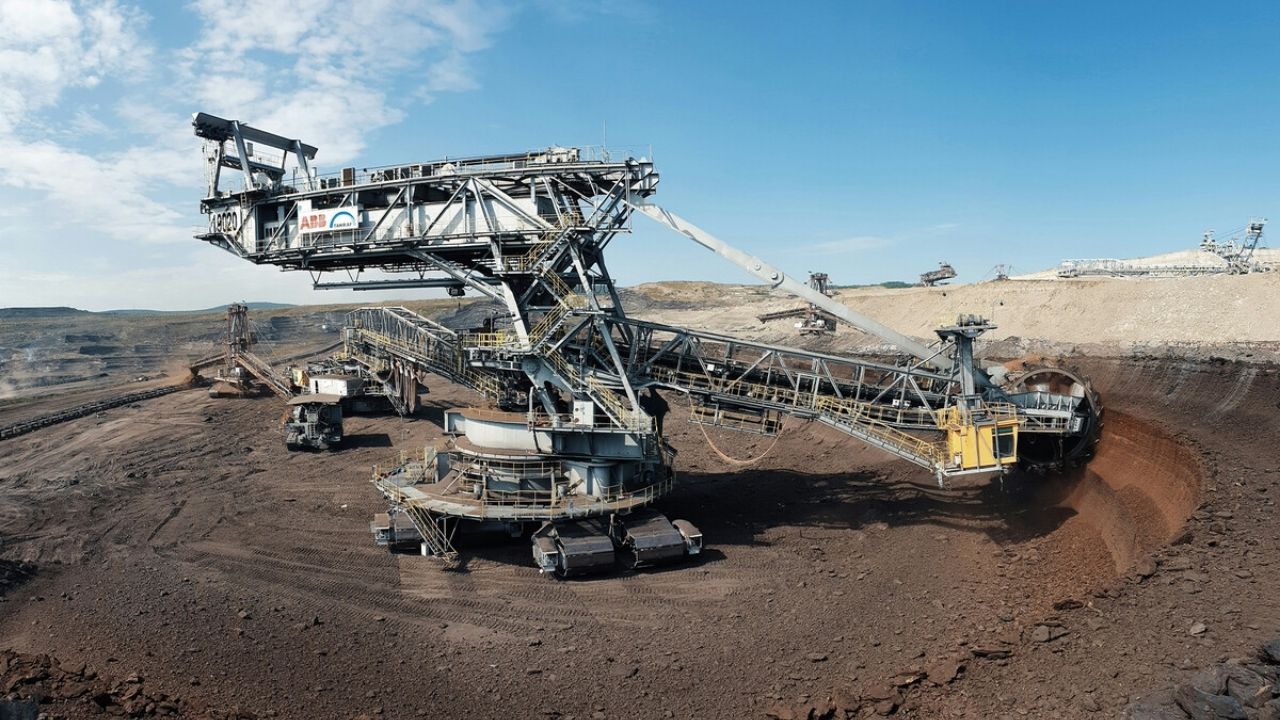
The almost absolute control of these supply chains gives China immense commercial and geopolitical power. This dominant position allows Beijing to use critical materials and technologies, the so-called “bottlenecks,” as a lever of international influence that can be activated when convenient. It is a form of pressure that goes far beyond commerce.
In the face of this resource drain, the debate has reached the highest levels. Voices from the recycling industry and the United States Congress are demanding the immediate prohibition of tungsten scrap exports to China, in the name of national security. The problem is that the country faces a temporary dead end: currently, the United States does not have sufficient processing capacity to transform all this scrap into finished products useful for its own industry.
The Western race for new sources
To escape Chinese dependence, the solution involves diplomacy and foreign investment. Kazakhstan, which has the largest tungsten reserves outside of China, estimated at about two million tons, has become the center of the American strategy, attracting government-backed investments to develop local mines. But the race is fierce, and Beijing has already advanced in Central Asia, starting commercial production at the gigantic Boguty mine in Kazakh territory.
Simultaneously, new Western actors are trying to close the gap. Companies like the Canadian mining company Allied Critical Metals are betting on revitalizing historical European projects, such as Borralha in northern Portugal, with the goal of starting tungsten concentrate production before the end of 2026.
In South Korea, the Sangdong mine, opened in March, could produce more than 80% of the world’s non-Chinese tungsten, with an important differential: the Seoul government has guaranteed a minimum price to protect the operation from dumping practices, a tactic that China has used in the past to break Western investors.
The military alert that worries the West
Behind the economic crisis, there is an urgent military concern. Recent conflicts have consumed ammunition at an accelerated pace and depleted American missile reserves that rely on tungsten, such as the Patriot and THAAD systems, bringing them to historic lows. Without a stable and abundant supply to quickly replenish these arsenals, the United States military risks facing serious difficulties in the event of a large-scale conflict.
Recycling has helped to alleviate the problem. Tungsten has a very high recycling rate, 42% worldwide and up to 70% in Western markets, precisely because of the need to compensate for China’s dominance over the primary mineral.
Even so, experts argue that the current crisis should serve as a severe warning for Western governments to urgently reduce the risks of their supply chains by building an independent industrial network to avoid having their security and economy held hostage by the monopoly of a single country.
What do you think of this global dispute over tungsten? Do you believe the West will be able to reduce its dependence on China in time, or has Beijing already taken the lead in this war for strategic resources? And Brazil, which also has mineral reserves, should it join this race? Leave your opinion in the comments and tag that friend who enjoys geopolitics and technology!