Portuguese
  Spanish


Kyle Ray left college, abandoned a frustrated attempt in the real estate sector, and turned a simple window cleaning service into a business with recurring clients, operating in Houston and Austin and plans for expansion to Dallas
Kyle Ray didn’t become a millionaire overnight, nor did he start with a high investment. The founder of Geek Window Cleaning started the business in 2007 with about $100 in equipment bought at Home Depot, a truck, and an improvised list of potential clients in shopping centers in Houston, Texas.
According to information from Business Insider, Ray had dropped out of college to try his hand at entrepreneurship in the real estate sector, but the project didn’t work out. After that, he spent about a year in an office job, from 9 am to 5 pm, until he decided he didn’t want to continue in a routine with a boss and a cubicle.
The solution was to return to a skill he had known since his teenage years, when he cleaned windows in small jobs. At night, he worked as a bartender and waiter to pay the bills. During the day, he knocked on doors, offered estimates and tried to turn a manual service into a business.
-
North Korean Soldier Risks Crossing One of the World’s Most Dangerous Borders, Detained in South Korea

-
Stingless Bee Honey from Brazil Can Cost Up to $120 a Liter, Surprises with Flavors of Wood, Citrus, and Even Cheese
-
Woman Claims to Have Spotted a Technical Pattern in Recent FIFA Tournaments, Predicts Possible World Cup Winner
-
Chevrolet Offers Chance to Win a 2026 Sonic RS for Free via WhatsApp


Today, Geek Window Cleaning operates in Houston and Austin, offering window cleaning, exterior house washing, gutter cleaning, roof cleaning, and high-pressure services. The company earned six figures in 2024 and projects to surpass $1 million in revenue.
The first client almost refused the service before accepting a $15 cleaning
The story began far from any sophisticated business plan. Ray loaded the materials into the truck and went around stores, salons, and small businesses asking if anyone needed their windows cleaned. The first client was a massage parlor, which initially refused the estimate.
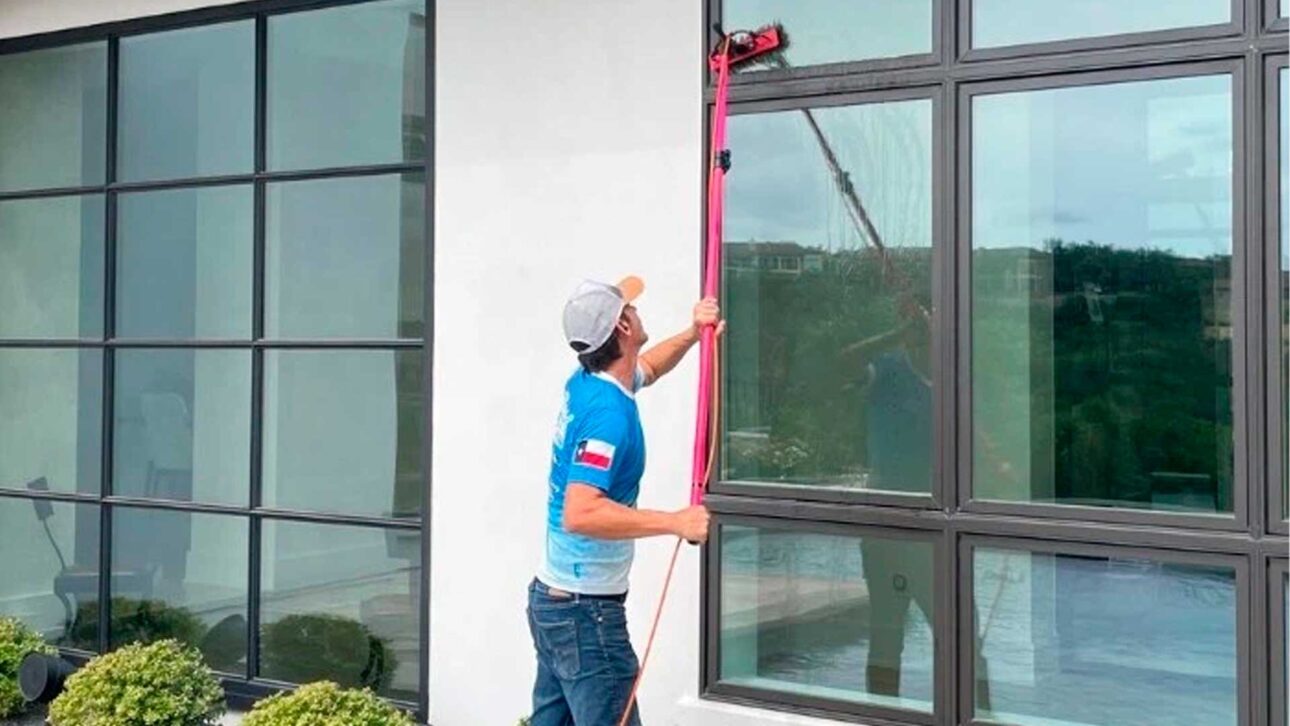
He insisted. He said the windows were dirty and that he would do better for $15. The simple proposal paved the way for the first contracts, including a beauty salon and a chicken wing diner.
In the beginning, the focus was commercial. The shop windows were large, accessible, and easier to clean. For someone starting out alone, this type of client seemed more practical because it required less technique and allowed for a predictable work routine.
But the turning point came when a manager of one of the stores asked Ray to clean the windows of his house. The service took about three hours and yielded approximately US$ 300. It was at this moment that he realized the residential market paid better.
Residential cleaning was more difficult, but showed where the money was
Cleaning house windows is quite different from cleaning store windows. In residences, there are smaller panes, partitions, screens, obstacles, different floors, and more complicated access points. The work requires more time, more care, and more technique.
Even so, Ray decided to leave commercial clients and focus Geek Window Cleaning on houses. The choice increased the average value of services but brought an immediate problem. Finding residential clients was harder than walking into a store and talking to the manager.
For a period, he spent days going door to door. On some days, he got two clients. On others, he went one or two weeks without closing any deals. The business still relied heavily on the founder’s physical effort and direct search for residents.
The company only started gaining traction when Ray realized he needed to move away from the one-off service logic. A house that cleans its windows once may take months to hire again. To grow, he needed to turn cleaning into recurring revenue.
The subscription model changed the business logic and reduced dependence on one-off services
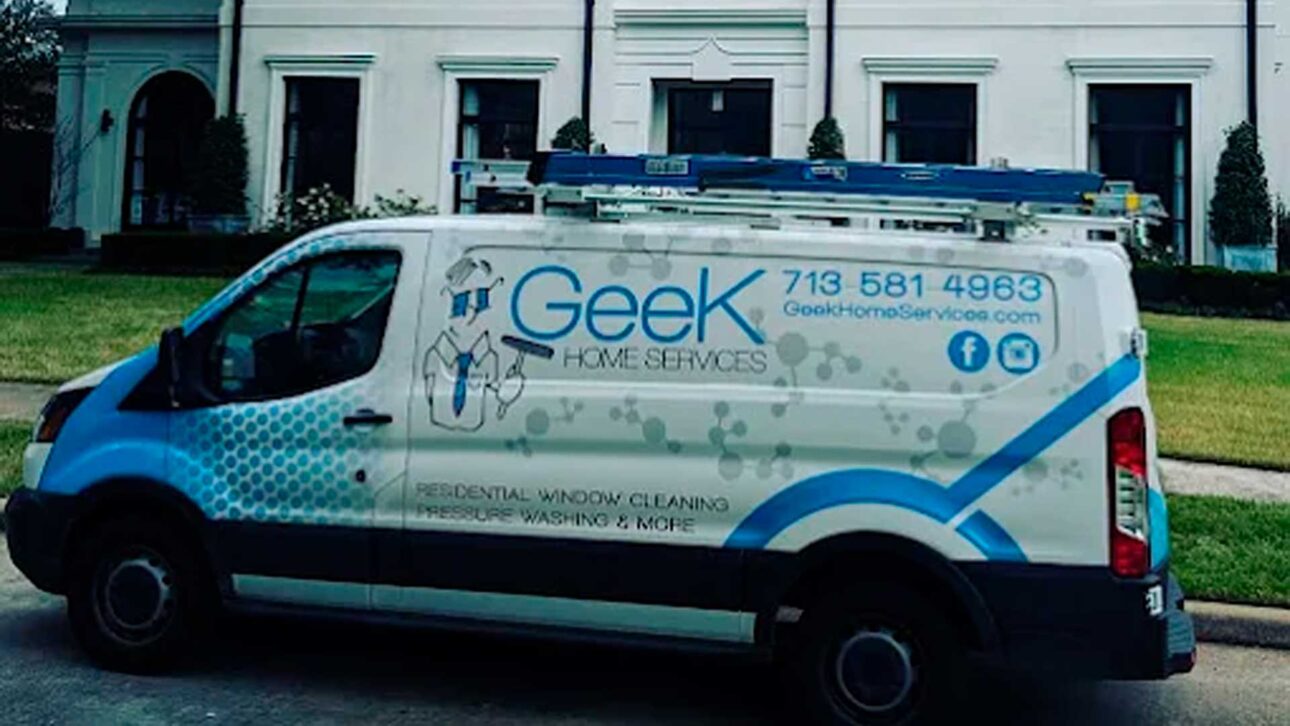
The solution was to create the Always Clean Program, known as ACP. The model works like a subscription, where the client pays a monthly fee to maintain cleaning services continuously. The price varies according to the size of the house, the frequency of services, and the chosen services.
As reported by Exame on September 22, 2025, the program includes window cleaning, gutters, roofs, and high-pressure washing. The proposal takes the client out of one-time hiring and puts the company on a predictable schedule, something more common in software businesses, gyms, and recurring domestic services.
This type of model helps the company plan its team, cash flow, and schedule. For the client, the advantage is not having to remember to hire again whenever the windows, sidewalks, or outdoor areas accumulate dirt.
Ray began testing the structure around 2015. According to the businessman himself, the model only became more mature between 2019 and 2020, when he better understood how to sell the subscription and fit the services into the clients’ routine.
The goal now is to transform a local company into an operation worth tens of millions of dollars
Geek Window Cleaning presents itself as a residential services company operating in Houston and Austin. On its official website, the company states that it primarily serves homeowners and highlights services such as window cleaning, exterior washing, driveway cleaning, and recurring maintenance.
Expansion to Dallas appears as the next step. The company also intends to reduce dependence on one-off services and increase the weight of the Always Clean Program in revenue. The more recurring clients, the greater the predictability to hire teams and open new locations.
Ray claims to have aggressive goals. The plan mentioned in the report is to reach $40 million in annual revenue in five years and, in a ten-year horizon, aim for $100 million per year. These are ambitious projections, still dependent on execution, hiring, client retention, and geographic expansion.
The trajectory, however, shows a clear market understanding. The business started with a squeegee, bucket, and direct approach but grew by combining local service, subscription, and above-basic service. Kyle Ray’s case also reinforces a simple lesson for small entrepreneurs, the service may be common, but the way of selling, delivering, and repeating the sale changes the size of the opportunity.
Would you have the courage to leave a traditional path to bet on a manual service like window cleaning? Leave your opinion in the comments and tell us if you believe subscription models can transform simple businesses into large companies.