Portuguese
  Spanish




Petrolina, in the Pernambuco Sertão, Takes Advantage of Its 330 Sunny Days Per Year to Become a Hub for Solar Energy, Irrigated Agriculture, and Sustainable Tourism, Transforming the Arid Climate into a Driver of Economic Growth.
In the midst of the aridity of the Pernambuco Sertão, Petrolina found in the sun the path to development. Recognized as the sunniest city in Brazil — with about 330 sunny days per year — the municipality has become a symbol of energy transition and sustainable innovation in the Northeast.
What was once seen as a climatic challenge is now one of the greatest competitive advantages of the region, which combines technology, agriculture, and clean energy in a growth model admired throughout the country.
Solar Energy Drives Regional Development
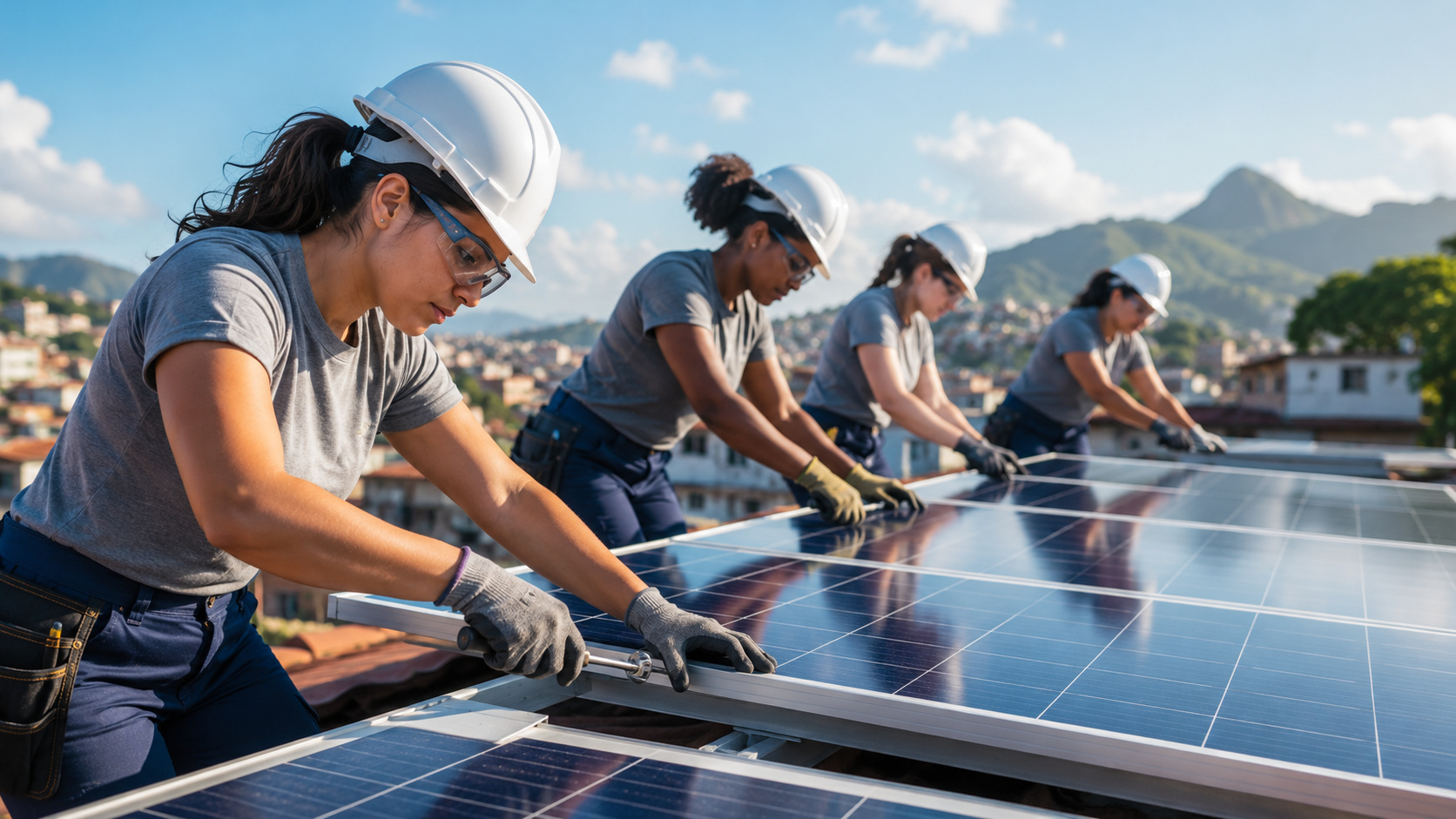
In recent years, Petrolina has started to attract significant investments in photovoltaic plants, establishing itself as one of the main hubs for solar energy generation in Brazil.
-
Solar energy can increase property value by up to 10% and become a selling point.

-
Solar and wind energy surpass natural gas for the first time in the world and accelerate energy revolution

-
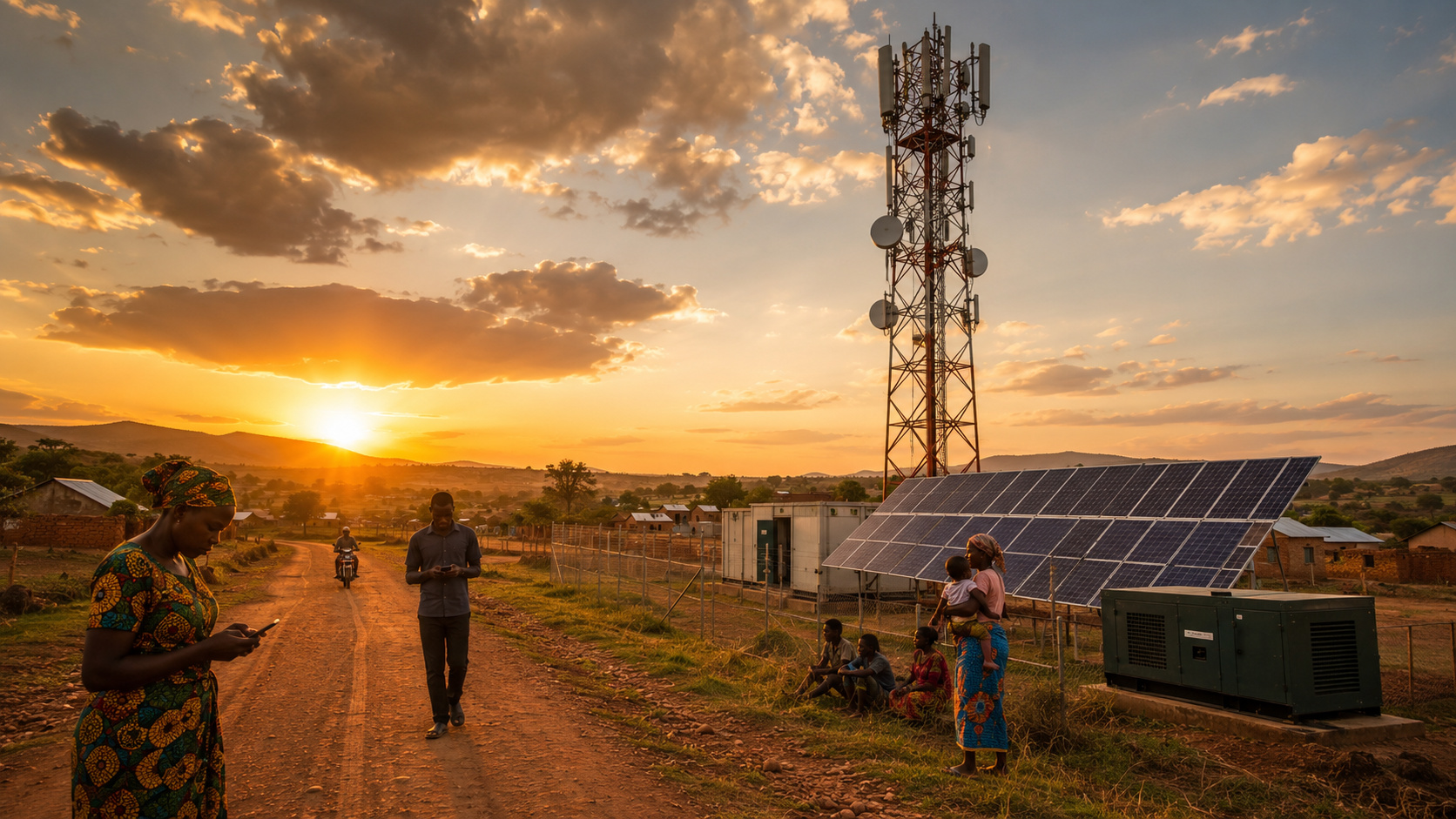
Africa has about 500,000 cell towers and most still burn diesel to operate, while companies rush to cover antennas with solar energy and avoid signal blackouts.
-
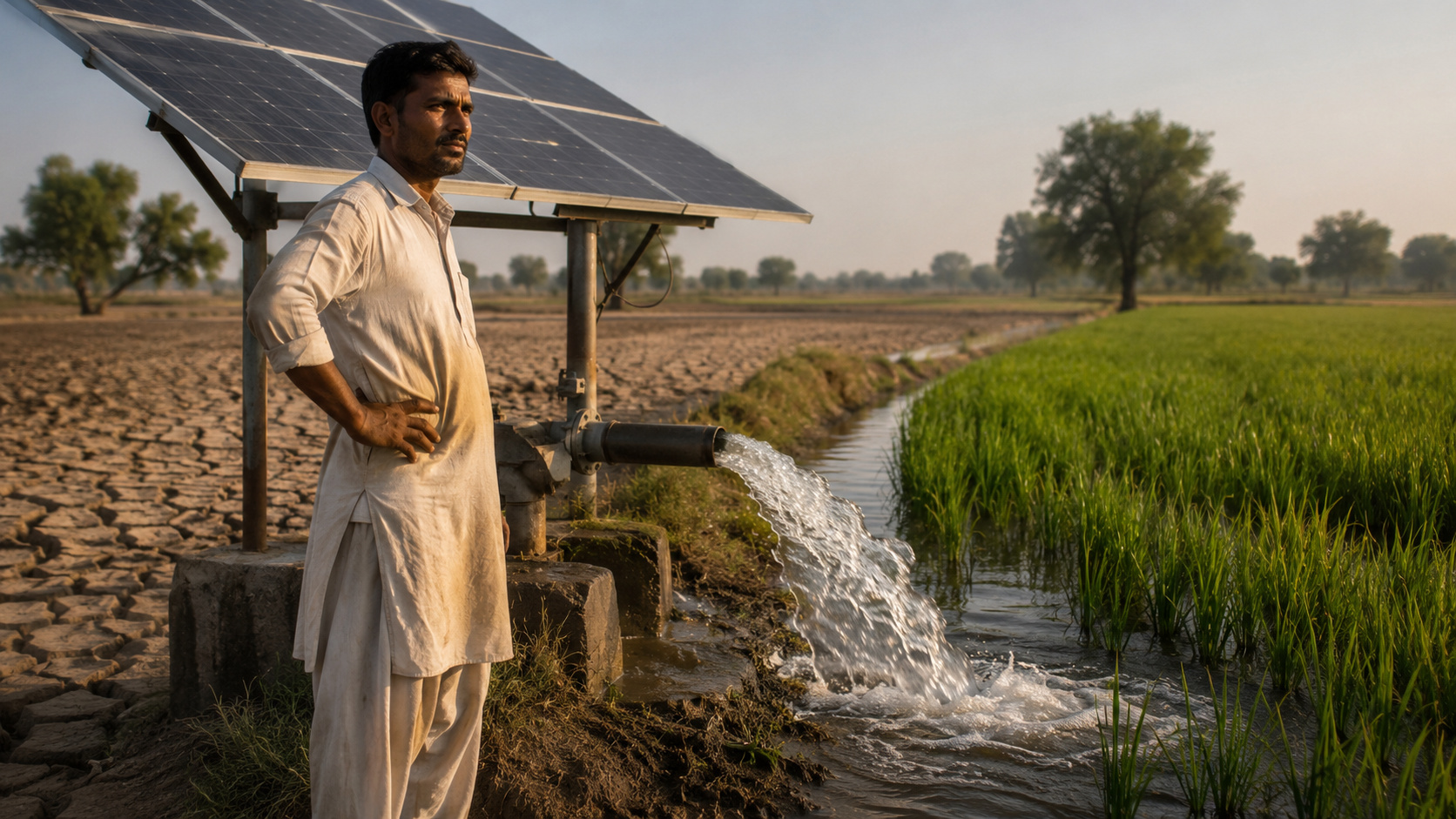
Farmers swapped diesel for solar panels in Pakistan, powered irrigation pumps almost cost-free, expanded rice fields, and now groundwater has become a red alert in the countryside.


The abundance of solar radiation and the dry climate provide ideal conditions for producing clean, low-cost electricity, stimulating the interest of both national and foreign companies.
As a result, the city has become part of the strategic map of the Brazilian energy transition, alongside other northeastern municipalities leading the advancement of renewable energy in the country.
In addition to environmental benefits, the growth of solar energy has a direct impact on job creation and local revenue, boosting sectors such as engineering, maintenance, and logistics. Thus, what was once a territory marked by climatic limitations now represents a frontier of opportunities.
Agriculture and Energy: A Virtuous Cycle in the Sertão
Alongside its energy success, Petrolina also stands out in irrigated agriculture, supported by the waters of the São Francisco River.
The city has developed one of Brazil’s most advanced irrigation systems, allowing for the continuous production of tropical fruits such as grapes, mangoes, and guavas, even under high temperatures.
This combination of agricultural technology and energy stability has transformed Petrolina into an important export center, with products that supply the domestic market and reach Europe and North America.
Solar Tourism and the New Sustainable Sertão
In addition to its prominence in solar energy and agriculture, Petrolina is emerging as a tourist destination.
The landscape bathed by the São Francisco, boat rides, the radiant sunset, and ecotourism routes reinforce the concept of a city that combines sustainability and culture.
The mix of northeastern tradition and technological modernity transforms the municipality into an example that the sertão can indeed be synonymous with prosperity and innovation.