






 Portuguese
  Spanish
 5 min of reading
  1 comment


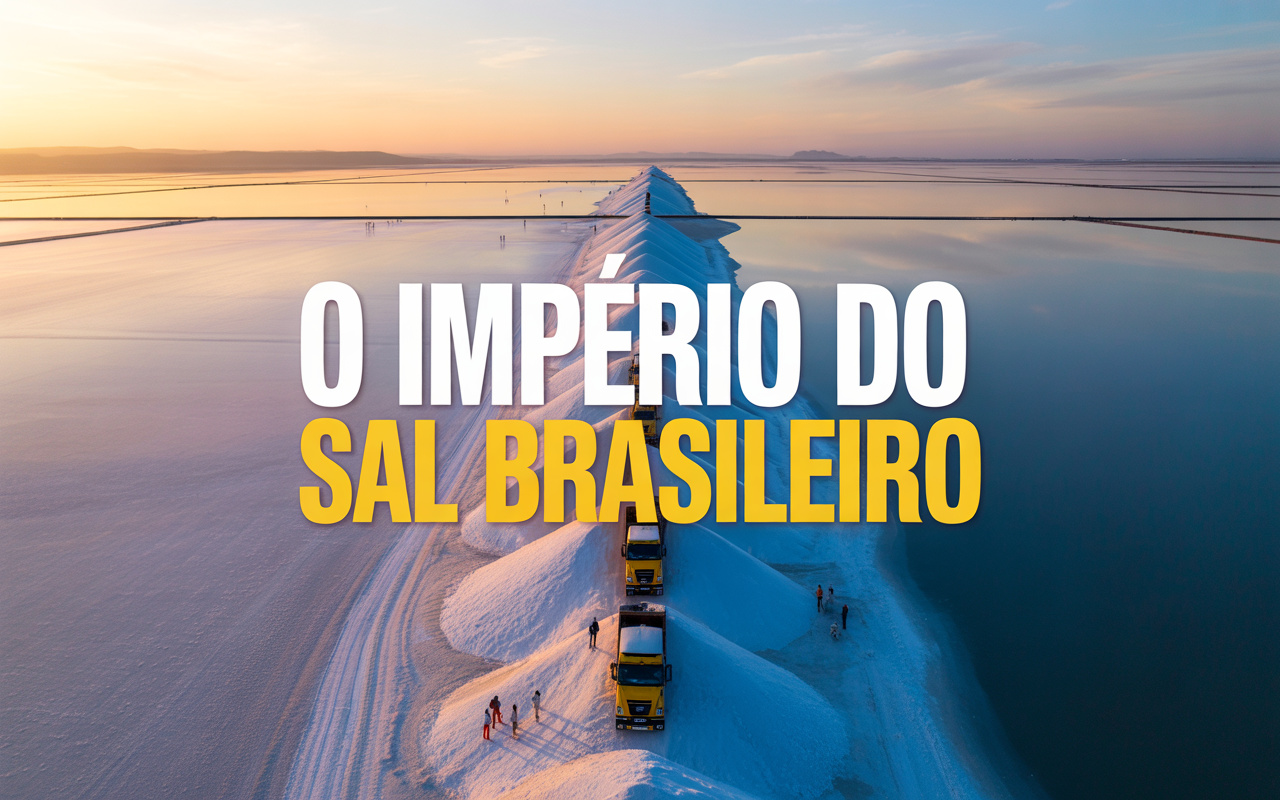


In The Heart Of Rio Grande Do Norte, The “Empire Of Brazilian Salt” Covers 400 Km², Produces More Than 4 Million Tons Per Year And Exports To Several Continents, Consolidating The Northeast As A Global Reference Of The Salt Industry.
Between The Blue Of The Sea And The Blazing Sun Of The Brazilian Northeast, There Is A Territory That Shines. Literally. It Is 400 Square Kilometers Of Salt Flats, Crystal Tanks That Reflect The Sky Where Salt Is Produced On An Industrial And Natural Scale, Thanks To The Perfect Combination Of Sun, Wind, And Sea.
This Territory, Located On The Coast Of Rio Grande Do Norte, Is Known As The Largest Producer Of Sea Salt In The Southern Hemisphere, Responsible For 95% Of All Salt Consumed In Brazil. The So-Called “Empire Of Brazilian Salt” Never Sleeps. Its Operations Run 24 Hours A Day, Driven By A Mix Of Technology, Tradition, And The Strength Of Thousands Of Workers Who Ensure National Supply And Exports To Latin America, Africa, And Europe.
From Areia Branca To Mossoró: The Territory That Shines On The Map
The Epicenter Of This Empire Is Between The Municipalities Of Areia Branca, Mossoró, And Grossos, In Rio Grande Do Norte. These Cities Form The Largest Salt-Producing Hub In The Americas, An Industrial Complex That Dominates The Potiguar Coast And Transforms What Was Once Just Mangrove Into A True Open-Air White Mine.
-
Without a mansion, without high investment, and without a traditional classroom, a teacher living in a 22 m² house taught students to build a 9 m² studio apartment with the equivalent of R$10,000.

-
Without her own home and pressured by rent, a 25-year-old bought a small 15-meter boat, gradually renovated the interior by herself, transformed the interior with paint, new flooring, a larger bathroom, and started living on the canals, paying much less per month.
-
Long before sustainable construction became a trend, China built earthen fortresses with multiple floors, a central courtyard, and the capacity to house up to 800 people living in a community.
-
He got tired of renting, bought an old school bus, removed the seats, modified the roof, reinforced everything with steel, and created a two-story mobile home that looks small on the outside but houses two bedrooms inside.




According To The Salt Extraction Industry Union Of RN (SIESAL) And The IBGE, The State Accounts For More Than 4 Million Tons Of Salt Per Year, Including Coarse, Refined, And Iodized Salt — A Quantity Sufficient To Supply All Of Brazil And Still Export To Over 20 Countries.
The Science Of Sun And Wind: How Salt Is Born In The Northeast
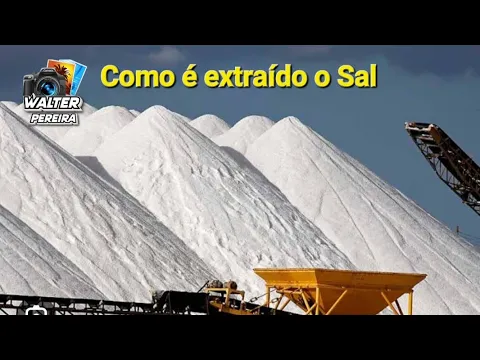
The Production Process Is A Masterpiece Of Nature Guided By Human Engineering. Sea Water Is Pumped Into Shallow Tanks, Called Crystallizers, Where The Sun And Wind Do The Main Work: Evaporating The Water Until The Salt Crystallizes Naturally.
The Region’s Climate Is So Favorable That, According To Measurements From The National Institute Of Meteorology (INMET), Rio Grande Do Norte Has 300 Days Of Sun Per Year, A Condition That Makes The Process More Efficient And Predictable Than In Any Other Place On The Continent.
After Evaporation, The Salt Is Collected By Tractors And Forklifts, Goes Through Washing And Drying Processes, And Then It Heads To The Refineries. Each Poti Salt Crystal Carries The Mark Of An Almost Perfect Balance Between Environment, Artisan Tradition, And Industrial Technology.
The Size Of A City And The Strength Of A Country
The “Salt Empire” Has The Dimensions Of A Metropolis. It Covers 400 Km² Of Productive Area, Equivalent To Three Times The Size Of Belo Horizonte, Covered By Tanks And Mountains Of Salt That Reach Up To 10 Meters In Height.
The Economic Impact Is Proportional: The Sector Generates Over R$ 2 Billion Per Year, Creates 15,000 Direct And Indirect Jobs, And Supports Hundreds Of Small And Medium-Sized Companies That Depend On The Salt Chain.
According To The Ministry Of Mines And Energy (MME), Brazil Produces About 5 Million Tons Of Salt Annually, And More Than 90% Comes From The Potiguar Coast.
Companies Like Norsal, Sal Cisne, And Salina Diamante Branco Are Among The Main Exporters, Consolidating The Region As A Global Hub Of The Non-Metallic Mineral Industry.
Century-Old Tradition And Modern Technology
The Exploration Of Salt In Rio Grande Do Norte Began In The 18th Century, With Rudimentary Methods Based On Natural Evaporation. But It Was In The 20th Century That The Sector Transformed Into An Economic Power, With Advances In Pumping Techniques, Harvest Mechanization, And Automated Refining.
Today, The Potiguar Salt Flats Operate With Satellite Monitoring Systems, Climate Sensors, And Drones, Which Help Measure Salinity, Production Volume, And Environmental Control.
Sustainability Is Another Pillar: Part Of The Energy Used Comes From Solar And Wind Sources, Two Industries That Have Also Grown In The State Driven By The Same Climate That Favors Salt.
Exports That Cross Oceans
The Potiguar Salt Is Not Limited To Brazil. Much Of The Production Is Sent To Chile, Argentina, Uruguay, Nigeria, Portugal, And Canada, Where It Is Used In Industrial Processes, Ice Melting On Highways, And Animal Feed.
The Areia Branca Island Port, One Of The Most Unique Infrastructures In The Country, Was Built Exclusively For Salt Export And Has Become A Landmark Of National Engineering. It Is The Only Island Port In Latin America, Capable Of Shipping More Than 5,000 Tons Per Hour, Serving As A Link Between The Hinterland And The Ocean.
Social And Cultural Impact: Salt As Identity
In Cities Like Mossoró And Areia Branca, Salt Is Not Just A Commodity; It Is Part Of The Culture.
The Salt Flats Influence Everything From Gastronomy To Local Handicrafts, And The Sector Is One Of The Main Responsible For Urban Infrastructure, Health, And Education In The Region.
Many Workers Come From Families That Have Lived Off Salt For Generations, And The Shine Of The White Mountains Has Become A Symbol Of Work, Resistance, And Northeastern Prosperity.
Events Like The National Salt Fair (Fenassal) Celebrate This Tradition And Attract Visitors And Investors From Various Parts Of The World.
The Challenge Of Modernization And Sustainable Future
Despite Its Grandeur, The “Salt Empire” Faces Modern Challenges. Competition With Foreign Producers And Growing Environmental Demands Force The Sector To Invest In Technology And Energy Efficiency.
Industrial Desalination Projects And The Use Of Renewable Energy Are Already Being Implemented To Make The Production Cycle Cleaner And More Competitive.
Local Companies Have Also Established Partnerships With Universities And Federal Institutes To Improve Product Quality And Develop New Industrial Applications, Such As The Use Of Salt In Batteries And Water Purification.
The “Brazilian Salt Empire” Is More Than An Industrial Hub — It Is An Example Of How The Northeast Reinvented Itself By Transforming What Was Once Just Sea And Sun Into One Of The Country’s Greatest Economic Forces.
It Shows That, Under The Intense Heat And Constant Wind, Brazil Is Capable Of Extracting Not Only Wealth But Also Innovation, Identity, And Future.
With 400 Km² Of Shining Tanks, 4 Million Tons Of Salt Per Year, And A Human Gear That Never Stops, The Potiguar Coast Remains One Of The Greatest Pride Of Brazil’s Natural And Industrial Engineering — A True White Empire Under The Sun Of The Northeast.


Eu queria ver de perto, aceita turistas como visitantes?
Sou de São Paulo tenho muita vontade de conhecer.