






 Portuguese
  Spanish
  3 min of reading
  2 comments


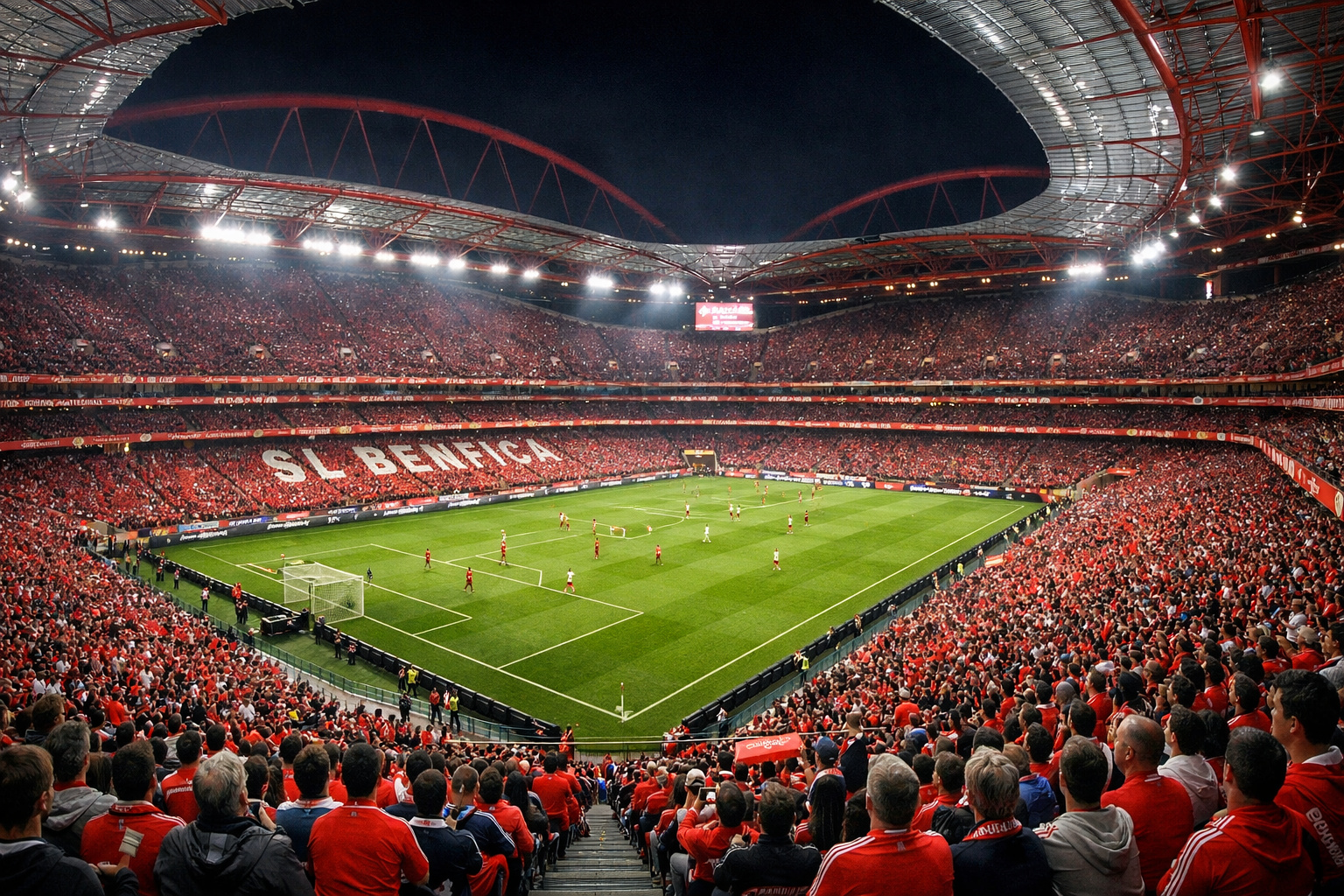


The Largest Portuguese Stadium Combines State-of-the-Art Architecture, Century-Old Benfica Tradition, Unique Sensory Experience for Fans, and Maximum UEFA Status, Becoming One of the Most Impactful Temples of Contemporary European Football
The Estádio da Luz, officially called Estádio do Sport Lisboa e Benfica, is today much more than the home of the most popular club in Portugal. With a capacity of around 65,000 fans, translucent polycarbonate roofing, and an atmosphere known for intimidating opponents, the arena has established itself as one of the most modern, iconic, and vibrant stadiums on the European continent.
Moreover, the venue is popularly known as “The Cathedral”, a nickname that did not arise by chance. On game days, the experience goes beyond the sport and takes on almost ritualistic contours, combining sound, light, tradition, and emotion in a single space.
Why Is Estádio da Luz Called “The Cathedral”?

Although its official name directly references the club, it was the fans themselves who dubbed the stadium as Cathedral. The comparison is linked to the devotion of the benfiquistas, the architectural grandeur, and the almost religious atmosphere created in the packed stands.
-
Goodbye, clothesline: new option for drying clothes utilizes walls, doors, and even room height with multiple drying levels, retractable model, and compact structure that promises to transform small laundries in 2026.

-
A discarded microwave may contain 22-carat gold in internal components; study recovered a 450 mg nugget from electronic boards.
-
Beach in the Northeast reaches a new level with a resort worth R$ 745 million, villas up to R$ 8.3 million, a complex of 2,347 hectares, and 6.5 km of beachfront in a destination still far from the hustle and bustle of Pipa.
-
Man buys abandoned luxury Mitsubishi for R$ 2,000 and performs an impossible transformation after finding the engine without oil, the car covered in mud, and even slugs; the project consumed R$ 17,000 and the final result impresses.


Before the initial whistle, one of the most famous rituals in world football occurs: the flight of the eagle Vitória. The bird flies over the entire stadium and lands in the center of the pitch, over the Benfica emblem. The moment triggers absolute silence followed by a sonic explosion, creating a clear psychological impact for both fans and opponents.
Popular tradition suggests that the behavior of the eagle predicts the game’s outcome. A swift and direct flight symbolizes an easy victory; a long, circling flight would indicate a difficult and hard-fought match.
Modern Architecture and Unique Sound Experience

Opened for the Euro 2004, the Estádio da Luz was designed with a focus on comfort, visibility, and visual impact. Its translucent polycarbonate roof allows natural light to enter during the day and creates a vibrant effect under night lighting.
Additionally, the roof functions as a true acoustic shell. The sound of the crowd is reflected back onto the field, generating a deafening acoustic that transforms the stadium into a true cauldron, often referred to as “The Hell of Light.”
This information was disclosed by institutional content from S.L. Benfica and also appears in architectural and sports analyses published by specialized outlets on sports infrastructure and European sports tourism.
Infrastructure, UEFA, and International Status
From a technical perspective, the Estádio da Luz holds the UEFA Category 4 Classification, the highest level granted by the organization. This certification allows the arena to host finals of the Champions League, high-level international matches, and major sporting events.
Not by chance, the stadium has already hosted finals of the main European club competition, as well as decisive matches in continental tournaments. The visibility of the pitch is considered excellent in all sectors, and accessibility has been designed to cater to different audiences.
Beyond football, the complex features a substantial commercial area, restaurants, official shops, and social spaces, integrating the stadium into the urban life of Lisbon.
Visiting, Museum, and Tourist Experience
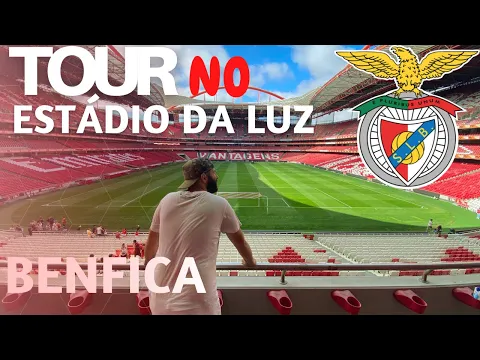
The Estádio da Luz is also one of the most visited tourist attractions in the Portuguese capital. Benfica offers daily tours, which include access to the locker rooms, players’ entrance tunnel, technical area, pitch, and press room.
The tour ends at the Benfica Museum – Cosme Damião, where historic trophies are displayed, including the two Champions League trophies won by the club. For Brazilian tourists, access is straightforward, via the Lisbon metro, at the Colégio Militar/Luz station.
According to official information from the club, the times and prices of the tours can be checked directly on S.L. Benfica’s institutional website.


O Estádio do meu BENFICA são agora 68,100 Lugares ( Número Oficial) tem vindo a ser aumentado a caminho dos 80 Mil, o projeto que agora está na câmara Municipal de Lisboa à espera de aprovação, chama-se Benfica District.
É claro que o estádio do Benfica é melhor mas a pressão em Itaquera é muito maior.