






 Portuguese
  Spanish


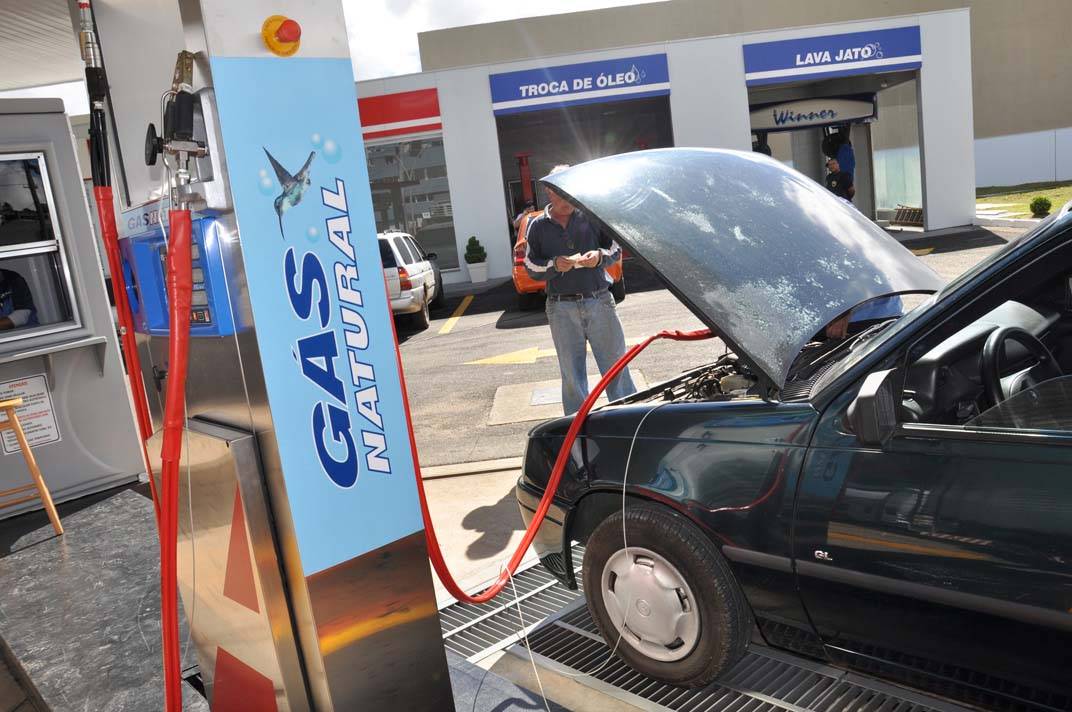

Gasoline Prices Rise and CNG Becomes Even More Affordable for Drivers
The constant increases in gasoline and diesel prices lead many Brazilians to seek alternatives to save a little. Only this year, gasoline prices have risen by 28% at the pumps. In some places in the country, the fuel is already being sold at R$ 7 per liter. With this terrible scenario, Natural Gas for Vehicles, or CNG, gains even more space as a great alternative.
As shown by the website Paraíba Já, in Campina Grande, the savings in fuel compared to gasoline reached 35%. In the Greater João Pessoa area, the savings were even greater, reaching 40%.
Data from the Paraíba Gas Company (PBGás), via the Price of the Hour report, indicates that the average price of gasoline in the capital of Paraíba was R$ 5.69, while CNG was traded at R$ 4.15.
-
Brazil to Issue “Panda Bonds” in China, Aiming to Raise Up to 5 Billion Yuan at Lower Interest Rates Than Dollar Debt
-
NATO Faces Internal Tensions as U.S. Pushes for Increased Defense Spending, Targeting 5% of GDP by 2035, with Warnings for Countries Near 2% Level

-
Brazil to Introduce B16 Diesel with Increased Soybean Oil Content for Trucks by 2026
-
Brazil’s July Bolsa Família Payments May Include Extra $150 and $50 for Families with Children, Pregnant Women, and Updated CadÚnico Registration


Is CNG Worth It?
With high gasoline prices, CNG is increasingly becoming a more affordable option. For example, based on the consumption of a popular vehicle, if it drives 3,000 km in a month, the savings with CNG compared to gasoline will be R$ 650.
To drive the same 3,000 km with gasoline, the driver will spend a total of R$ 1,592.54. In contrast, the driver with a CNG vehicle will spend only R$ 943.18.
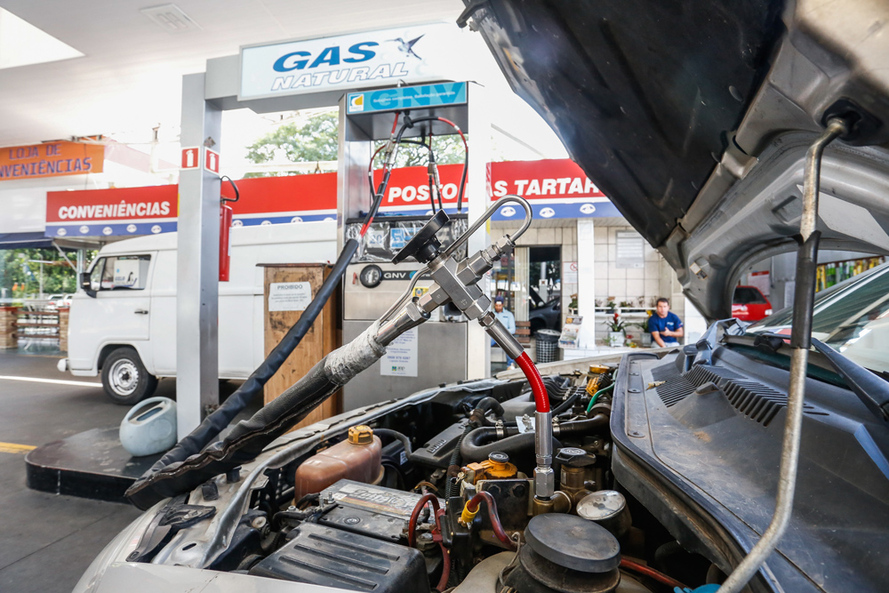
Odilson Nóbrega, technical commercial director of PBGás, spoke a little about the significant advancement of CNG in Brazil in recent years: “Today, 5th generation kits maintain the vehicle’s performance and fuel efficiency. Therefore, we recommend that conversions be done in shops accredited by Inmetro, ensuring their efficiency and safety,” explained the director.
The high fuel prices are making it difficult for many businesses that rely on transportation to operate. One of the most affected sectors has been rideshare drivers. The surge in gasoline prices is consuming drivers’ profits and leaving many unemployed.







