Portuguese
  Spanish



Increase In Gasoline Prices Leads To Gas Vehicles Being Much More Sought After In Brazil
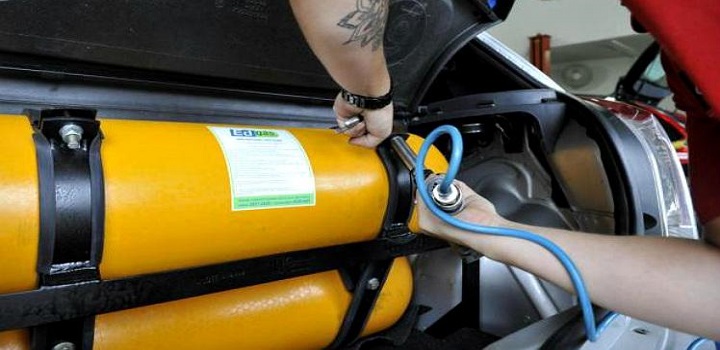
The Federation of Industries of the State of Rio de Janeiro (Firjan) raised information that installations of gas vehicle kits increased by 15% across Brazil and 11% in the state of Rio de Janeiro in just the first half of 2021. The data was collected at the request of the Union of Vehicle Repair and Accessories Industry of Rio de Janeiro (Sindirepa). The increase in gasoline prices is the main driver.
The search for GNV has increased significantly, mainly due to the uncontrollable rise in gasoline prices in 2021. So far, there have been six price hikes, with a cumulative increase of 54% at refineries. Because of this, GNV gains even more strength as a great alternative to cut costs for maintaining a vehicle in 2021.
GNV is increasingly used due to its much lower cost per kilometer compared to gasoline. Firjan highlights that for every real spent on gasoline, drivers can travel two and a half times more with GNV. The federation also emphasizes that GNV is much more sought after in Rio de Janeiro, with 75% of the gas market in the state.
-
Qantas and Airbus Invest in Company Aiming to Convert Unsorted Household Trash into Jet Fuel

-
Brazil’s ANP Opens 86 New Oil Blocks in the Equatorial Margin, Expanding the Amazon River Mouth Frontier

-
OPEC+ Boosts Oil Supply by 188,000 Barrels per Day in July 2026, Leading to Price Drop from $112 to $89 per Barrel in Under Two Months

-
TotalEnergies Signs 20-Year Deal to Purchase 2 Million Tons of LNG from Alaska, Boosting Project Viability
Increase In Fuels Leads To Surge In Demand For GNV In Brazil
”GNV in Rio is a success story because it’s not just about the IPVA discount that makes it more attractive. There is also the reduction of polluting levels for society”, emphasized Mattos in a statement on the Portalviu website, the vice-president of Firjan. One of the reasons for the greater use in Rio de Janeiro is due to tax incentives. GNV vehicle owners receive a discount on IPTA in several states, but the discount in Rio is much larger.
Carlos Mattos also highlights that the growing demand for GNV creates jobs in the sector: ”When there is an increase in demand for installations, it generates new jobs and, consequently, more revenue and income for the state. In other words, it is a virtuous cycle”.