Portuguese
  Spanish


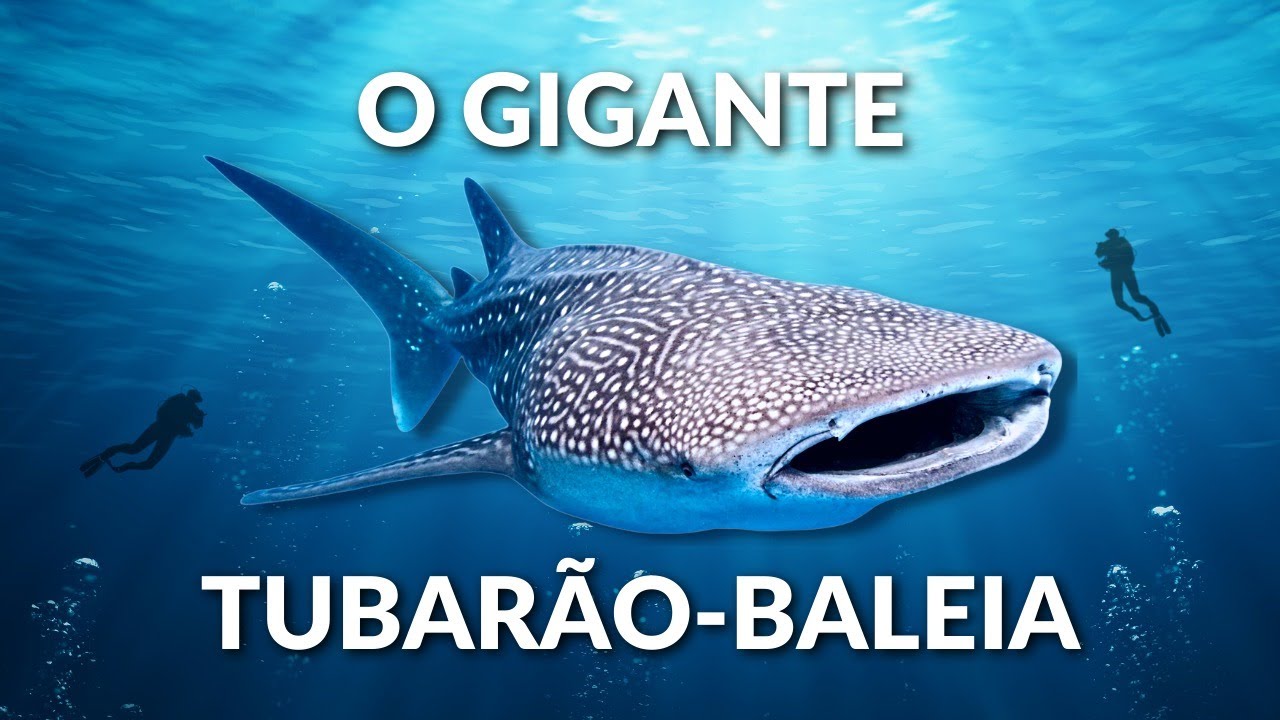


The Whale Shark Is The Largest Saltwater Fish In The World, Reaching Up To 18 Meters And More Than 30 Tons, Dominating The Oceans Like A Living Colossus.
When it comes to ocean giants, many people immediately think of whales. But the largest fish currently living in the planet’s seas is not a mammal; it is the whale shark (Rhincodon typus). With dimensions rivaling those of city buses and a mass comparable to dozens of cars, it alone occupies the absolute top among all known fish. This is the largest saltwater fish in the world!
Despite its imposing appearance, it is one of the most peaceful animals in the marine world, which makes its size even more surprising.
The Largest Saltwater Fish Ever Recorded
The whale shark can reach lengths exceeding 18 meters in extreme records, with an estimated weight above 30 tons. Even “smaller” individuals, measuring 10 to 12 meters, already surpass any other living fish in body scale.
-
India’s Sugar Export Cuts and Ethanol Shift Amid El Niño Threat Could Impact Global Prices and Stocks

-
Quarantine Pest Threatening Palm Trees Puts Brazilian Authorities on Alert, Prompts Monitoring at University of Taubaté and Potential Control Measures Across São Paulo
-
Global Alert: Report Finds 159 Pesticides in Coffee Beans Sold in Europe, Posing Serious Risks to Millions of Farm Workers
-
Low-Demand Brazilian Beef Offal Gains Popularity Abroad: Indonesia Purchases $19.5 Million, Boosting Revenue and Reducing Waste





No other marine species classified as fish comes close to this combination of length, volume, and mass. It surpasses famous sharks, like the great white, and leaves behind giant bony fish, such as the sunfish.
An Anatomy Made For Gigantism
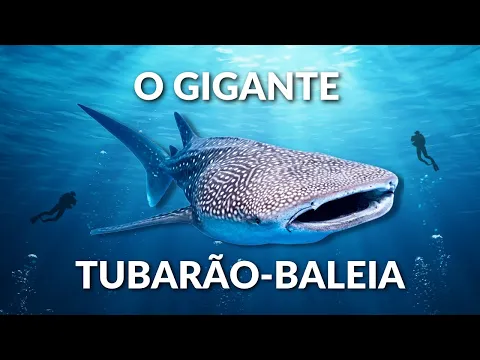
The body of the whale shark is wide, robust, and extremely hydrodynamic. Its flattened head houses a gigantic mouth, which can exceed 1.5 meters in width, equipped with hundreds of tiny teeth that are almost useless for chewing.
The true weapon of this colossus is not its bite, but its filtering system, which allows for capturing enormous volumes of microscopic food effortlessly. Its pectoral and caudal fins are proportionally gigantic, ensuring stability and efficiency in movement, even at such an extreme size.
How A Giant Feeds Without Being A Predator
Unlike what many imagine upon hearing the word “shark,” the whale shark does not hunt large prey. It primarily feeds on plankton, krill, fish eggs, and small organisms, filtering tons of water per hour.
This type of feeding explains how the species can sustain such a large body without directly competing with top predators. It is the same principle that allows blue whales to grow so large — although, biologically, they belong to completely different groups.
Global Distribution And Impressive Migrations
The whale shark lives in tropical and subtropical oceans all over the planet. It is common to find it in nutrient-rich areas, such as coastal regions, reefs, archipelagos, and marine upwelling zones.
Studies with satellite tracking show that some individuals travel thousands of kilometers throughout the year, crossing entire oceans on migratory routes that are still poorly understood. Even with its colossal size, it is a constant and tireless swimmer.
Why The Whale Shark Has No Natural Predators
Adults practically have no predators. Their extreme size makes any attack unfeasible. Only juveniles can occasionally be targeted by large sharks or orcas, but this is rare.
In practice, the only major risk for the species today is humans, whether from collisions with vessels, accidental fishing, pollution, or degradation of marine habitats.
The Difference Between The Largest Fish And The Largest Animal On The Planet
It’s important to separate concepts. The whale shark is the largest fish in the world, but not the largest animal that has ever existed. That title belongs to the blue whale, a marine mammal.
The distinction is scientific: fish breathe through gills and have a completely different physiology from mammals. Within the group of fish, however, the whale shark reigns supreme, with no competitors.
A Giant Threatened Despite Its Size
Even being a colossus, the whale shark is classified as an endangered species. Its reproduction is slow, growth takes a long time, and sexual maturity only occurs after many years.
The combination of extreme size and docile behavior makes it vulnerable to human exploitation, which has led several countries to create protected areas and specific rules for tourist observation.
The whale shark is a living proof that nature still operates on scales that challenge human imagination.
With lengths of up to 18 meters and dozens of tons, it not only dominates the oceans as the largest saltwater fish on the planet but also symbolizes the balance between gigantism and delicacy.
A true living colossus that silently traverses the seas, reminding us that not every giant needs to be a predator to reign supreme.