Portuguese
  Spanish


Peugeot e-208 GT 2025 Arrives in Brazil with 400 km of Range, Consumption of 8.1 km/kWh, and a Price Close to R$ 180 Thousand. See Details of the Electric Hatch from Stellantis.
In an increasingly accelerated energy transition scenario, Stellantis bets on sophistication and efficiency with the Peugeot e-208 GT 2025, its new electric hatch that combines high range, modern design, and cutting-edge technology. Equipped with a 50 kWh battery and an average consumption of 8.1 km/kWh, the model delivers an estimated real range of up to 400 km per charge, making it one of the highlights in the premium electric compact segment. However, sophistication comes at a price: the model’s value approaches R$ 180 thousand, which raises the debate about cost-benefit and accessibility in the market for Peugeot electric cars in Brazil.
Peugeot e-208 GT: The Electric Hatch from Stellantis with Performance and Sophistication
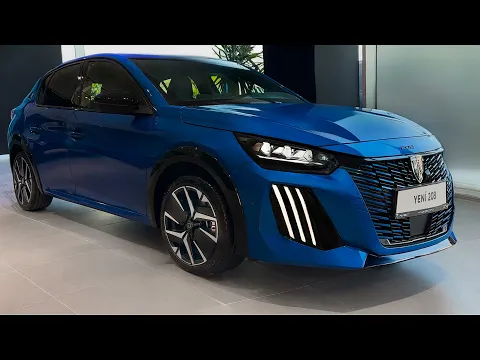

Stellantis, one of the largest automotive conglomerates in the world, brings to Brazil the electric Peugeot e-208 focused on urban consumers who prioritize efficiency, connectivity, and zero emissions of pollutants.
The model is manufactured in Slovakia and imported to the Brazilian market with a 136 hp (100 kW) engine and immediate torque of 26.5 kgfm, characteristics that make it agile in urban traffic and stable on highways. Read also: Toyota Launches Hybrid Car That Achieves 25 km per Liter and Costs Equivalent to R$ 120 Thousand, But There’s a Catch: It’s Only Available in the USA
-
Banco do Brasil and Uber Launch Cashback Program Offering Up to 3.5 Loan Installments Back, Drivers Gain Access to New Cars Worth Up to $30,000 Through Move Brasil Initiative

-
Looking for a Car for Dirt Roads? Fiat Uno, Strada, and Volkswagen Gol Offer Durability and Affordability

-
MG Motor to Produce Two Electric Cars in Brazil with $75 Million Investment, Creating 600 Jobs
-
Nissan Kicks S Direct 2018: Affordable Used SUV with Over 13 km/l Fuel Efficiency, 432-Liter Trunk, and CVT Automatic Transmission


With acceleration from 0 to 100 km/h in 8.3 seconds and a top speed electronically limited to 150 km/h, the hatch positions itself as an interesting alternative for those seeking a Peugeot electric car with a sporty touch, yet focused on energy efficiency.
Electric Consumption e-208: 8.1 km/kWh and Reference Efficiency in the Segment
The electric consumption data of the e-208 is one of the most attractive in its category. According to Inmetro, the model achieves 8.1 km/kWh in combined urban and road use, which represents a performance above average compared to direct competitors like Renault Kwid E-Tech (7.2 km/kWh) and the JAC E-JS1 (6.8 km/kWh).
This index means that, with the 50 kWh battery fully charged, the model can reach up to 405 km under ideal conditions — although the official homologated range by the WLTP cycle is 362 km.
In Brazilian urban practice, with variations in terrain, traffic, and air conditioning use, real range usually stands around 350 to 400 km, according to tests conducted by specialized publications like Motor1 and Quatro Rodas.
Electric Hatch Range: 400 km with a Single Charge
The range of the Peugeot e-208 GT electric hatch is sufficient to cover long distances without the need for immediate recharging, which addresses one of the main consumer concerns: the so-called “range anxiety.” For users who drive about 40 to 60 km per day, it is possible to drive the entire week with just one full charge.
Moreover, the energy regeneration system (regenerative brakes) improves efficiency in urban segments, slightly increasing range in situations of heavy traffic, typical of major Brazilian capitals.
The Peugeot e-208 GT 2025 offers multiple charging options, compatible with household outlets (emergency), residential wallboxes, and fast DC chargers. Stellantis recommends using a 7.4 kW Wallbox charger, which allows for full charging in about 7 hours.
At public charging stations with 100 kW fast chargers, the battery can reach 80% in approximately 30 minutes, making it quite functional for trips or emergency recharges.
Price e-208 GT 2025: Affordable or Exclusive?
The price of the e-208 GT 2025 varies between R$ 165 thousand and R$ 180 thousand, depending on the dealership, region, and local tax incentives. This positions the model as a premium electric compact, aimed at a higher purchasing power audience seeking performance, status, and low emissions.
Despite the high investment, Stellantis bets on the global trend of electrification and the technological differentiation of the model — which features an ADAS package, panoramic roof, i-Cockpit 3D dashboard, full LED headlights, autonomous braking, blind-spot sensors, and connectivity with wireless Apple CarPlay and Android Auto.
Design and Embedded Technology: An Electric with a Sports Soul
The Peugeot e-208 GT has a striking appearance, with a closed black front grille, LED claw-shaped light signature, and 17-inch diamond-cut wheels. Inside, the highlight goes to the dashboard with a 10″ digital 3D screen, soft-touch material finishes, and customizable ambient lighting.
The i-Cockpit, an exclusive system from the brand, provides a sportier driving position, with a compact steering wheel and elevated dashboard, offering an engaging driving experience, rare in the urban electric segment.
Stellantis, the parent company of Peugeot, Citroën, Fiat, Jeep, and 10 other brands, aims to lead the sustainable mobility market in Latin America. In an official interview, executives of the group stated that Brazil will be one of the main focuses of investment in electric mobility, with plans to nationalize the production of electric vehicles and expand the specialized after-sales network.
The e-208 GT is therefore more than just a product: it is the entryway of Stellantis into the Brazilian electric journey. The company is already planning to introduce more hybrid and electric models between 2025 and 2030.
Competition in Brazil: Where Does the e-208 Stand?
The Peugeot e-208 electric car directly competes with models such as:
- Renault Kwid E-Tech (R$ 139 thousand)
- BYD Dolphin (R$ 149 thousand)
- Mini Cooper SE (R$ 230 thousand)
- JAC E-JS1 (R$ 126 thousand)
- Fiat 500e (R$ 199 thousand)
Although it is more expensive than some Chinese rivals, the Peugeot e-208 GT delivers a superior level of finish, connectivity, and drivability — attributes valued by consumers seeking differentiation and refined urban performance.
Energy Infrastructure and Challenges of Electric Mobility
The advancement of the energy infrastructure in Brazil is still a limiting factor for the popularization of electric vehicles. Despite the growth of the public charging network (which has doubled in two years), there is still concentration of charging stations in capitals like São Paulo, Rio de Janeiro, Curitiba, and Brasília.
Stellantis has partnered with companies such as Enel X and WEG to expand the residential and public charging network, creating a favorable ecosystem for the daily use of the model.
Various Brazilian states offer exemption or reduction of IPVA for electric vehicles, which can represent significant savings over the years. In São Paulo, for example, the discount reaches 50% of the full value, and there is a refund of up to R$ 3,000.
In addition, in some capitals, electric cars have benefits such as free access to traffic restrictions, preferential parking, and exclusive bus lanes, which adds value to the purchase of the Peugeot e-208 GT.
Maintenance and Warranty
The maintenance of electric vehicles tends to be simpler and less costly than that of combustion models, as they have fewer moving parts, no traditional transmission, exhaust, or engine oil.
The e-208 GT comes with a total warranty of 3 years and 8 years for the high-voltage battery, covering up to 160,000 km — a standard similar to that adopted by leading brands in electric mobility.
The Peugeot e-208 GT 2025 is one of the best options for those seeking a premium urban electric hatch, with excellent range, good performance, and a sophisticated appearance. Its efficient consumption of 8.1 km/kWh combined with the 50 kWh battery offers real range of up to 400 km, surpassing direct rivals.
However, the price close to R$ 180 thousand still restricts access to higher purchasing power consumers. Still, it is undeniable that the model reinforces Stellantis’ role in the clean energy infrastructure landscape and in leading renewable automotive energy in Brazil.
With increasing incentives, expanding charging infrastructure, and rising environmental awareness, the Peugeot electric car represents an important step towards a more sustainable urban future — and silently sophisticated.