






 Portuguese
  Spanish


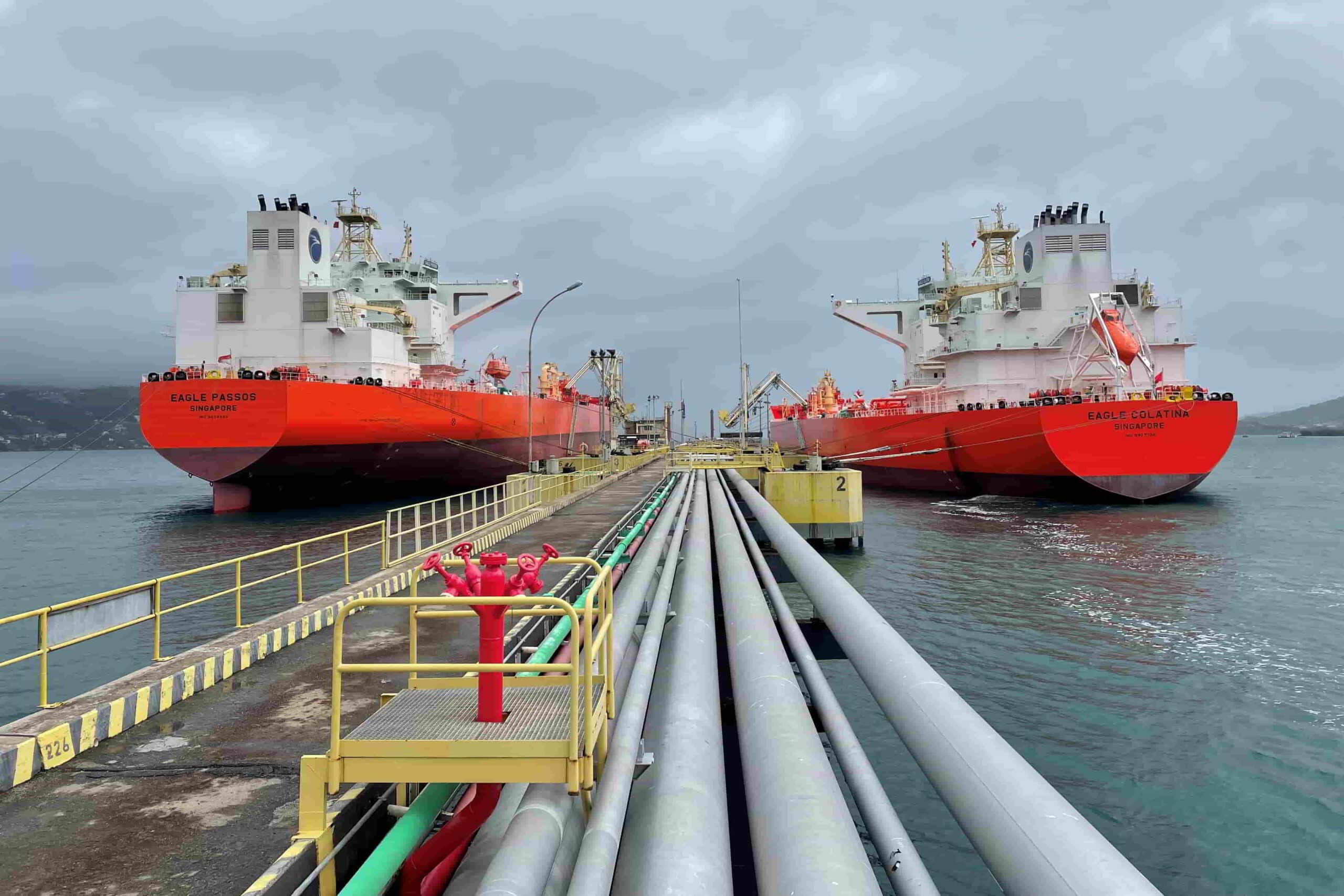

MR2 Ships Operate in Cabotage, Import, Export, and Deepwater and Ultra-Deepwater Platform Offloading Operations Transporting Oil
Petrobras announced in a relevant fact on Wednesday (06/16) that it has received in Brazil the Suezmax DP2 Eagle Colatina offloading ship, the first of three Eco Type ships built to reinforce the fleet of more sustainable ships for offloading oil platforms operated by Petrobras, with a capacity to transport 50,000 tons of petroleum derivatives such as diesel and gasoline.
With a gross tonnage of 155,000 deadweight tons, the Eagle Colatina, which docked at the Port of Rio de Janeiro at the end of May, is built with eco-efficient technologies and will contribute to reducing carbon emissions in maritime transportation, in addition to strengthening the fleet of offloading ships at a strategic moment for the company, adding operational safety, reliability, and value to Petrobras’s offloading operations.
Petrobras Will Receive Two More Sustainable Ships for Its Offloading Fleet by Year-End
In addition to the Eagle Colatina, Petrobras will receive two more sustainable vessels for its offloading fleet – the Eagle Cambe and the Eagle Crato, which will be delivered by the end of this year.
-
With a record production of nearly 3 million barrels per day, Petrobras resumes importing diesel in July, highlighting the bottleneck in Brazilian refining.

-
Qantas and Airbus Invest in Company Aiming to Convert Unsorted Household Trash into Jet Fuel

-
Brazil’s ANP Opens 86 New Oil Blocks in the Equatorial Margin, Expanding the Amazon River Mouth Frontier

-
OPEC+ Boosts Oil Supply by 188,000 Barrels per Day in July 2026, Leading to Price Drop from $112 to $89 per Barrel in Under Two Months
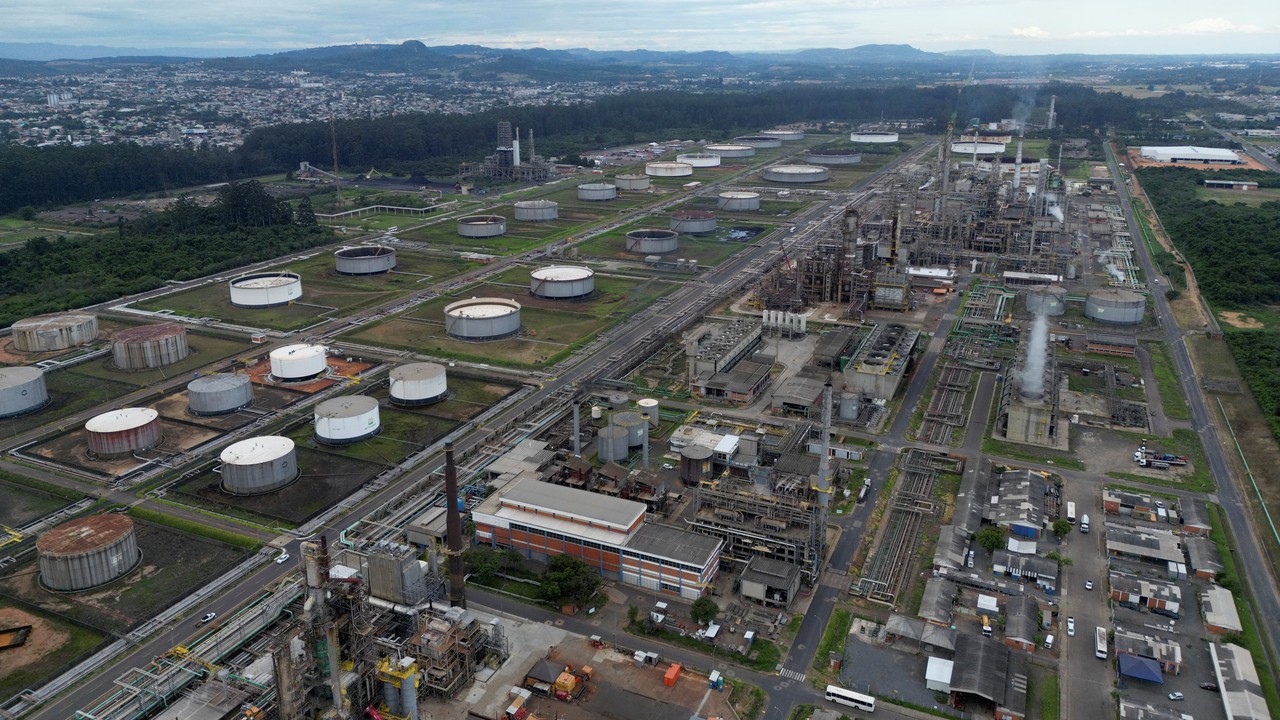

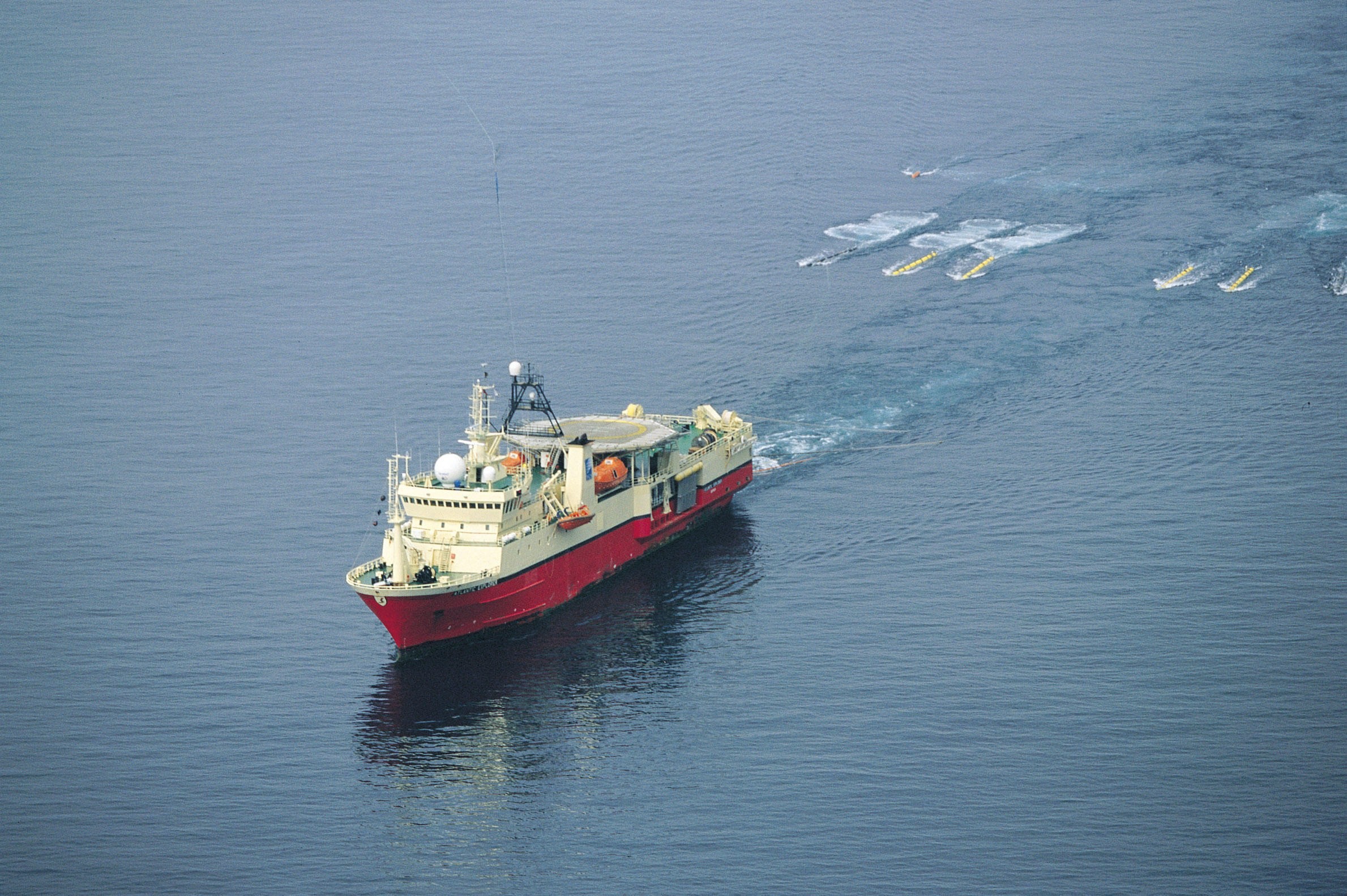

Petrobras has been investing in the hiring of sustainable ships, known as Eco Type, which now represent about 37% of the fleet of ships contracted by the company. These vessels have been built since 2015, with improved construction designs to comply with the energy efficiency improvement measures established by the International Maritime Organization (IMO), aimed at reducing fuel consumption and greenhouse gas emissions in the atmosphere.
This reaffirms the company’s commitment to reducing greenhouse gas emissions by 25% by 2030 and achieving neutrality in these emissions in operations under its control.
The difference lies in the technologies applied in the construction of these ships, with equipment and engines designed to assist in energy savings and an improved design that allows for reduced vessel weight and water resistance.
MR2 Ships Capable of Transporting an Average of 50,000 Tons of Petroleum Derivatives Such as Diesel, Gasoline, and Fuel Oil.
According to a study conducted for the MR2 class of ships, capable of transporting an average of 50,000 tons of petroleum derivatives, an average reduction in fuel consumption of about 24% per ton x mile was observed when compared to conventional vessels of the same class.
These ships operate in cabotage, import, export, and deepwater and ultra-deepwater platform offloading operations along the Brazilian coast, transporting oil and derivatives such as diesel, gasoline, and fuel oil.
“Eco Type ships are increasingly being utilized in our fleet, and our teams have been seeking new options to reduce emissions, as well as structuring chartering models that promote vessel efficiency, as part of the company’s decarbonization strategy,” says Rafael Noac, Petrobras’s Executive Logistics Manager.
“This is a global trend, and other companies are expected to adapt in the coming years. With the implementation of new regulations for maritime transport decarbonization by the IMO, set to take effect from 2023, all conventional vessels will need to make some type of technical modification to become more sustainable,” adds Rafael Noac.







