Portuguese
  Spanish


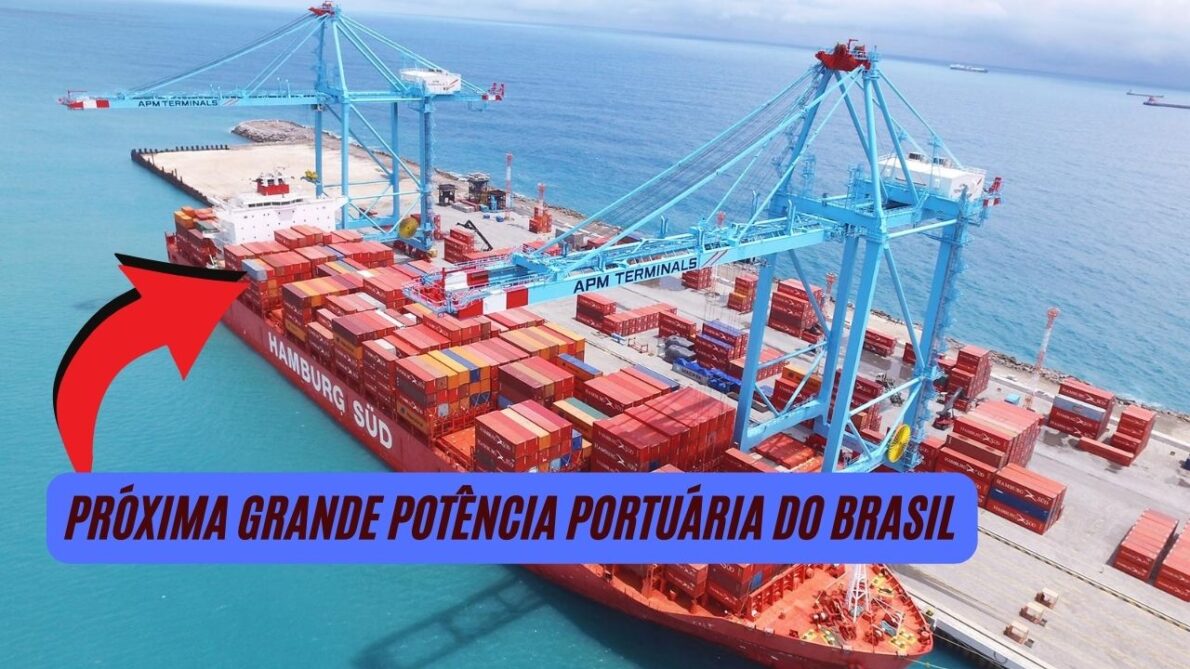

Imagine a Colossus by the Seaside, a Port That Grows Continuously and Attracts International Investors as If It Were a Rare Gem! This Is the Port of Pecém in Ceará, Which Many Already Consider the Next Major Port Power in Brazil, Capable of Competing on Equal Terms with the Ports of Santos and Suape. It Is Not an Exaggeration to Say That Pecém Has Everything to Redefine Brazilian Foreign Trade. But What Exactly Is Driving Pecém, and Does It Really Have Conditions to Surpass the Giants?
Since the Beginning of Its Operations in 2001, the Port of Pecém Is Synonymous with Innovation and Strategic Development. Located Approximately 60 Km from Fortaleza, Pecém Boasts an Impressive Infrastructure: Advanced Cranes Capable of Berthing Up to 10 Ships Simultaneously, a Free Trade Zone (ZPE) That Reduces Costs for Companies, and a Special Focus on the Export of Green Hydrogen, Placing Ceará on the Map of Renewable Energies.
The Pecém ZPE, in fact, Offers Tax Incentives That Can Reduce Costs by Up to 40% for Companies Operating in Various Sectors, Especially Those Interested in Clean Energy. It Is No Surprise That Countries Like the Netherlands, Recognizing Pecém’s Potential, Have Decided to Invest and Form Partnerships. With the Support of Rotterdam, One of Europe’s Largest Ports, Pecém Is Receiving Technology and Expertise That Differentiate It from National Competitors.
Green Hydrogen: The Energy Revolution of the Port of Pecém
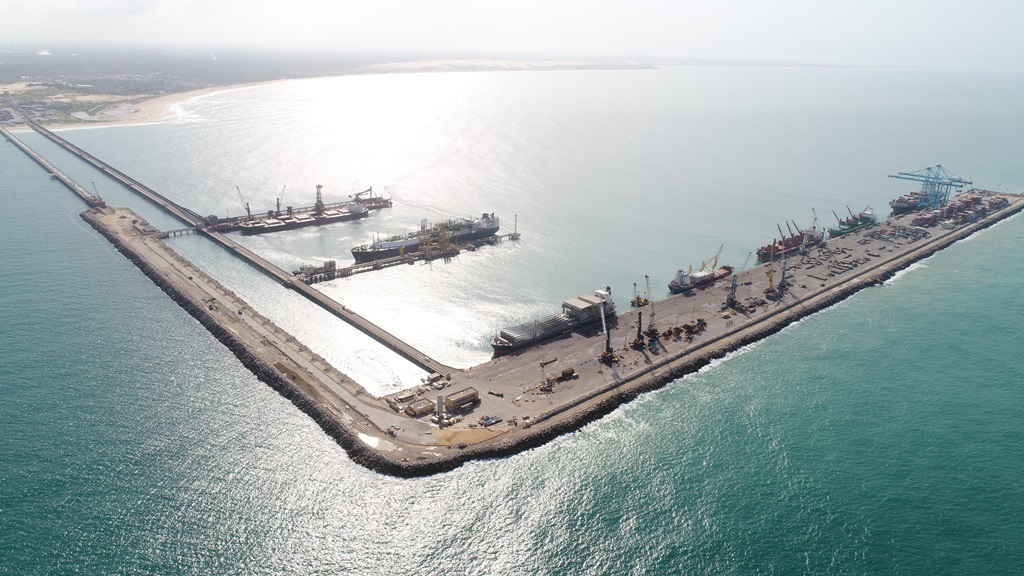
One of the Most Exciting Initiatives of the Port of Pecém Is Its Position as an Emerging Center for Green Hydrogen in Brazil. Betting on the Production of Clean and Renewable Energy, Pecém Is Eyeing International Markets Interested in Sustainable Energy Sources. Thanks to Constant Winds and Intense Sunlight, Ceará Offers Ideal Conditions for the Development of Green Hydrogen, a Product That Is on the Port’s Export Priority List.
-
Three Chinese companies manufacture more than 96% of the world’s dry cargo containers and 100% of refrigerated ones, in a dominance built over 40 years that has made it almost impossible for the West to compete in this market.

-
The Panama Canal stores water in Gatún and Alhajuela lakes to maintain 38 daily crossings and prevent a drought linked to El Niño from once again stalling ships, raising freight rates, and putting pressure on global supply chains as occurred in 2023 and 2024.

-
While the US Navy still relied for decades on the subsonic Harpoon and Tomahawk missiles for naval combat, the US Air Force reactivated the AGM-183A ARRW program on May 12, 2026, in an anti-ship version capable of making a Nimitz-class aircraft carrier disappear in minutes.

-
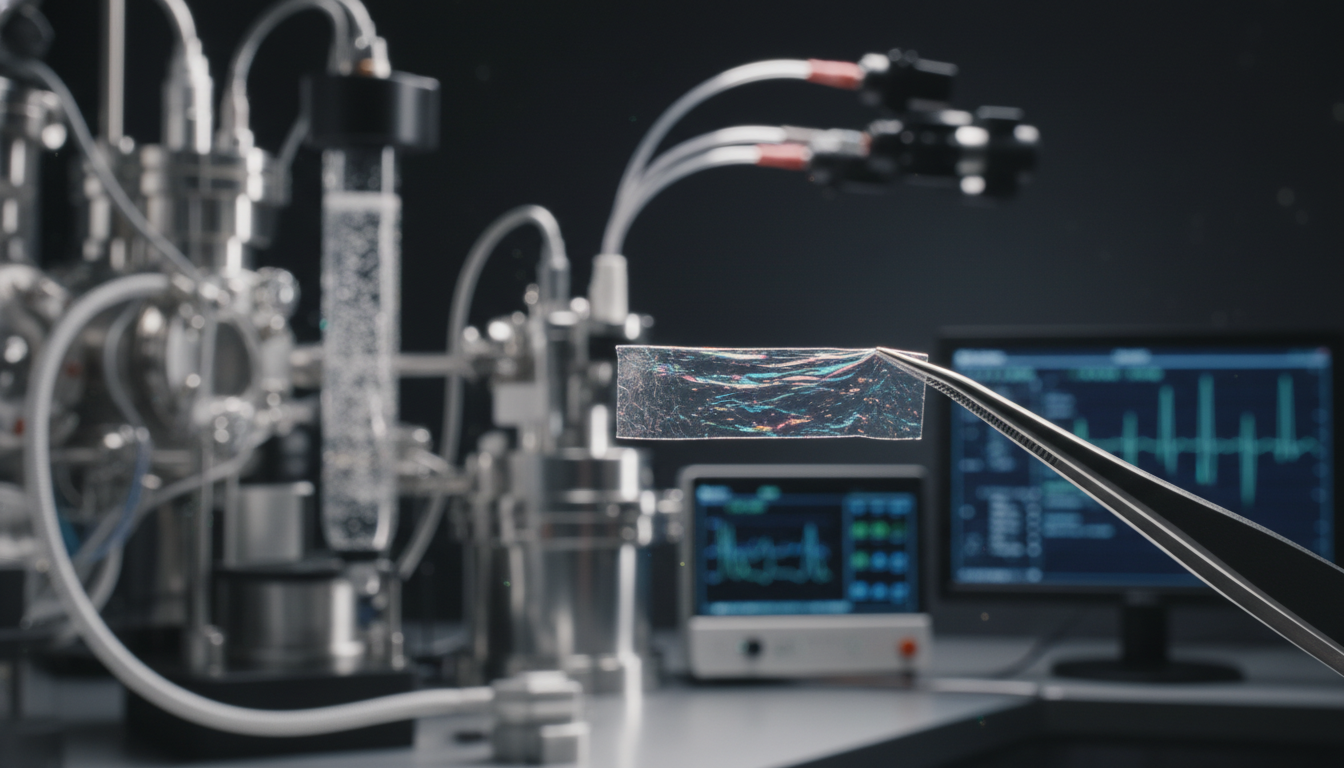
While commercial hydrogen fuel cells do not exceed 80 degrees Celsius due to the requirement of liquid water in the membranes, researchers at Monash University on May 18 made an ultrathin graphene and boron nitride-based membrane operate at 250 degrees Celsius without needing water.


This Commitment to Green Energy Represents an Advancement for Both the Economy and the Environment, Placing Pecém Ahead of Other Ports That Have Yet to Explore the Potential of Hydrogen. This New Area of Activity Could Change the Course of Energy Trade and Bring Competitive Advantages to Ceará.
Comparison with the Ports of Santos and Suape
There Is No Denying That the Port of Santos, the Largest in Brazil, and the Port of Suape, in Pernambuco, Still Are References in the National Port Scenario. Santos Is the Main Hub for the Export of Various Goods, While Suape Plays an Important Role for the Northeast Market. However, the Port of Pecém Is Entering the Game with Powerful Differentiators.
Pecém Has a Strategic Location That Facilitates Trade with North America, Europe, and Even Asian Markets. Additionally, Investment in Innovation, Such as the ZPE and International Partnerships, Ensures a Competitiveness That Few Brazilian Ports Can Match. As Pecém Grows, It May Capture a Significant Share of Trade, Leading Companies to Consider Alternatives to the Ports of Santos and Suape.
Economic Benefits and Impact for Ceará
The Impact of the Growth of the Port of Pecém Is Deep and Goes Beyond the Borders of Ceará. With the Increase in Operations, There Is Also a Significant Generation of Direct and Indirect Jobs. Exports of Fruits, Such as Melons, and Other Agricultural Products from the State Are Increasing, with Pecém Facilitating Access to These Items in International Markets.
The Development of the Port Also Boosts the Local Economy and Attracts More and More Foreign Investors, Strengthening the Logistics and Industrial Sector in Ceará.
For Brazilian Trade, the Rise of the Port of Pecém Represents a Diversification of Export Routes, Which Could Reduce Costs and Improve National Logistical Efficiency. This Opens Doors for the Northeast, Especially Ceará, to Stand Out in the Global Port Scenario.
Will the Port of Pecém Really Surpass the Ports of Santos and Suape?
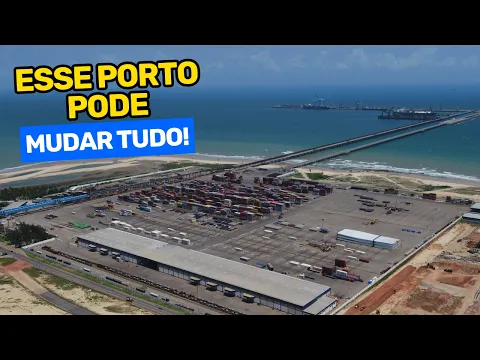

With Constant Growth, Tax Incentives, and Technological Innovation, the Port of Pecém Is More Than Prepared to Compete with the Ports of Santos and Suape. However, to Dethrone the Giants, It Will Need to Maintain the Investment Pace and Expand Its Infrastructure to Keep Up with the Growing Demand for New Routes and Products. Investing in Green Energy Is a Promising Strategy and May Be the Necessary Differentiator to Consolidate Pecém as a Leader in Sustainability and Innovation.
In the Near Future, the Port of Pecém May Indeed Rival the Largest Ports in Brazil and Secure an Even Larger Share of the Global Market. Until Then, What We Know Is That Ceará Is About to Transform the Brazilian Port Landscape, Driven by the Giant That Is the Port of Pecém.
The Port of Pecém Is Proof That the Northeast Can Indeed Be the Protagonist of Major Logistical and Energy Advances in Brazil and Beyond. Let Us Await the Next Chapters to See If the “Giant of the Northeast” Will Achieve Its Place Among the Greatest.