Portuguese
  Spanish


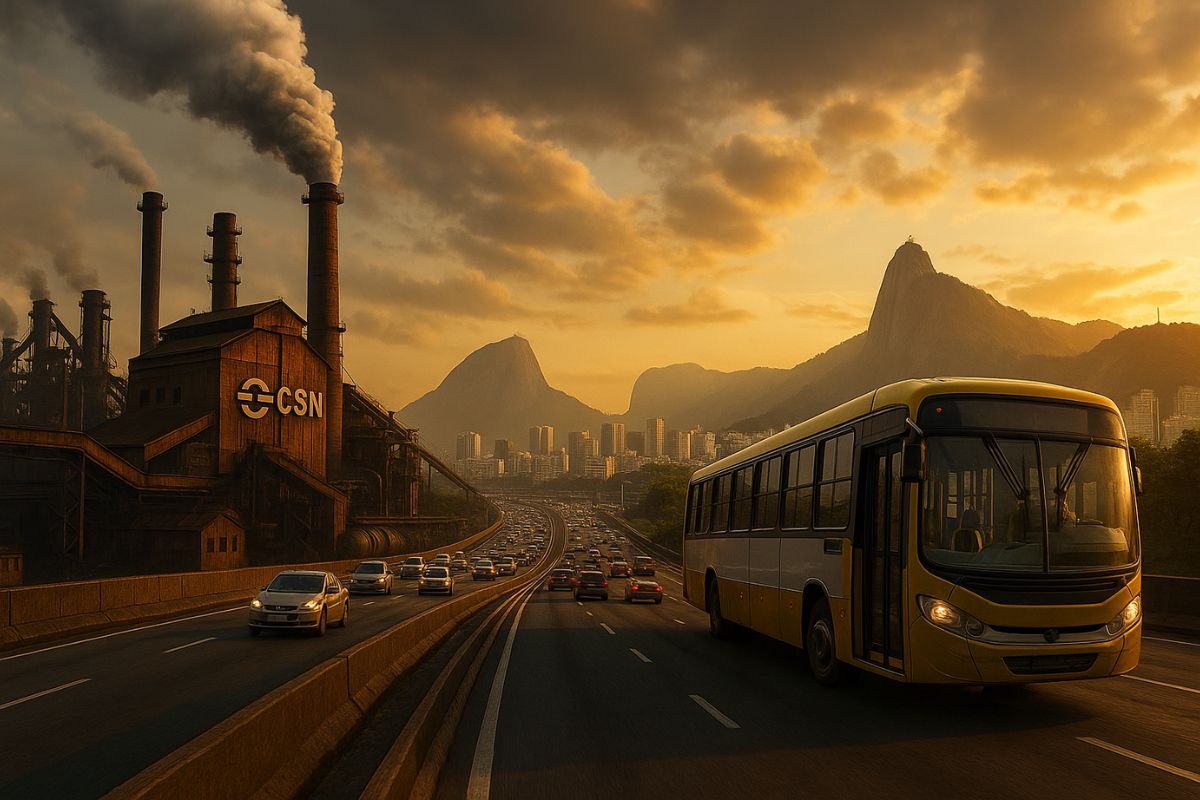


Duque de Caxias Consolidates Itself as a Strategic Industrial Hub and Attracts Residents with Infrastructure and Quality of Life
Duque de Caxias, in Baixada Fluminense, is among the cities that stand out the most in the industrial growth of the state of Rio de Janeiro. With the presence of the National Steel Company (CSN), as well as a strategic logistics hub, the municipality boosts job creation and attracts investments.
With about 927 thousand inhabitants, according to IBGE, the city balances industrial vocation, good location, and access to public services. The industrial development has direct reflections on commerce, transportation, and local income, consolidating Caxias as one of the most dynamic cities in the state.
Why Duque de Caxias is a Reference in Fluminense Industry

Duque de Caxias is considered the “City of Steel” for hosting one of the main plants of CSN, a reference in steel production in Latin America. Moreover, its location on Via Dutra and proximity to the Port of Rio make the municipality a strategic point for logistical and industrial operations.
-
Family Quietly Transforms Old Sawmill into $700 Million Business, Opens 25 Stores in Two Years Across 22 Brazilian States

-
Couple Sold Their Home to Save Business, Now Run Platform Handling $180 Million Monthly and Managing Over 51 Million Listings
-
Brazil’s 2026 Tax Refund: Record 9.58 Million Filers in Largest Payout Ever, But a Key Detail on Priority Recipients Draws Nationwide Attention

-
Itaú Alters Hybrid Work Model, Increasing Office Days from 2028, Prompting Employees to Adjust to New Routine
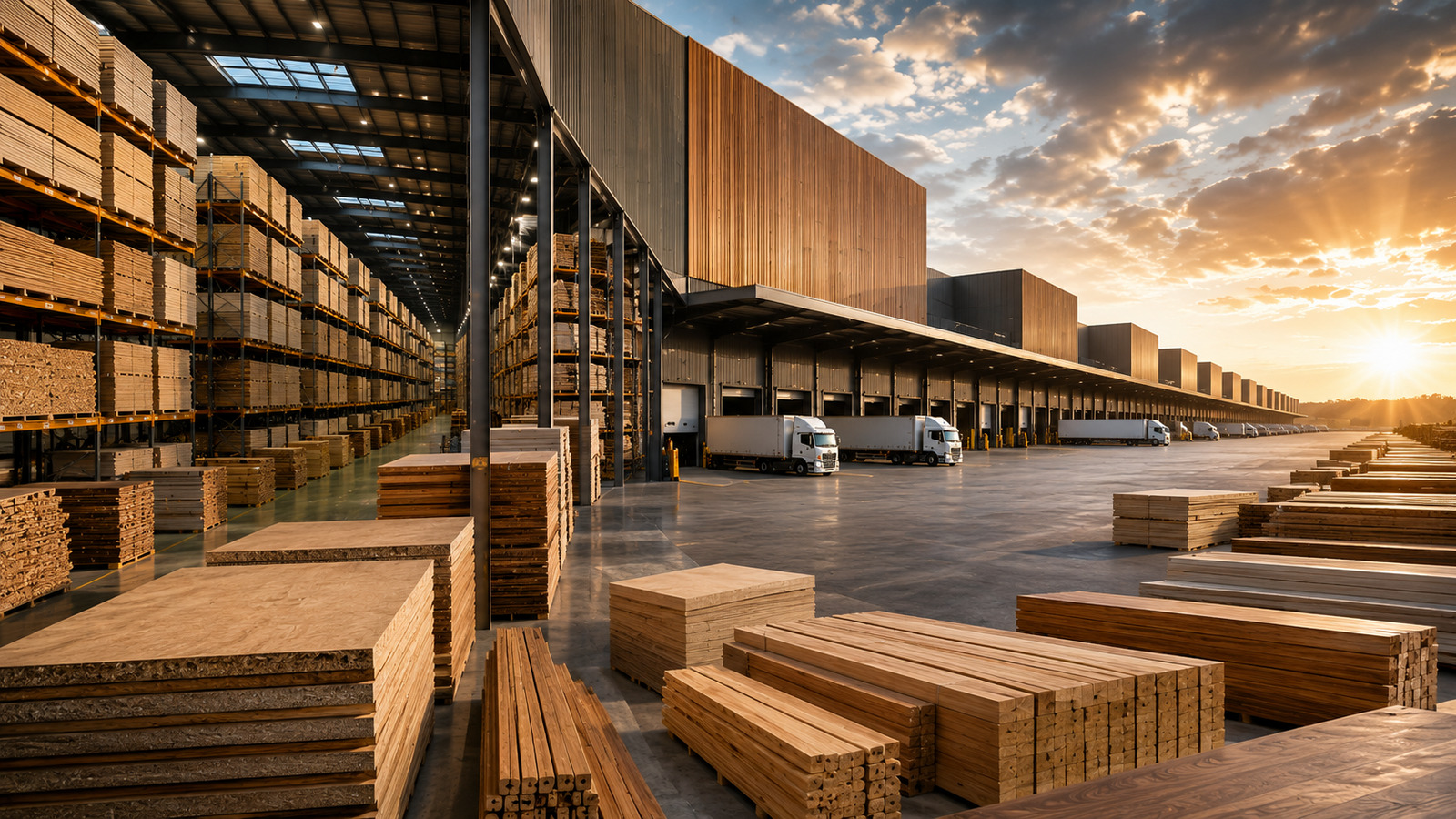



The Department of Economic Development of the city focuses on business partnerships, tax incentives, and urban infrastructure. The reflection is visible: new logistical and industrial enterprises are multiplying in the region, attracting professionals from various fields and energizing the economy.
What is it Like to Live in Duque de Caxias?
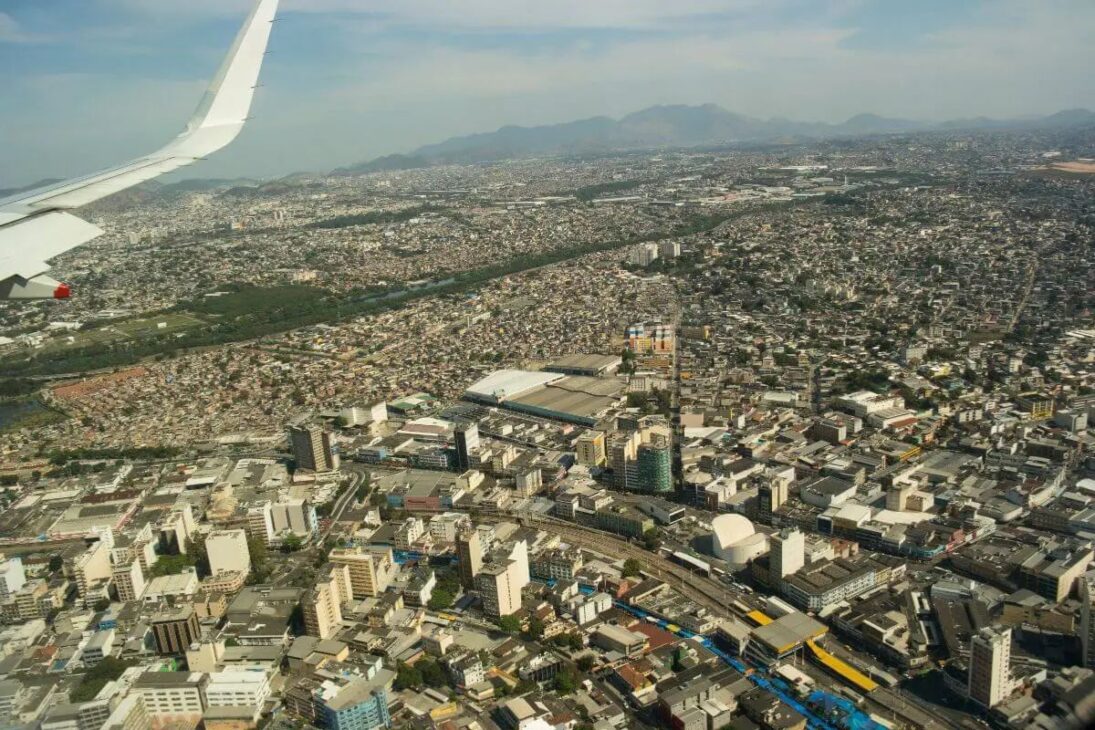
According to the PNUD, the Human Development Index (HDI) of the city is 0.711, considered high. The cost of living is more affordable than in the capital, with cheaper rents and a good supply of public services.
Neighborhoods like Vila Santa Cecília, Jardim 25 de Agosto, and Parque Lafaiete stand out for their residential structure, commerce, and easy access to main roads. The city also has hospitals, schools, and public transport with zero fare on some commercial lines.
What to Do in Duque de Caxias?
Despite its industrial profile, the city offers various cultural and leisure options:
- Science and Life Museum: interactive space focused on science and education
- Historical Museum of Duque de Caxias: preserves the city’s heritage
- Peace Square and Caxias Shopping: leisure and outdoor gathering
- Our Lady of the Pillar Church: historical landmark from the 18th century
- Raul Cortez Municipal Theater: stage for events, shows, and workshops
The cultural agenda includes popular festivals, such as the Divine Festival, and craft fairs with typical dishes from Fluminense cuisine.
What are the Impacts of Local Industrial Growth?
The advancement of the industry in Duque de Caxias has expanded job opportunities, attracted new families, and stimulated the real estate sector. Companies in the logistics, metallurgy, chemical, and automotive sectors have invested in the region.
This development also requires attention to urban infrastructure, mobility, and sustainability. The local government has announced measures to modernize public transport, expand green areas, and strengthen sanitation.
Is it Worth Investing or Living in Duque de Caxias?
For those seeking employment in the industrial sector, lower cost of living, and quick access to the capital, Duque de Caxias offers real advantages. The combination of production, culture, and quality of life makes the city an emerging hub in the Fluminense landscape.
With urban revitalization projects, modernization of public services, and expansion of incentives for companies, the city positions itself as one of the main industrial engines of Rio de Janeiro.
In your opinion, has industrial growth improved life in the city? Or are there still challenges to face? Let us know in the comments how you see the future of Duque de Caxias — we want to hear from those who live it in practice.