Portuguese
  Spanish


New Factory in Texas Will Produce Sterile Flies to Combat New World Screw Worm, Protecting Livestock and Preventing Billion-Dollar Losses.
The United States announces a new factory in Texas capable of generating up to 300 million sterile flies per week to halt the spread of the New World Screw Worm. The U.S. Department of Agriculture (USDA) announced the construction in Edinburg, Texas, in light of the real threat of infestation that could cause billion-dollar losses to livestock and wildlife.
With an estimated investment of US$ 750 million, the initiative emerges as an essential emergency containment measure.
General Context: Why Is This Factory Urgent?
The New World Screw Worm is a pest that deposits larvae in animal wounds, causing injuries, deaths, and productivity losses.
-
India’s Sugar Export Cuts and Ethanol Shift Amid El Niño Threat Could Impact Global Prices and Stocks

-
Quarantine Pest Threatening Palm Trees Puts Brazilian Authorities on Alert, Prompts Monitoring at University of Taubaté and Potential Control Measures Across São Paulo
-
Global Alert: Report Finds 159 Pesticides in Coffee Beans Sold in Europe, Posing Serious Risks to Millions of Farm Workers
-
Low-Demand Brazilian Beef Offal Gains Popularity Abroad: Indonesia Purchases $19.5 Million, Boosting Revenue and Reducing Waste



The economic risk is extremely high: losses of US$ 2.1 billion to livestock and US$ 9 billion to wildlife are estimated if the infestation spreads in the U.S.
Since the 1960s, programs releasing sterile flies have already eradicated the pest in the U.S.
Now, in light of the advancing infestation from Mexico, detected about 600 km from the border, the federal government is once again betting on this proven technique.
Project Details and Production Capacity
The new factory will be built in Edinburg, Texas, with an investment of US$ 750 million.
The facility will have the capacity to produce 300 million sterile flies per week, released to drastically reduce the pest population.
The operation is expected to begin within one year, making it the first of its kind in the U.S. and reducing dependence on facilities in Panama and Mexico.
Complementary Actions While the Factory Is Not Operational
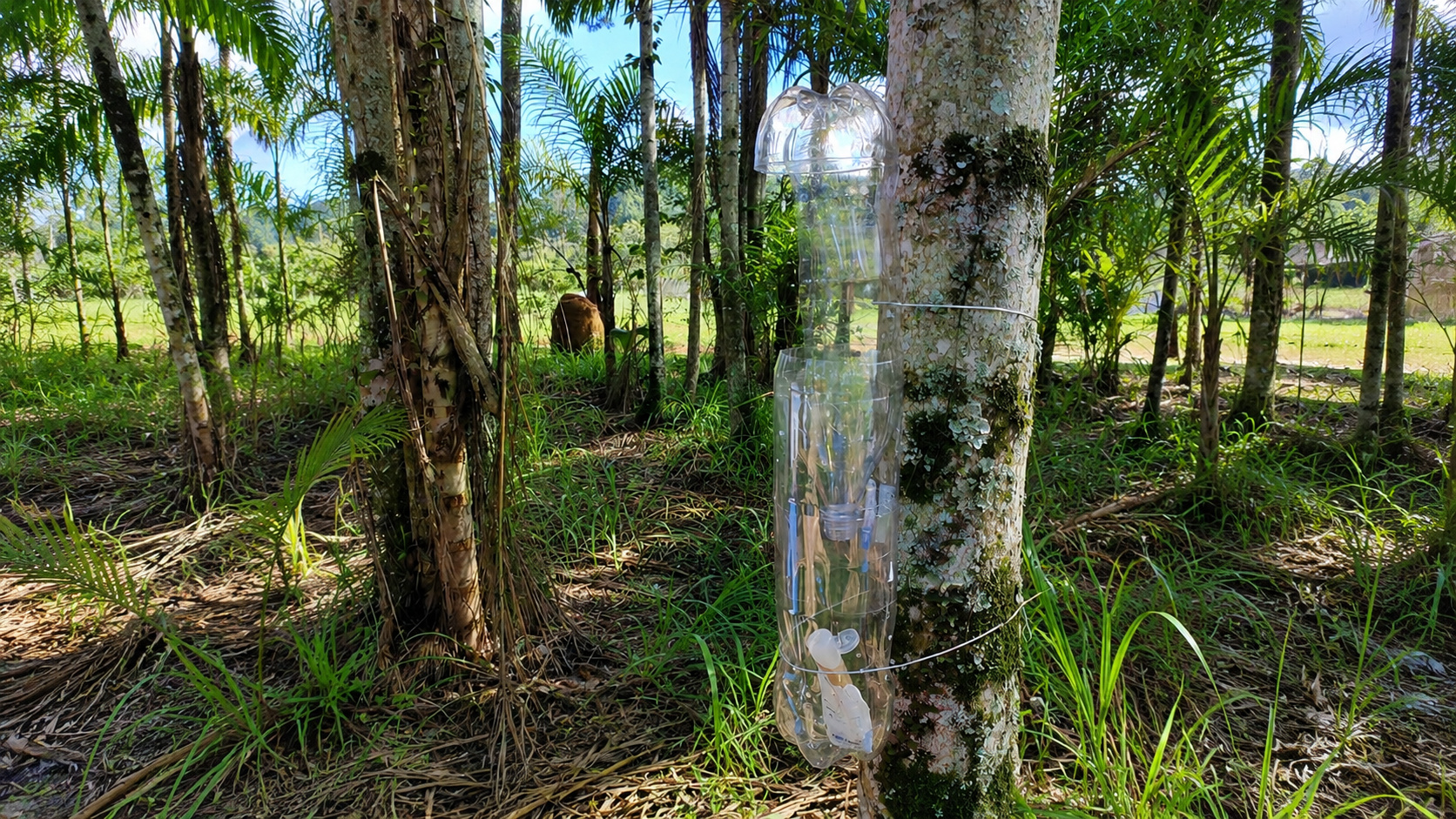
While the factory is under construction, the USDA will invest US$ 100 million in emergency technologies: traps, mobile sterilization units, and advanced monitoring.
There will also be an increase in border patrol with mounted teams (“tick riders”) focused on inspecting potentially infected animals.
A dispersal unit will also be built at Moore Air Force Base in Edinburg, estimated at US$ 8.5 million, which will receive larvae produced in Panama and Mexico for rapid release in risk areas.
At the state level, Governor Greg Abbott has formed a New World Screw Worm Response Team, involving the Animal Health Commission and the Department of Parks and Wildlife.
The task force, which will also utilize detection dogs, aims to ensure vigilant and agile response to the threat.
Additionally, the USDA is enhancing coordination with Mexican authorities to monitor the pest’s advance directly in the neighboring country and prevent it from crossing the border.
The announcement has been well received by industry organizations.
The president of the Texas Farm Bureau, Russell Boening, emphasized the importance of acting quickly:
“This threat is real and urgent, and we cannot afford delays. The immediate construction of this facility is essential to avoid irreversible damage to our agricultural economy and food system.”
With an ambitious plan and robust investment, the new sterile fly factory in Texas emerges as a key element to contain the screw worm, protect livestock, and preserve food stability in the U.S.
The project represents a swift and comprehensive response to the risk looming over the sector, combining technology, surveillance, and advanced logistics.