





 Portuguese
  English
  Spanish
  4 min of reading
  1 comment


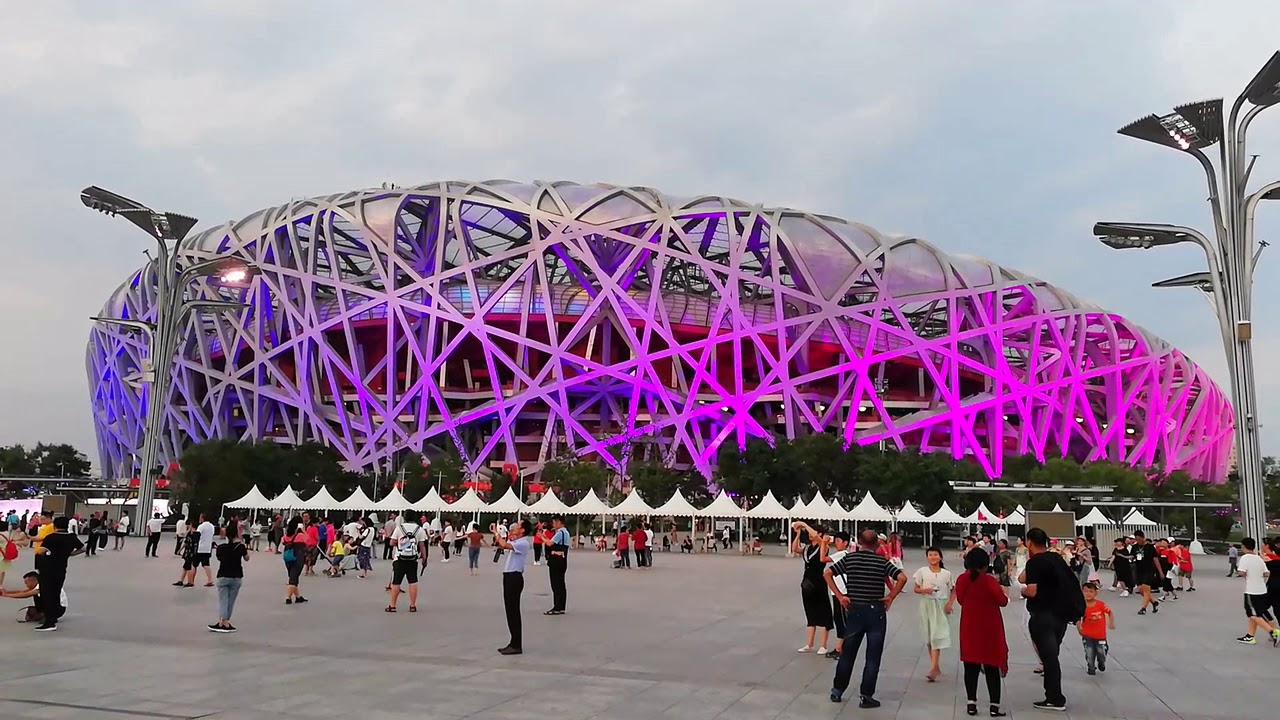


The National Stadium of Beijing Consumed Colossal Volumes of Steel and Concrete to Withstand Earthquakes and Became a Landmark of Modern Structural Engineering.
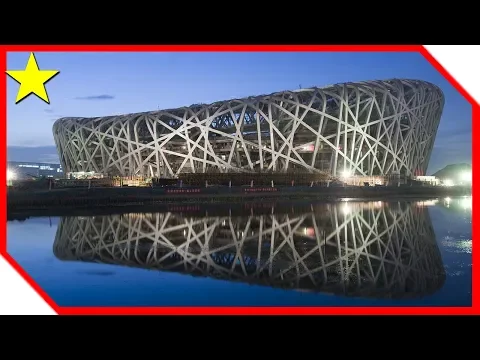
When China decided to build the National Stadium of Beijing for the 2008 Olympic Games, the goal was not only to create an architectural icon. The aim was to raise a structure capable of withstanding severe earthquakes, extreme winds, and intense thermal variations, in a region with a significant seismic history. The result was the stadium known worldwide as Bird’s Nest” Olympic Stadium – “Ninho do Pássaro”, a work where structural engineering and mass consumption of materials go hand in hand.
The Logic Behind the Colossal Consumption of Steel and Concrete
The stadium was designed with an exposed steel exoskeleton, formed by an irregular mesh of intertwined giant beams. This structural system is not only aesthetic.
It distributes loads redundantly, allowing the structure to absorb deformations without collapse, something essential during seismic events.
-
While Saudi Arabia and Qatar are already closing a 300-kilometer-per-hour bullet train to connect the capitals in two years, Brazil is still at the stage of auctioning the first freight railway that should actually come to fruition.

-
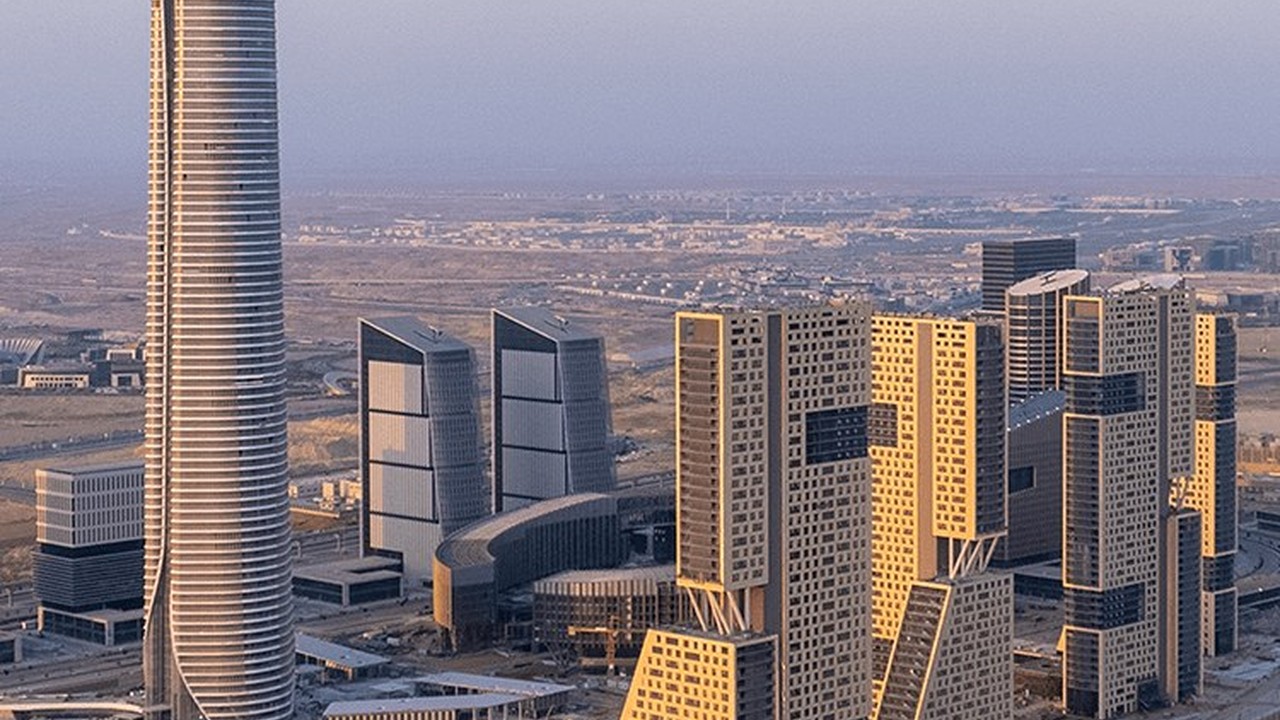
Egypt built an entire capital from scratch in the middle of the desert, with the tallest tower in Africa and the largest cathedral in the Middle East, to relieve Cairo of the burden of more than twenty million people.
-
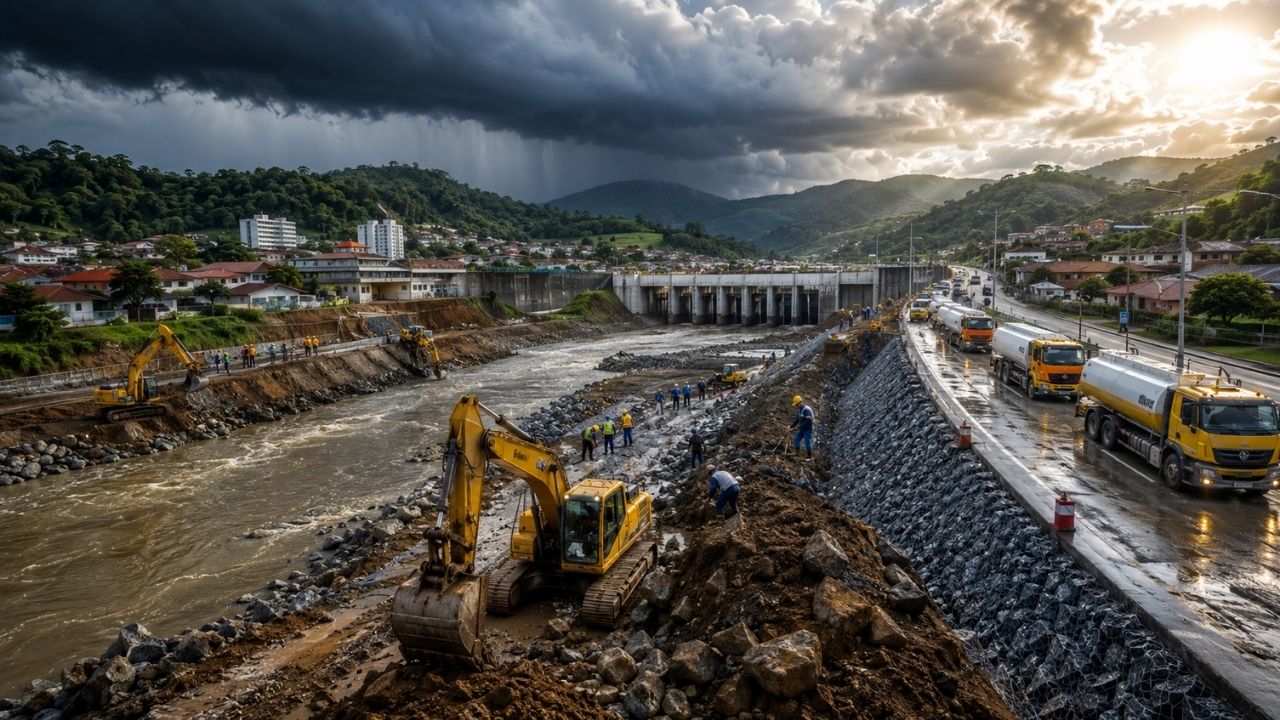
Santa Catarina invests R$ 1 billion against the risk of El Niño, accelerates work on dams, cleans rivers, delivers 641 bridges and 126 water trucks, and prepares 295 municipalities for heavy rains, floods, and landslides still in 2026.
-
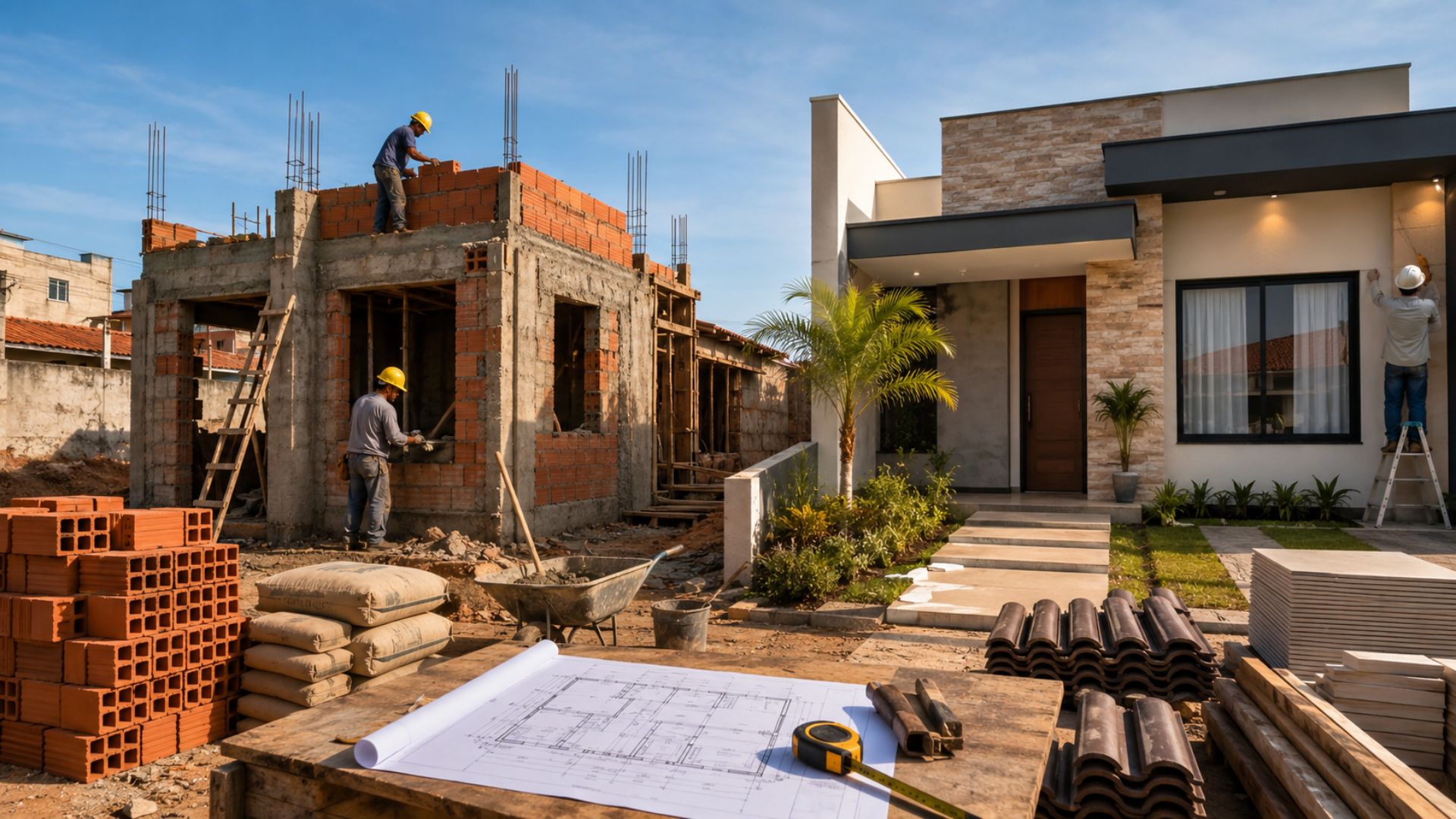
Building a 95-square-meter house in 2026 can start at around R$ 185,000 at the reference base and exceed R$ 330,000 in high standard, but the final cost depends on the land, finishing, fees, and the region, with the South of the country being among the most expensive in Brazil.




To make this solution feasible, tens of thousands of tons of structural steel were used, combined with large volumes of reinforced concrete in the foundations, bleachers, and support cores.
Together, the materials exceed 1 million tons, considering steel, concrete, and associated structural elements.
Deep Foundation for an Urban Colossus
Before the steel began to appear above ground, the stadium required an extremely robust base. The foundations consumed large volumes of high-strength concrete, designed to distribute the weight of the superstructure and handle horizontal forces caused by earthquakes.
Instead of a conventional foundation, the design adopted a solution that works almost like a “rigid slab” buried, capable of dissipating seismic energy.
This step, invisible to the public, was one of the reasons for the high consumption of materials and the structural cost of the work.
Seismic Engineering Applied on a Monumental Scale
The technical differential of the National Stadium of Beijing lies in how the structure was designed to bend without breaking.
In the event of an earthquake, the steel exoskeleton functions as an energy absorption system, allowing small controlled displacements. The concrete, in turn, serves as an element of rigidity and mass, stabilizing the whole.
This balance between flexibility and rigidity is rare in large-scale works and explains why the stadium is frequently cited in seismic engineering studies.
Construction That Required Industrial Precision
Erecting a steel mesh with seemingly random geometries required high-precision industrial manufacturing.
Each beam had to be custom-made, transported, and assembled with minimal tolerances. An error of a few centimeters at one point could propagate throughout the entire structure.
The assembly involved large cranes, meticulous planning, and a construction sequence that took years to complete.
A Stadium That Functions as a Single Structural Piece
Unlike conventional arenas, where bleachers, roof, and facade are relatively independent systems, the “Bird’s Nest” functions as a single structural body.
The steel facade is not decorative: it directly participates in the support. This drastically increases the volume of material needed but also creates an uncommon level of structural redundancy.
In practice, the entire stadium behaves like a giant single gear.
Comparisons with Other Megaprojects
Although it is not the largest sports structure in the world in terms of audience capacity, the National Stadium of Beijing stands out when the criterion is material quantity per square meter constructed. Few stadiums have required such a concentration of steel and concrete to meet such rigorous structural and seismic requirements.
In this aspect, it is closer to bridges, dams, and viaducts than to traditional sports arenas.
A Permanent Landmark of 21st Century Engineering
After the Olympic Games, the stadium remains one of the greatest symbols of contemporary Chinese engineering.
More than a sports venue, it represents the ability to shape gigantic volumes of materials to confront unpredictable natural forces, without giving up architectural boldness.
In the end, the “Bird’s Nest” impresses not only with its iconic visual but also with the fact that it concentrates, in a single urban building, quantities of steel and concrete comparable to those of large infrastructure works, redefining what is understood as monumental sports construction.









SÓ A CHINA MESMO.