






 Portuguese
  Spanish


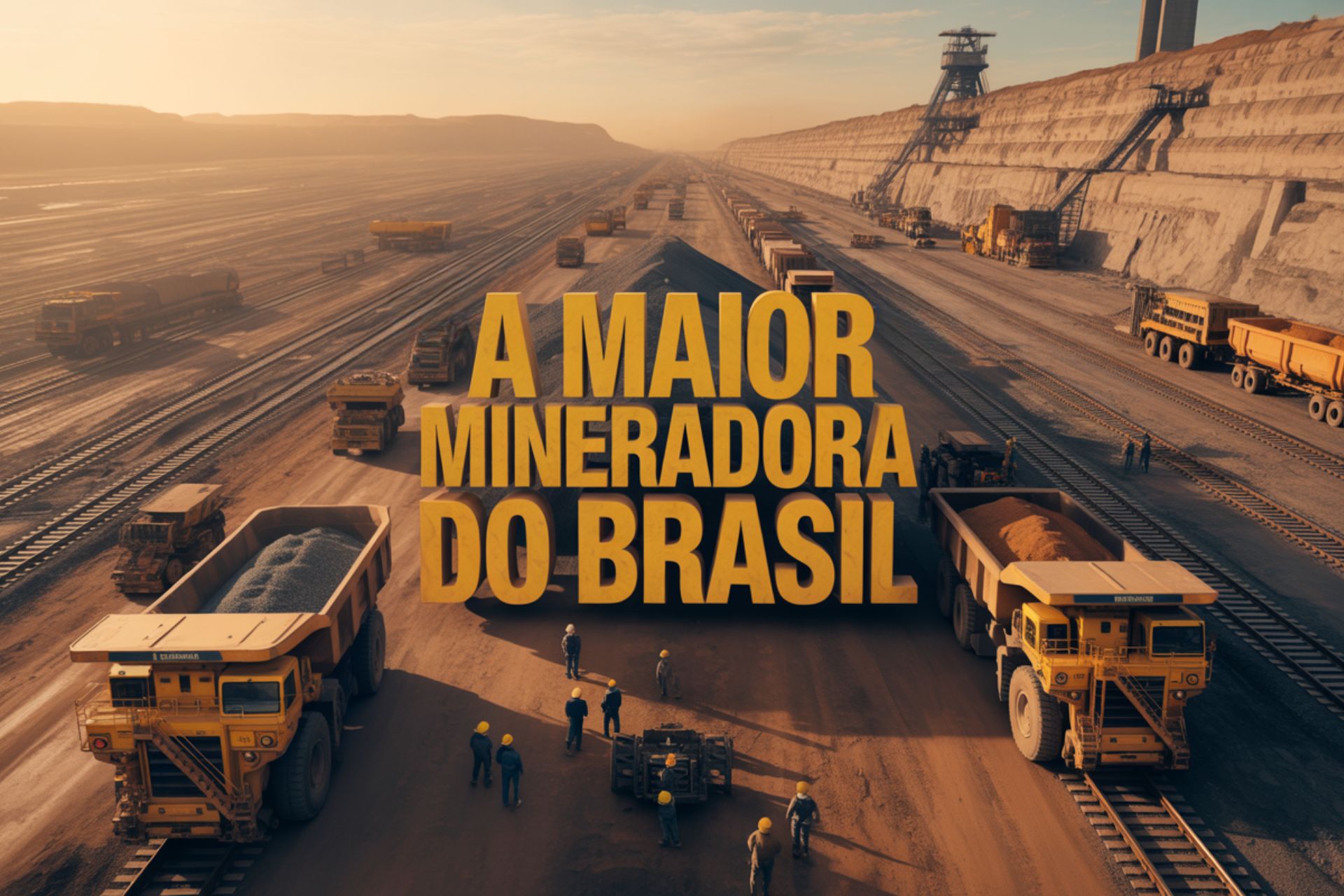

The Largest Mining Company in Brazil, Vale Extracts 320 Million Tons Per Year, Operates 8,000 km of Railways, and Functions Like a Subterranean City in Motion.
Few can imagine the size of the machinery that keeps Brazil among the giants of the global mineral sector. Founded in 1942, Vale S.A. is now the largest mining company in Brazil and one of the three largest in the world, alongside BHP and Rio Tinto. With more than 8,000 kilometers of railways, 10 port terminals, 320 million tons of iron ore extracted annually, and 120,000 direct and indirect workers, the company has become a true industrial organism that never stops — a subterranean city, invisible to most, but pulsating to the rhythm of steel, exports, and the national economy.
The Iron Empire That Sustains Brazil
Vale was born during World War II, when Getúlio Vargas’s government created Companhia Vale do Rio Doce to explore the Itabira (MG) deposits. Since then, the company has transformed into a global colossus, responsible for about 15% of all iron ore exported on the planet.


Production concentrates on two main axes:
-
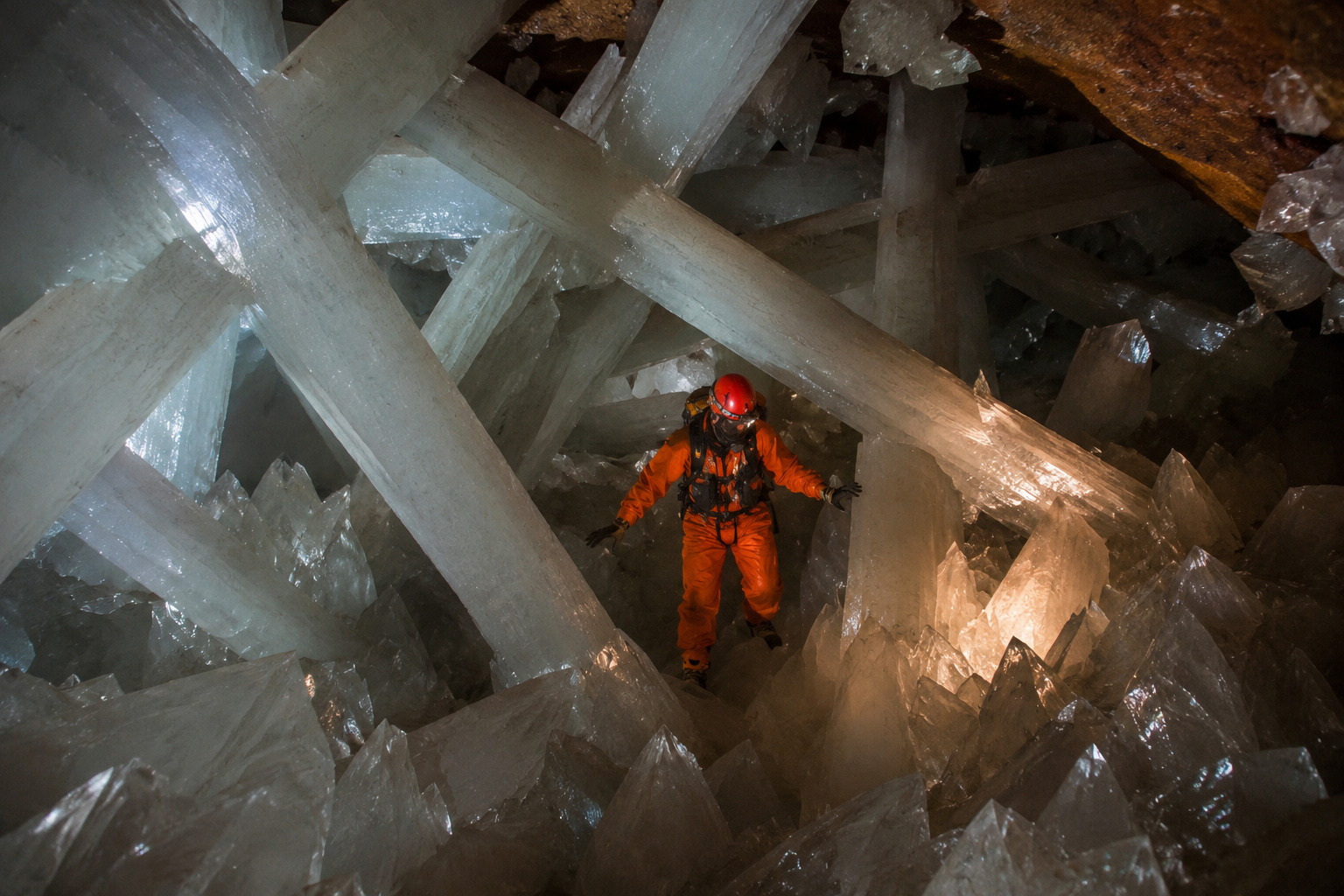
Mexico’s Giant Crystal Cave: A Deadly 58°C Underground Palace with 11-Meter Crystals Formed Over Nearly a Million Years

-
China Dominates Over 90% of Rare Earth Refining, Prompting Global Concerns: Canada and Japan Launch Billion-Dollar Plan to Reduce Dependency and Safeguard Batteries, Semiconductors, and Defense

-
Ancient Mines in Spain Reveal Tools and Metals That May Explain Bronze Age Trade with Scandinavia
-
XCMG Launches 240-Ton Mining Truck in Brazil, Promising Increased Productivity with Lower Fuel Consumption


- Northern System (Carajás, Pará): considered the largest open-pit mining complex in the world, with high-grade iron ore (67%).
- Southeast and South System (Minas Gerais): encompasses Itabira, Mariana, Itabirito, and Brumadinho, regions where mining has shaped the geography and economy of Minas Gerais for decades.
Together, these systems ensure an annual production of more than 320 million tons, shipped by rails and ships that cross the country to the ports of Tubarão (ES) and Ponta da Madeira (MA) — two of the busiest terminals in the world.
An Infrastructure That Functions Like a Country
What impresses about Vale is not only the volume produced but also the size of its infrastructure. The company operates its own railways that cross three states, transporting ore, fuel, grain, and even passengers on daily routes.
- Carajás Railway (EFC): 892 km between Parauapebas (PA) and São Luís (MA), with trains of up to 330 cars and 3.3 km in length — the largest in the Americas.
- Vitória–Minas Railway (EFVM): 905 km between Belo Horizonte (MG) and Vitória (ES), the only Brazilian railway that transports passengers daily.
- Ports and Terminals: Vale controls ten port and maritime terminals, with a combined capacity of over 500 million tons per year.
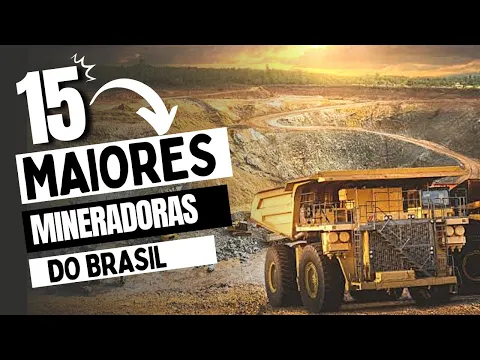
Around this infrastructure, a network resembling an industrial city has formed: worker villages, cafeterias, workshops, hospitals, technical schools, and internal fleets maintain the continuous operation of the operations.
In 12-hour shifts, 300-ton machines and off-road trucks with 4-meter tall tires move mountains to feed the world.
Carajás: The Heart of Brazil’s Mineral Empire
In the interior of Pará, the Carajás Mountains house the heart of Brazilian mining. Vale’s complex occupies an area equivalent to that of Belo Horizonte, and its annual production exceeds 150 million tons of high-grade iron ore.
Autonomous trucks, controlled by GPS systems and artificial intelligence, have replaced part of the conventional fleet, increasing the safety and precision of operations. Each autonomous truck is capable of carrying 240 tons of ore per trip, operating 24 hours a day.
Underground, networks of tunnels and conveyor belts extend for dozens of kilometers, interlinking mines, crushers, and storage yards.
Everything is monitored in real-time from a control center in Belo Horizonte, where engineers track data flow, production, and maintenance through high-resolution screens.
Energy and Technology: The New Face of Mining
Vale has been heavily investing in technology and energy transition. About 85% of all the energy used in operations already comes from renewable sources, such as hydropower and wind energy.
In recent years, the company has initiated projects for fleet electrification, using biofuels, and developing “green steel”, low-carbon steel.
The plan is bold: by 2050, Vale aims to zero its net carbon emissions, a commitment that places it among the global leaders in sustainable mining.
Additionally, the company is developing autonomous drilling systems, geotechnical monitoring via drones, and predictive analysis of dams using satellite technology. This digitization has reduced accidents, increased productivity, and made the extraction process more efficient and traceable.
An Economic Ecosystem That Sustains Entire Cities
Vale’s presence transforms any region where it establishes itself. The Northern System alone employs around 60,000 people directly and indirectly, while the Southeast System maintains over 40,000 jobs in Minas Gerais.
Cities like Parauapebas, Canaã dos Carajás, Itabira, and Mariana heavily depend on the revenues generated by mining.
It is estimated that, combining taxes, royalties, and social investments, Vale injects over R$ 40 billion per year into the Brazilian economy, equivalent to the GDP of entire states.
These resources fund infrastructure works, schools, hospitals, and social programs, especially in communities near the mines.
Challenges, Tragedies, and Reinvention
However, not everything is triumphant. Vale’s history is also marked by environmental tragedies, such as the dam failures in Mariana (2015) and Brumadinho (2019), which left hundreds of victims and called into question the Brazilian mining model.
Since then, the company has undergone a deep restructuring, with new safety protocols, independent oversight, and billion-dollar investments in monitoring technology.
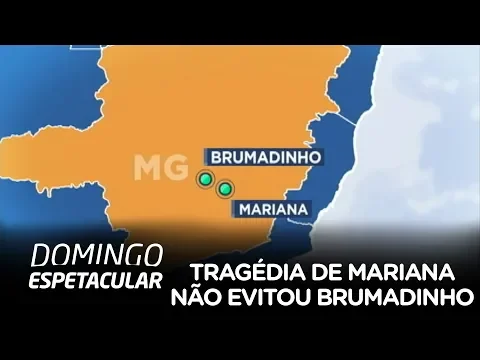
The episode served as a turning point: Vale shifted from a model focused solely on volume to a responsible and sustainable mining model, prioritizing safety and transparency.
Brazil and the Future of Iron
Even with the challenges, Vale remains a pillar of the national economy and a symbol of Brazil’s productive strength. Iron ore accounts for about 12% of all Brazilian exports, and Vale is responsible for over 70% of that total.
In 2024, Brazilian iron reached the main ports in Asia and Europe, supplying steel industries in China, Japan, South Korea, Germany, and Italy.
The future points to diversification: in addition to iron, the company is expanding its operations in nickel, copper, and critical minerals, essential inputs for batteries, electric cars, and renewable energies.
A ‘Subterranean City’ That Moves the World
In its mines, 300 meters deep, the silence is only broken by the echo of machines that never stop.
Every minute, tons of ore are extracted, crushed, and shipped off to an industrial cycle that moves ports, trains, factories, and entire economies.
With over 8,000 km of railroads, 3,000 locomotives, 320 million tons exported annually, and a chain of 120,000 workers, Vale operates like a country within a country, a machine of steel, iron, and energy that keeps Brazil moving.
More than a company, it is a national organism, where engineering, geology, technology, and nature intertwine on a monumental scale. And even under tons of rock, the sound that echoes is that of modern Brazil’s strength — a country that still pulses beneath the ground.







I must say this article is extremely well written, insightful, and packed with valuable knowledge that shows the author’s deep expertise on the subject, and I truly appreciate the time and effort that has gone into creating such high-quality content because it is not only helpful but also inspiring for readers like me who are always looking for trustworthy resources online. Keep up the good work and write more. i am a follower.
I must say this article is extremely well written, insightful, and packed with valuable knowledge that shows the author’s deep expertise on the subject, and I truly appreciate the time and effort that has gone into creating such high-quality content because it is not only helpful but also inspiring for readers like me who are always looking for trustworthy resources online. Keep up the good work and write more. i am a follower.