Portuguese
  Spanish


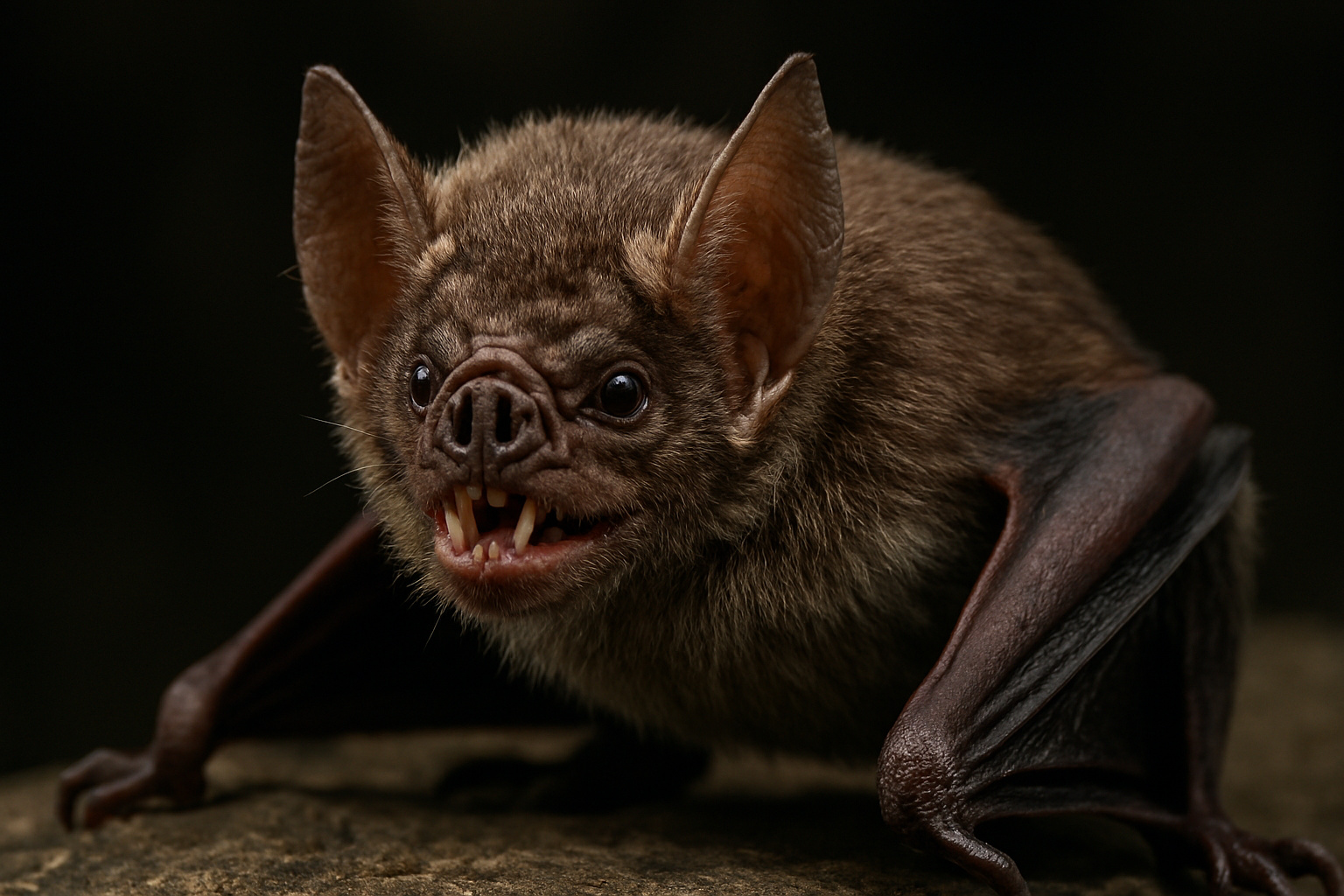


Largest Vampire Bat Ever Registered, Desmodus draculae Lived in South America During the Pleistocene With Vampiric Anatomy and Unusual Size According to Fossils From Brazil, Argentina, and Venezuela.
When popular imagination thinks of “vampire bats,” it usually refers to European legends and supernatural creatures. What few know is that South America once hosted a truly vampiric bat — not in the sense of fantasy, but in biology. Known as Desmodus draculae, it lived during the Pleistocene and is considered the largest recorded hematophagous bat. The name carries a direct reference to vampiric iconography, but the basis is scientific: fossils found in Brazil, Argentina, Bolivia, and Venezuela suggest an animal larger than its modern relative, the famous common vampire bat (Desmodus rotundus).
Its discovery expanded the understanding of South American megafauna and revealed how lineages of relatively small mammals may have adapted to coexist with Pleistocene giants, such as ground sloths, toxodonts, and paleolamas, without directly competing with them. Unlike larger predators, D. draculae occupied a discreet, specialized, and nocturnal niche. It is a case where paleontology engages with culture, but without abandoning technical rigor.
Desmodus draculae and the Geological Context of the South American Pleistocene
The Pleistocene — which began about 2.6 million years ago and ended approximately 11,700 years ago — was the stage for a remarkable diversity of mammals. In South America, this period included environments that varied from tropical forests to subtropical savannas and cold pampas, depending on the region and climatic oscillation.
-
What is a red flashlight used for, after all? See why it is so commonly used at night.

-
He has never read a line of code, but he already knows how to work: the French company UMA presented in Paris the Northstar, its first AI-powered humanoid robot designed for factories and warehouses, capable of copying tasks just by observing an employee in action.

-
A young Kenyan engineer collects plastic waste from the streets and transforms it into robots that translate physics lessons into sign language in real-time, a machine made with old bottles that teaches what was missing to deaf children left out of science.
-
What is the dark substance found in the sand of Ipanema Beach? Civil Police conduct an examination, collect samples of the material, and initiate an investigation to identify the composition, clarify the origin, and verify if there was an environmental crime.



Fossils attributed to Desmodus draculae have been recorded in caves and sedimentary deposits, providing chronological and environmental evidence of its lifestyle.
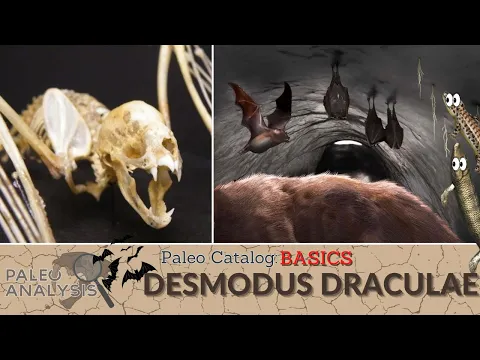

The main records come from countries such as Argentina, Venezuela, Bolivia, and Brazil. In Brazil, remains of this bat have already been found in caves, indicating that it occupied similar niches to modern bats, with protected shelters for resting and reproduction.
The presence of D. draculae within this environmental mosaic places the animal within a rich ecological web, where giant mammals dominated the daytime landscape, while birds, snakes, small mammals, and bats ruled the night.
Vampiric Anatomy: Skull, Teeth, and Expanded Wingspan
The term “vampiric” applied to Desmodus draculae is not literary, but anatomical. The animal had an elongated and robust skull, modified teeth, and a jaw adapted for hematophagous behavior, blood consumption as a food resource.
This habit exists today in only three species, all American, with Desmodus rotundus being the most well-known. D. draculae would represent a larger relative within the same genus.
Morphological studies indicate that D. draculae had a wingspan greater than its modern relatives. While the current common vampire bat tends to measure around 30–35 cm in wingspan, D. draculae could exceed this measurement, approaching significantly larger values for a hematophagous bat. Even so, it was not an immense animal — just large enough to stand out within the group.
The dental modification recorded in the fossils also supports the hypothesis of a specialized feeding habit. Just like in current species, incisive teeth functioned as superficial cutting instruments, without causing extensive damage. The physiology of the group involves nocturnal posture, silent flight, and the ability to approach mammals without triggering intense defensive responses.
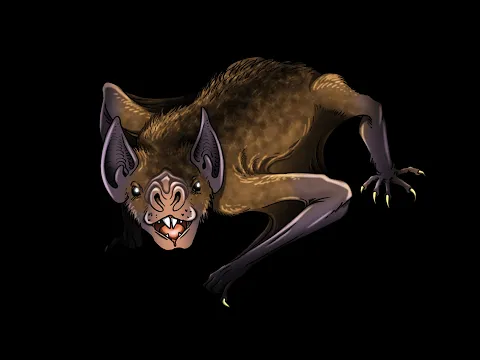
It is important to remember that, from a scientific perspective, this behavior does not involve dramatic scenes. Hematophagous bats make small incisions and feed opportunistically, without violent attacks or direct confrontations, and without causing severe physical harm to the host.
Coexistence With Megafauna: A Biologically Viable Hypothesis
One of the questions discussed by paleontology is why there was an increase in size within the Desmodus lineage. A plausible hypothesis is the abundance of large mammals in the South American Pleistocene. The presence of giant ground sloths such as Megatherium and Eremotherium, as well as mammals like toxodonts, camelids, and even large monkeys, could have increased the availability of hosts.
The relationship did not have to be exclusive, but it is consistent with modern ecology. The current vampire bat often feeds on cattle, deer, horses, and medium to large domestic animals. In the past, megafauna may have served a similar function as a nocturnal resource source.
This coexistence, combined with cavernous environments, availability of shelter, and relative absence of human interference, may have favored the development of a larger vampiresque bat.
Geographical Distribution and Fossil Records
The distribution of Desmodus draculae is documented by scientific publications and South American museums. Among the most relevant points:
- Argentina: important fossil and bone records in deposits associated with caves.
- Venezuela: finds that contributed to the interpretation of the species as distinct from Desmodus rotundus.
- Brazil: materials from caves, suggesting stable occupancy of shelters.
- Bolivia: additional evidence that reinforces the geographic range of the species.
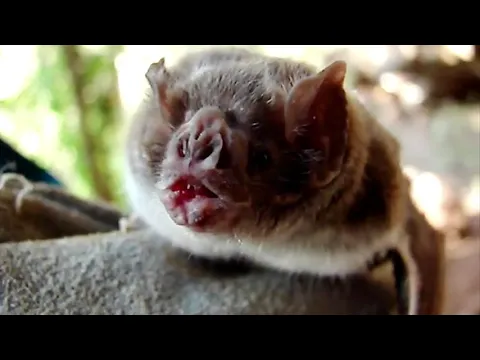
This data indicates a genus with a relatively broad dispersal capacity. The presence of caves and rocky environments along the Andes Mountain Range and adjacent regions would also help explain possible ecological routes.
Extinction, Environmental Changes, and the Role of Human Action
The disappearance of Desmodus draculae coincides temporally, in part, with the decline of megafauna at the end of the Pleistocene. This period was marked by significant climatic changes, a transition to the Holocene, and, in some regions, increasing human presence.
There is no definitive consensus on the factors that led to the species’ disappearance, but three hypotheses are discussed:
- Reduction of megafauna, decreasing food sources.
- Climate change, altering shelter areas and temperature.
- Environmental transformations caused by humans, altering habitats.
It is possible that the combination of these factors produced the known outcome: the larger lineage goes extinct, while smaller, more adaptable species persist to this day.
A Fossil That Connects Science and Culture
The case of Desmodus draculae is unique because it unites:
- paleontology,
- evolutionary biology,
- Pleistocene ecology,
- popular culture linked to “vampires.”
The cultural association is inevitable, but the strength of the case lies in the scientific evidence: fossils confirming the existence of a hematophagous bat larger than any living species. It was not a mythical creature, nor a colossal predator, but a real component of the South American fauna — discreet, nocturnal, and biologically fascinating.
This story reminds us that evolution often produces intermediate, specialized, and discreet forms, which we only discover millions of years later through bones found in caves.
In South America’s Pleistocene, an improbable stage of diversity, and Desmodus draculae is an elegant reminder that nature has always been more creative than any fantasy.