






 Portuguese
  Spanish
  5 min of reading
  0 comments


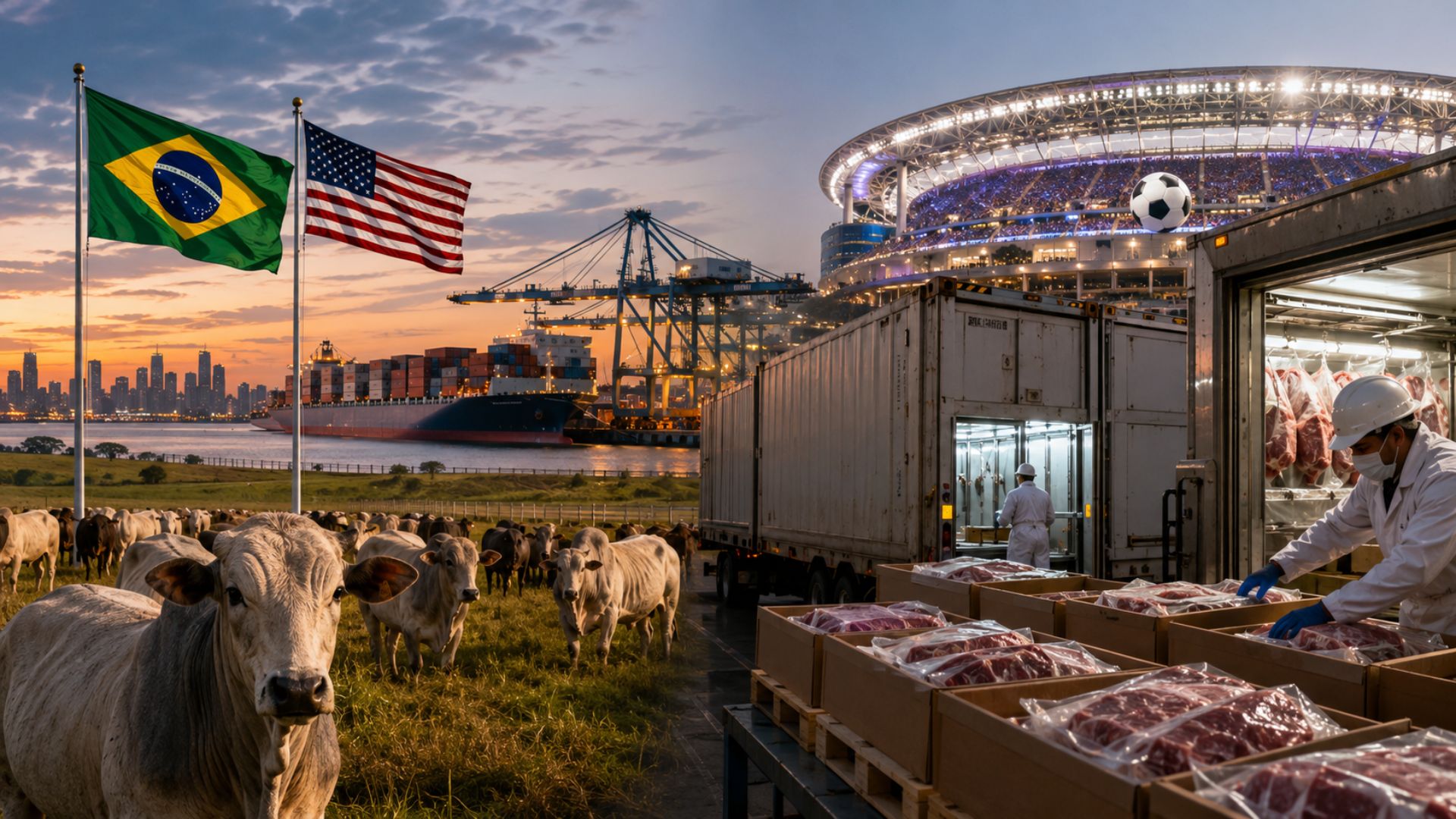
The United States has consolidated its position as the second-largest buyer of Brazilian beef, with shipments of 149.8 thousand tons and revenue of 962.5 million dollars between January and April 2026. According to TIMES BRASIL, the world is experiencing the lowest global cattle stock since 2006, and Brazil, the world’s largest beef producer, set a historic record for exports in the first quarter. The World Cup and the American summer are expected to boost Brazilian livestock in the coming months.
The United States is buying more Brazilian beef than at any other time in history. Between January and April 2026, the country imported 149.8 thousand tons of beef from Brazil, generating revenue of 962.5 million dollars. The volume represented 13.7% of all Brazilian exports during the period and consolidated the Americans as the second-largest destination for Brazilian protein, behind only China, which led with 474.2 thousand tons and 2.7 billion dollars. The average price paid for Brazilian beef reached a record 6 dollars per kilogram in the American market, surpassing the previous peak of 5.24 dollars recorded in 2022.
The demand occurs in a scenario of global scarcity. According to Thiago Bernardino, livestock coordinator at Cepea (Center for Advanced Studies in Applied Economics), the world is experiencing the lowest cattle stock since 2006, meaning that for two decades there has not been such difficulty in finding consistent volumes of beef in the international market. Brazil has become the natural supplier to fill this gap, especially on the eve of the World Cup in the United States: the country is the world’s largest producer of the protein, set a record for slaughter in 2025 with 42.5 million heads, and exported more than 1 million tons in just the first quarter of 2026.
Why the United States Buys So Much Beef from Brazil

The increase in American imports is not accidental. The United States cattle herd is at one of its lowest levels in decades, a result of years of drought, high feed costs, and a livestock cycle that takes between two and four years to reverse. With less cattle available domestically, the price of beef has risen in the United States over the past two years, putting pressure on inflation and forcing the industry to seek external suppliers.
-
Seven women from the same family turned a cheese factory in Minas into a tourist attraction, where visitors can watch the milking process, see the artisanal cheese being made, and even take home products made on the farm.

-
He tore up all the grass in the yard, turned the house into an urban farm, and sold food to the neighbors until the city hall showed up with a fine for zoning violation.
-
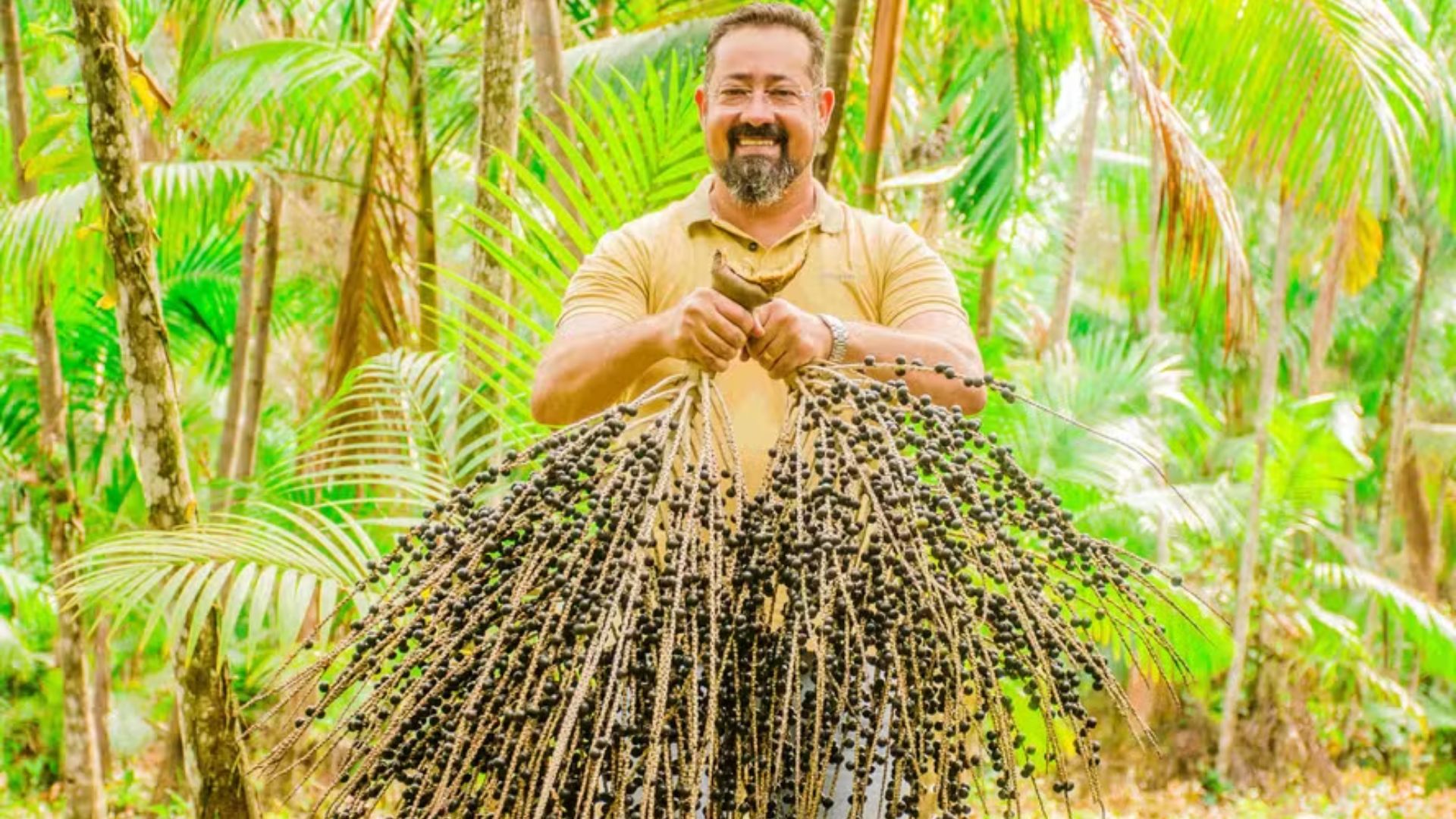
After working as a waiter for ten years, he borrowed R$ 500 from his brother, created 40-minute lines with an açaí cart on the street, and today runs a farm with 600,000 trees in Pará and a network worth R$ 45 million.
-
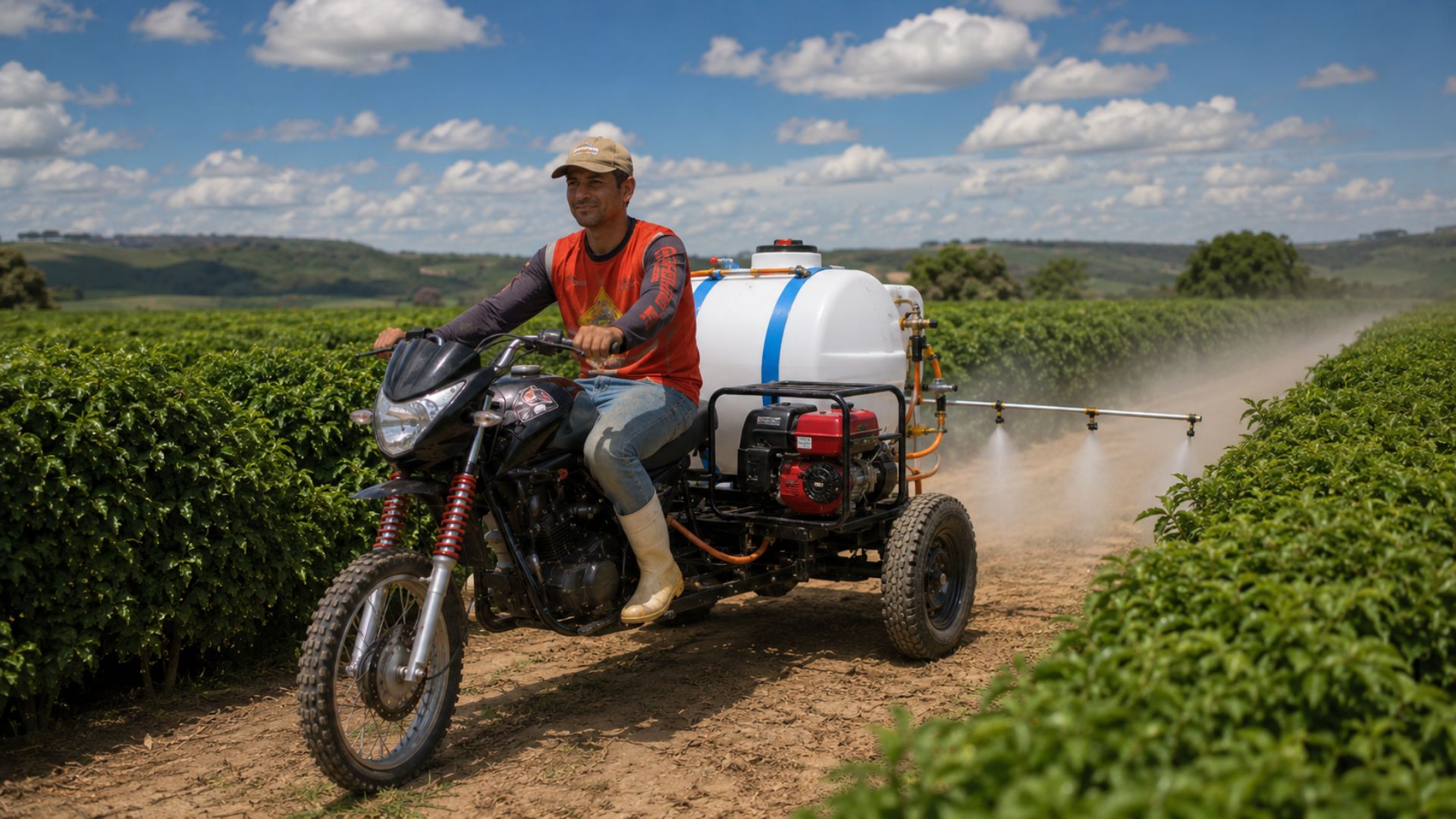
A Brazilian inventor converts a regular motorcycle into an agricultural tricycle with a sprayer, dump body, and mobile workshop with a generator to assist small rural producers without a tractor.


Brazilian beef enters the United States mainly as raw material for hamburger blends. American fast food chains and processors mix imported cuts with local meat to produce the hamburger that feeds restaurants, diners, and supermarkets. Bernardino explained that this dynamic is structural: as long as the American herd does not recover, the dependence on imports will continue to grow. Livestock farming is a long-cycle production, and investments made today only yield returns in two to four years.
The World Cup as a demand accelerator
The sector projects an acceleration in beef sales to the United States in the coming weeks due to two simultaneous factors. The first is the start of the American summer and school holidays, a period when families travel, visit parks, and increase their consumption of hamburgers and processed products. The second is the 2026 World Cup, which will be held on American soil with more than 40 teams and millions of foreign tourists consuming fast food.
The combination of summer, tourism, and a mega sporting event creates a demand pressure that the American domestic market cannot meet alone. Bernardino stated that people go to the United States to tour, watch games, and eat, and that the hamburger is the center of this equation. For Brazil, the World Cup represents an export window that can keep beef shipments at record levels throughout the second half of the year.
The Brazilian export record in 2026
The performance of Brazil’s beef exports in 2026 is historic in all indicators. In the first quarter, the country shipped more than 1 million tons, with revenue exceeding 6 billion dollars. In January alone, exports reached 264 thousand tons and 1.4 billion dollars, the best result ever recorded for the month. In April, the volume reached 288.7 thousand tons, with revenue of 1.719 billion dollars, an increase of 29.1% compared to April 2025.
Natural products lead the export agenda, representing 87.3% of everything Brazil sold in April. Besides China and the United States, other relevant markets include Chile (49.5 thousand tons), Russia (40.4 thousand tons), and the European Union (34.7 thousand tons, growth of 17.7%). The diversification of destinations is a positive factor for the sector, especially in light of the tariff quota imposed by China, which may limit shipments to the Asian market starting in June.
The impact on the price of fattened cattle and Brazilian livestock


The rise in exports exerts direct pressure on the price of fattened cattle in the main Brazilian markets. With more beef going abroad, the internal supply decreases and prices rise. Bernardino evaluated that livestock is one of the few sectors of Brazilian agribusiness that is capitalized at this moment, unlike soy and corn, which have been operating with negative margins for four consecutive years.
The Cepea coordinator explained that the exchange ratio is still favorable for the livestock farmer: with the sale of a fattened cattle, the producer can buy more inputs than a year ago, despite inflation in fertilizers, fuels, and freight. The rise in fattened cattle naturally drives up the prices of lean cattle and calves, but the financial moment remains healthy for those in the field. The concern is with geopolitical uncertainties, which can affect input costs and change the scenario abruptly.
The pressure from American livestock farmers and the risk of new barriers
The growth of Brazilian beef imports by the United States also generates internal tension. American livestock farmers are pressuring the Trump administration for more protection for the local market, arguing that the entry of imported meat at competitive prices harms those who produce in the United States. Bernardino recognized that this is a classic dilemma: protect the local producer or contain food inflation.
The American government faces a difficult situation. On one hand, imposing more barriers on Brazilian beef would protect American farmers. On the other hand, restricting supply would make prices rise even more for the final consumer, fueling inflation. With the World Cup approaching and summer increasing consumption, any additional restriction would have an immediate impact on the shelves. Brazil watches the scenario closely, knowing that the coming months may define the size of the American share in beef exports for the rest of the year.
Did you know that the United States is already the second largest buyer of Brazilian beef? Do you think the World Cup will keep this demand high, or will American cattle ranchers be able to impose new barriers? Tell us in the comments.


-

-

-

-

-

7 people reacted to this.