Portuguese
  Spanish


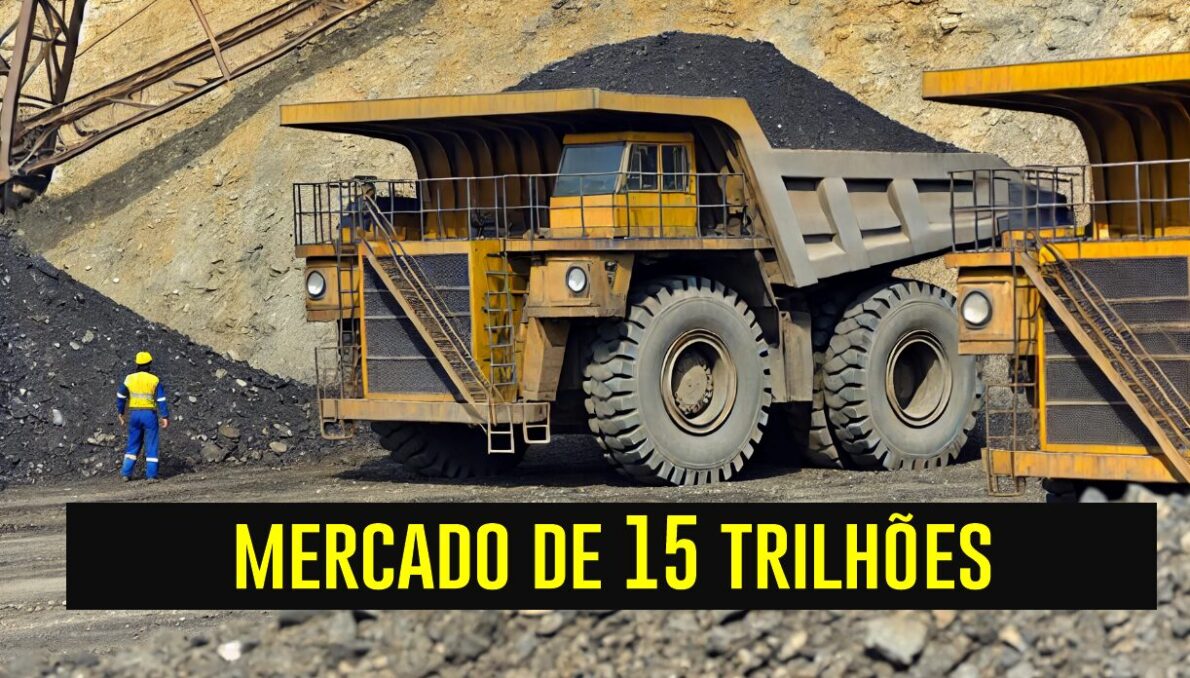

Investors with US$ 15 Trillion Must Adopt a New Approach in the Mining Sector to Meet the Growing Demand for Minerals and Metals Necessary for the Green Transition
The global transition to a low-carbon economy depends on technologies such as solar energy, wind energy, and electric vehicles, all of which are heavily reliant on minerals and metals. However, for the mining sector to meet the growing demand for these essential resources, investors need to adopt a new approach.
A recent report from the Global Investor Commission on Mining 2030, supported by major investors with US$ 15 trillion in assets, such as the California State Teachers’ Retirement System and Allianz Investment Management, makes clear recommendations on how investors can promote a more sustainable mining industry.
Mining and the Green Transition: An Urgent Need
Demand for minerals is set to triple by 2030, according to the International Energy Agency, as part of global efforts to achieve net-zero emissions by 2050.
-
China could reduce iron ore imports from 80% to 50% of consumption by 2030, while its share in global steel production falls from 52% to 46%, in a shift that could reshape the global market, says CMRG.

-
Brazil is sitting on one of the largest lithium reserves in the world, in the Jequitinhonha Valley, but national mining has almost become an appendage of China: 97% of the metal’s export goes to a single country, which also dominates refining.
-
Iron ore falls to 762 yuan in China as real estate sales decline and steel production hits lowest level since 2018
-
Brazil has minerals, clean energy, and a waiting market, but it could miss a billion-dollar opportunity if it doesn’t speed up the race for green minerals, while the steel industry seeks to reduce emissions.


Electrification of transportation, for example, requires a much larger amount of mineral inputs than technologies powered by combustion. A typical electric vehicle requires six times more minerals than a conventional car.
Therefore, the companies that extract, refine, and transport these materials become essential in the energy transition.
However, for this to happen sustainably, it is necessary to overcome the historical environmental and social harms associated with working with minerals, such as pollution from toxic waste and the use of child labor.
The Role of Investors in Transforming the Sector
Adam Matthews, Chair of the Mining Commission and Director of Investments at the Church of England Pensions Board, highlights that, despite the systemic importance of the mining sector, it has been penalized by investors due to its history of scandals.
Many investors who follow environmental, social, and governance (ESG) principles tend to underestimate the sector. However, according to Matthews, it is time to change this stance and adopt a more strategic and intentional approach towards the mining sector.
He argues that, without long-term commitment from investors, it will be difficult for mining companies to attract the necessary capital to meet future demand responsibly.
To accomplish this, investors need to better understand the mining ecosystem and identify ways to influence the environmental and social practices of the sector.
Recommendations for Investors and the Future of Mining
The report from the Global Investor Commission on Mining 2030 proposes six strategic objectives for investors, focusing on developing a common set of expectations and promoting better environmental and social practices.
Among the key recommendations is direct engagement with mining companies to drive improvements in the sector.
George Cheveley, Portfolio Manager at Ninety One, emphasizes that investor support is crucial in a capital-intensive sector like mining.
Simply divesting does not offer solutions to the sector’s problems and may even delay progress in the energy transition. Instead, a collaborative effort is needed to improve the practices of mining companies.
Fredric Nyström, Head of Sustainability and Governance at the Swedish pension fund AP3, complements this view by highlighting that investor influence extends beyond mining companies.
Industries dependent on these minerals, such as the automotive and renewable energy sectors, are also impacted.
In other words, even if an investor does not have direct exposure to mining, they may be financing companies that depend on the minerals extracted.
The Role of Major Investors in the Green Transition
The commission, which includes members such as Legal & General Group Plc, Scottish Widows, and Royal London Asset Management, is committed to transforming the mining sector to make it environmentally and socially responsible.
The involvement of major investors with the mining sector is crucial to ensure that the industry evolves to meet the demands of the green transition sustainably.
Investors have the power to influence mining sector practices, ensuring it becomes a pillar of the low-carbon economy, without sacrificing the environment or affected communities.
The future of the energy transition depends on effective collaboration between miners and investors, and long-term commitment from investors will be essential for this success.
Conclusion: The report from the Global Investor Commission on Mining 2030 highlights the importance of the role of investors in reshaping the mining sector, aligning it with the needs of the green transition.
With a growing demand for essential minerals for clean technologies, it is imperative that investors adopt a more active and intentional approach, promoting better environmental and social practices in the sector.