Portuguese
  Spanish



Legal Fuel Institute Faces The Challenge Of River Theft
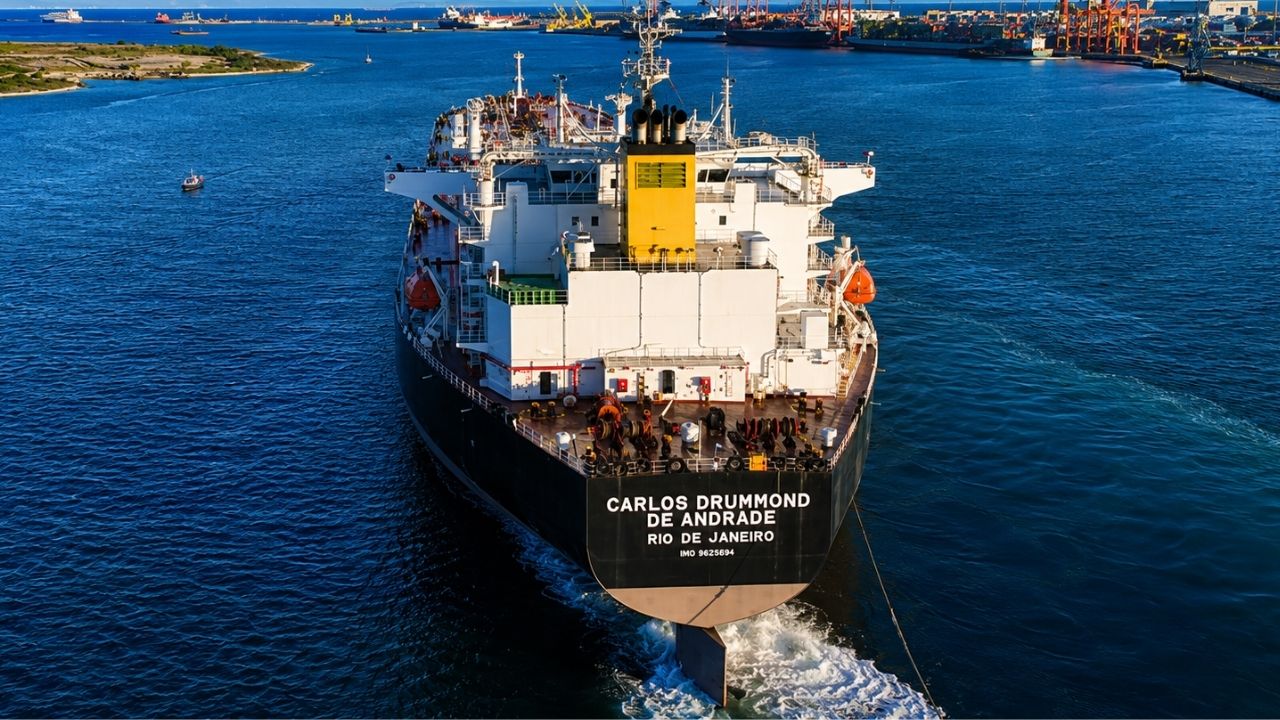
The Legal Fuel Institute (ILF) is intensifying efforts to combat the growing wave of crime on the rivers of Northern Brazil. Recently, a barge in Itacoatiara, Manaus, was robbed, resulting in the theft of 250,000 liters of fuel. This incident raises the total amount of fuel stolen in the region this year to over 780,000 liters, according to ILF data.
Carlo Faccio, director of ILF, highlighted the urgency of integrated actions to combat these crimes during the XVIII Meeting of Fuel Resellers of the North. The event brought together authorities and specialists to discuss strategies to strengthen oversight and security on the waterways.
The Importance Of Integration For Waterway Security
Waterway security is a growing concern, especially with the increase in attacks by river pirates. To combat these crimes, ILF proposes closer collaboration between federal and state institutions. The initiative seeks to improve information sharing and enhance operations against tax evasion and criminal practices, such as fuel adulteration.
-
OPEC+ Boosts Oil Supply by 188,000 Barrels per Day in July 2026, Leading to Price Drop from $112 to $89 per Barrel in Under Two Months

-
TotalEnergies Signs 20-Year Deal to Purchase 2 Million Tons of LNG from Alaska, Boosting Project Viability
-
Turkey Deploys Çağrı Bey Drilling Ship to Explore New Oil Frontier Off Somalia’s Coast
-
Golden Pass LNG Ships First Liquefied Gas Cargo from the U.S., Completing $10 Billion QatarEnergy and ExxonMobil Investment

This joint effort is crucial for protecting consumers and businesses in the fuel sector, creating a fairer and more transparent business environment. Faccio emphasizes the need for coordinated actions to curb such irregularities that affect society as a whole.
Strategies To Combat Organized Crime And Protect The Consumer
ILF is implementing several strategies to face the challenges of piracy on the rivers of the North. One of these initiatives includes strengthening intelligence and monitoring of the waterways, aiming to reduce the economic impact of thefts, which exceeds R$ 100 million annually.
In addition, the institute is working to enhance security agencies and reinforce laws to penalize illegal acts. Faccio highlights that thefts affect not only the fuel sector but can also compromise energy supply in the region, impacting socioeconomic development.
To engage the public in the fight against these crimes, ILF has created the “Report It” tool, available on its website. This platform allows consumers to report fraud and contribute actively to the fight against organized crime, strengthening oversight and security actions on the waterways of the North.
Source: Rodrigo Dutra.