





 Portuguese
  English
  Spanish
 2 min of reading



Impact Of Price Fluctuations On Brazilian Pockets
The last part of September brought subtle movements in automotive fuel prices in Brazil. Attention turns to ethanol, which saw a slight increase in price, yet remains an economical option in various regions. In contrast, diesel and gasoline showed minimal variations, suggesting stability.
Gasoline: Light Fluctuations And Regional Differences
The fourth week of the month recorded an almost imperceptible decrease in gasoline, with the national average set at R$ 5.986 per liter. This scenario was identified through an in-depth study by ValeCard, an authority on mobility.
São Paulo led with the most affordable price at R$ 5.775 per liter, while Roraima marked the opposite end with an average of R$ 6.671.
-
Casa CazéTV transforms internet chat into a live event during the World Cup, targeting over 100,000 fans in São Paulo and Rio, and boosts a Brazilian experience company that expects to grow up to 60% with shows, big screens, activations, and Brazil’s games.

-
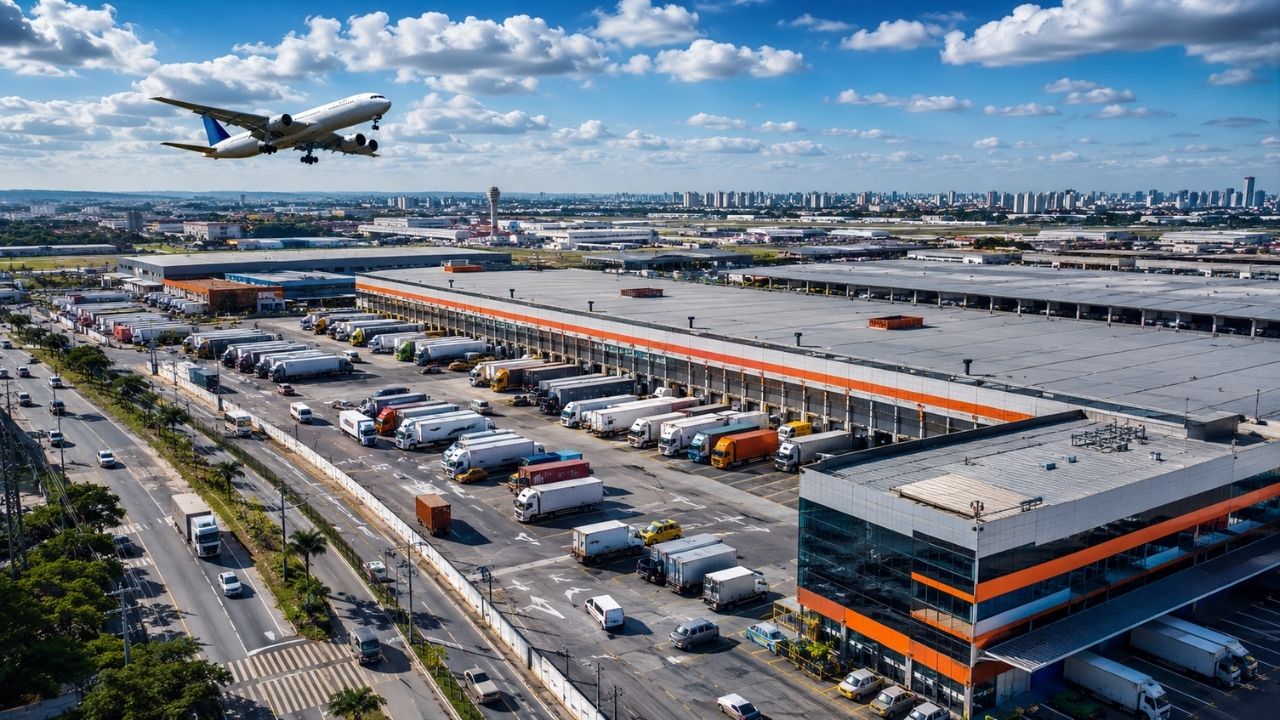
Guarulhos becomes the “Faria Lima of warehouses” with logistics square meter at R$ 37.11, more expensive than the São Paulo capital, while Shopee, Mercado Livre, Amazon, and billion-dollar funds compete for space near the largest airport in South America.
-
Amazon plans to invest more than R$ 1 billion to transform the Brazilian airport into a major cargo hub; the agreement with the city hall is expected to be signed by 2026 and could generate around 5,000 jobs.

-
Fan discovers that watching the 2026 World Cup may cost more than an international trip: variable tickets, expensive train, R$ 92 beer, and FIFA’s billion-dollar revenue turn the World Cup into a warning for the wallet.



Brendon Rodrigues, innovation specialist at ValeCard, points out: “Retail competition and the interchange with ethanol in flex-fuel cars have stabilized gasoline. However, its 7% lag compared to the international market may signal changes soon.”
Diesel: A Scenario Of Mild Increase
During the same period, diesel saw an almost negligible increase, settling at an average of R$ 6.402 per liter. Rodrigues, when discussing the topic, emphasizes: “After several weeks of rising adjustments, we see a stabilization in diesel. The high price of oil in the global market may lead to further increases soon.”
Rio Grande do Sul caught attention with the most affordable diesel, while Roraima stood out at the other extreme.
Ethanol On The Rise: Renewable And Advantageous
Meanwhile, hydrated ethanol, used directly as fuel, saw a 0.40% increase, marking R$ 3.777 per liter. The increase in demand for this fuel may have driven this growth, as Rodrigues notes.
The largest increases in ethanol were noted in Rio Grande do Norte, Goiás, and Sergipe. In contrast, São Paulo boasted the lowest price, and Amazonas, the highest.
Price variations influence the choices of those with flex-fuel vehicles. ValeCard’s metric suggests that ethanol is advantageous when its price is 70% (or less) of the price of gasoline. This ratio offers valuable insights into the profitability of each option.
Source: ValeCard







Be the first to react!