






 Portuguese
  Spanish


We Analyze The Details, From Supermaneuverability To The 400 Km Radar, That Make The Flanker-E A True Predator Of The Skies.
The Sukhoi Su-35S, known to NATO as the Flanker-E, is often referred to as the masterpiece of 4th generation fighters. Considered a 4++ generation aircraft, it incorporates technologies that bring it closer to 5th generation fighters. Its reputation as a legend of aerial combat is no coincidence; it is the result of a design that prioritizes agility, power, and situational awareness.
From The Su-27 To The Powerful Su-35S
The history of the Su-35S fighter begins with its predecessor, the renowned Su-27 Flanker. However, the Su-35S is much more than a simple upgrade. It has been so extensively redesigned that it is practically a new aircraft. The goal was clear: take a well-established platform and elevate it to a new level of performance in aerial combat.
Challenging Physics With Thrust Vectoring
The most famous feature of the Su-35S is its supermaneuverability. This is made possible by its two engines with thrust vectoring nozzles. This technology allows the pilot to direct the engines’ thrust at different angles, regardless of the aircraft’s direction. The result is the ability to perform complex and unpredictable maneuvers in a dogfight, which would be impossible for conventional fighters.
-
U.S. Navy’s Ticonderoga-class Cruiser Becomes a 9,800-Ton Missile Fortress with Advanced Aegis System Capable of Tracking Hundreds of Targets

-
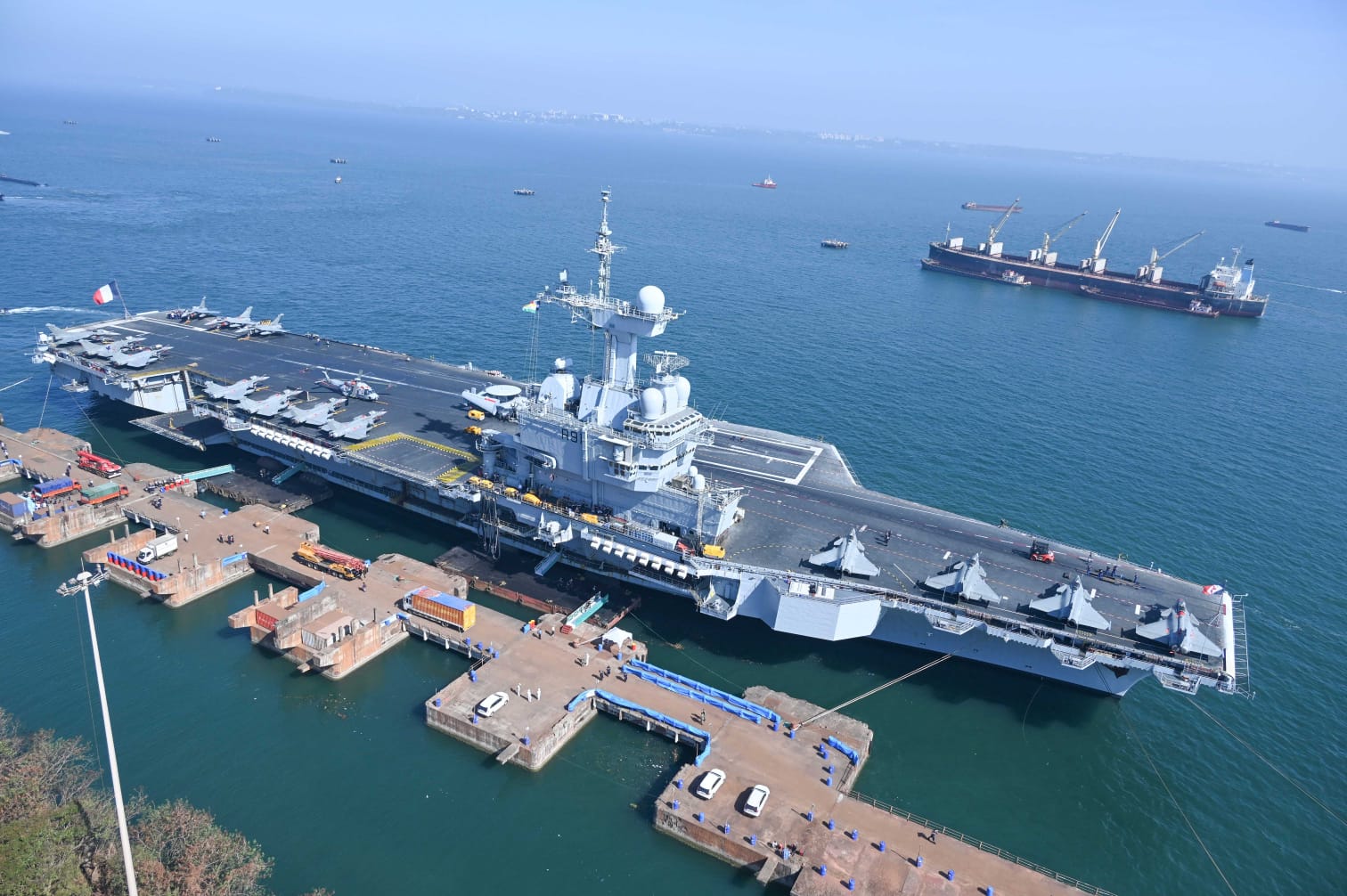
France’s Charles de Gaulle: The Sole Nuclear-Powered Aircraft Carrier Outside the US, Weighing 42,500 Tons and Equipped with Two Atomic Reactors

-
The military spaceplane that almost took the Cold War into orbit: Boeing X-20 Dyna-Soar was designed to re-enter above Mach 20, fly for up to 40 hours, land like a plane, and transform Titan rockets into a gateway to a new era of orbital warfare.
-
FAB bets on national drones and increases investments to strengthen the Brazilian aerospace industry




Saturn AL-41F1S Engines
The heart of the Su-35S fighter is its two powerful Saturn AL-41F1S engines. In addition to allowing extreme agility, they give the aircraft the capability for “supercruise.” This means the Su-35S can maintain supersonic speeds for extended periods without the need to use its afterburners, which consume a tremendous amount of fuel. This capability represents a crucial tactical advantage, allowing the fighter to engage or disengage from combat more quickly and efficiently.
The Irbis-E Radar And The IRST System
A modern fighter needs to see the enemy before being seen. The Su-35S does this expertly using its passive electronically scanned array radar (PESA), the Irbis-E. This powerful system can detect and track up to 30 aerial targets simultaneously, at ranges of up to 400 kilometers. Complementing the radar, the fighter features a infrared search and track system (IRST) OLS-35. It allows for the passive detection of the heat from enemy aircraft engines without emitting radar signals that could reveal its position.
A Versatile And Lethal Arsenal For Dominating The Skies
The combat capability of the Su-35S fighter is enhanced by its vast arsenal. The aircraft can carry up to 8,000 kg of weapons distributed across 12 to 14 hardpoints. Its load includes a variety of long and short-range air-to-air missiles, anti-ship missiles, anti-radiation missiles, and various guided bombs for ground attacks. In addition, it features a 30 mm automatic cannon for close combat, making it a complete and adaptable weapon platform for any mission scenario.






Be the first to react!