






 Portuguese
  Spanish
  3 min of reading
  0 comments


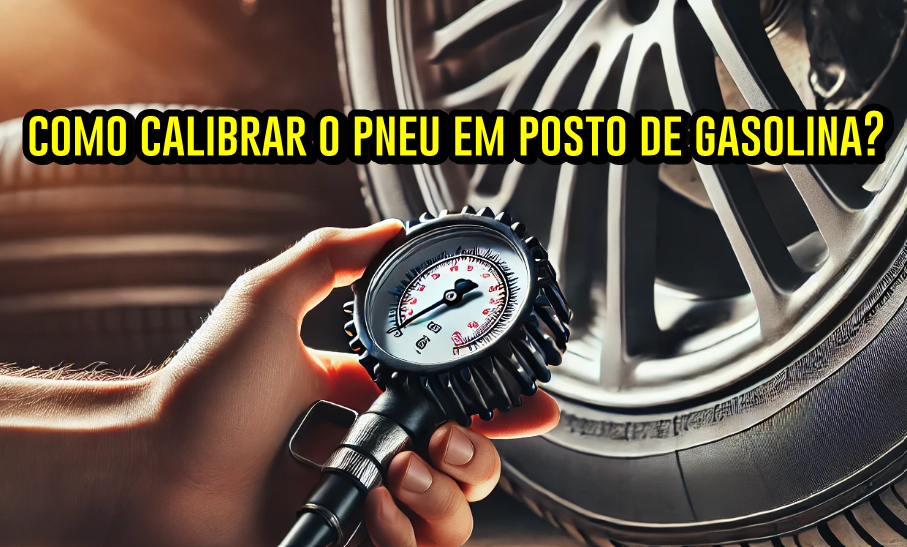
Know How to Inflate the Tires of Your Vehicle at Our Fuel Stations and Discover Practical Tips to Ensure Ideal Inflation
Do you already know how to inflate the tires of your car, motorcycle, or bicycle? Maintaining the recommended pressure not only increases safety and efficiency in driving, but it can also help save on fuel. We will show you how to do this at the stations or even at home and explain how to find the ideal pressure for each vehicle. Let’s go?
What Is Tire Inflation?
Tire inflation is simply adjusting the pressure of our tires to the level recommended by the manufacturer. Measured in PSI (pounds per square inch), the ideal pressure can be obtained with compressed air (the most common method) or even with nitrogen, a more modern option with additional benefits. Some other less common units of measurement include BAR and kPa, but they all have the same goal: to ensure that the tires have the correct pressure for safety and performance.
Why Is Inflating Tires So Important?
Misadjusted tires can compromise grip on the pavement and increase the risk of accidents, as well as increase fuel consumption by up to 20%. But there are also other good reasons to maintain the ideal pressure:
-
The Ford Ranger plug-in hybrid, the same rugged pickup that handles 800 mm of water, becomes a plug-in pickup with a flex-fuel ethanol engine and is chosen as the International Pickup of 2026.

-
New 0km electric car costs less than R$ 50,000 with an 18 hp engine, carries up to 6 people, travels over 100 km per charge, recharges in a regular outlet, and surprises by dispensing with airbags and limiting speed to 50 km/h in Mexico.
-
Pressure from residents forces a U.S. energy utility to suspend negotiations with a data center that could require 500 megawatts by 2032 and demand new lines, reinforcements in the power grid, and large infrastructure investments.

-
New Honda HooRide 125 scooter debuts in China with ADV styling, 17-inch wheels, TFT panel, Smart Key, and fuel consumption of up to 47.17 km/l, aiming to resemble an urban X-ADV with a 125 engine, CVT transmission, and an economical proposal for cities.


- Fuel Savings: Tires with the correct pressure create less friction and activate the engine less, which helps save at the pump.
- Tire Longevity: Inflated tires last longer, as they prevent uneven wear or damage from impacts on the roads.
- Less Maintenance: Keeping the tires inflated spares the engine and transmission from extra stress.
- More Comfort: With the right inflation, your car or motorcycle will have a smoother ride and be less affected by bumps.
How to Know If the Pressure Is Correct? And When to Inflate?
To know the ideal pressure, check your vehicle’s manual, which usually indicates the recommended pressure for front and rear tires. It is good to check the tire pressure every two to four weeks and especially before long trips or if the car is heavier. And don’t forget about the spare tire!
Step by Step: How to Inflate a Car Tire
- Cool the Tires: Leave the car stationary for at least 3 hours before inflating.
- Find the Ideal Pressure: Check the label on the inside of the door or on the gas tank lid. The pressure usually varies between 28 and 40 PSI.
- Connect the Gauge: Remove the valve cap and fit the gauge onto the valve.
- Inflate: Add or release air until reaching the correct pressure.
- Replace the Cap and repeat the process on the other tires.
How to Inflate Motorcycle Tires
For motorcycles, inflation is similar, but there are a few extra tips:
- Always with Cold Tires: Inflate the motorcycle tires when they are cold for an accurate reading.
- Check the Pressure Indicated in the Manual: it typically varies between 29 and 36 PSI.
- Be Careful with the Front Tire: In some motorcycles, the front tire may require lower pressure.
- Seek Help if Necessary: If in doubt, do not hesitate to consult a specialist.
How to Inflate Bicycle Tires
- Use a Proper Air Pump: Check the type of valve on the tire (Presta or Schrader).
- Adjust to the Ideal Pressure: The ideal pressure varies between 30 and 50 PSI, depending on the type of terrain.
- Inflate Carefully and adjust as needed.
Common Mistakes in Tire Inflation
Some common mistakes include:
- Insufficient or Excessive Inflation: Both low and high pressure can reduce the lifespan of the tires.
- Ignoring Load Weight: The pressure must be adjusted according to the extra weight.
- Inflating Hot Tires: Prefer to inflate cold tires, as the reading will be more accurate.
Maintaining proper inflation is simple, but essential for those who value the safety and performance of their vehicle. And whenever you need, you can count on us to inflate the tires and ensure that the trip is smooth and economical.


Be the first to react!