Portuguese
  Spanish




In 2026, the Longest Bus Ride in Brazil Maintains a Route Longer Than 4,500 Km Between Porto Alegre and Santarém, Crossing Six States, Requiring More Than 75 Hours of Continuous Travel and Revealing Costs, Operational Logistics, Comfort Conditions, and Limits of National Road Infrastructure
The longest bus ride in Brazil connects Porto Alegre to Santarém on a route longer than 4,500 km, lasting just over three days, crossing six states, dozens of operational stops, and revealing costs, logistics, and limitations of the national road infrastructure.
General Characteristics of the Journey and Operational Structure of the Route
The longest bus ride in Brazil departs from Porto Alegre, in Rio Grande do Sul, and its final destination is Santarém, in Pará. The route passes through Santa Catarina, Paraná, Mato Grosso do Sul, and Mato Grosso, totaling six states crossed continuously.
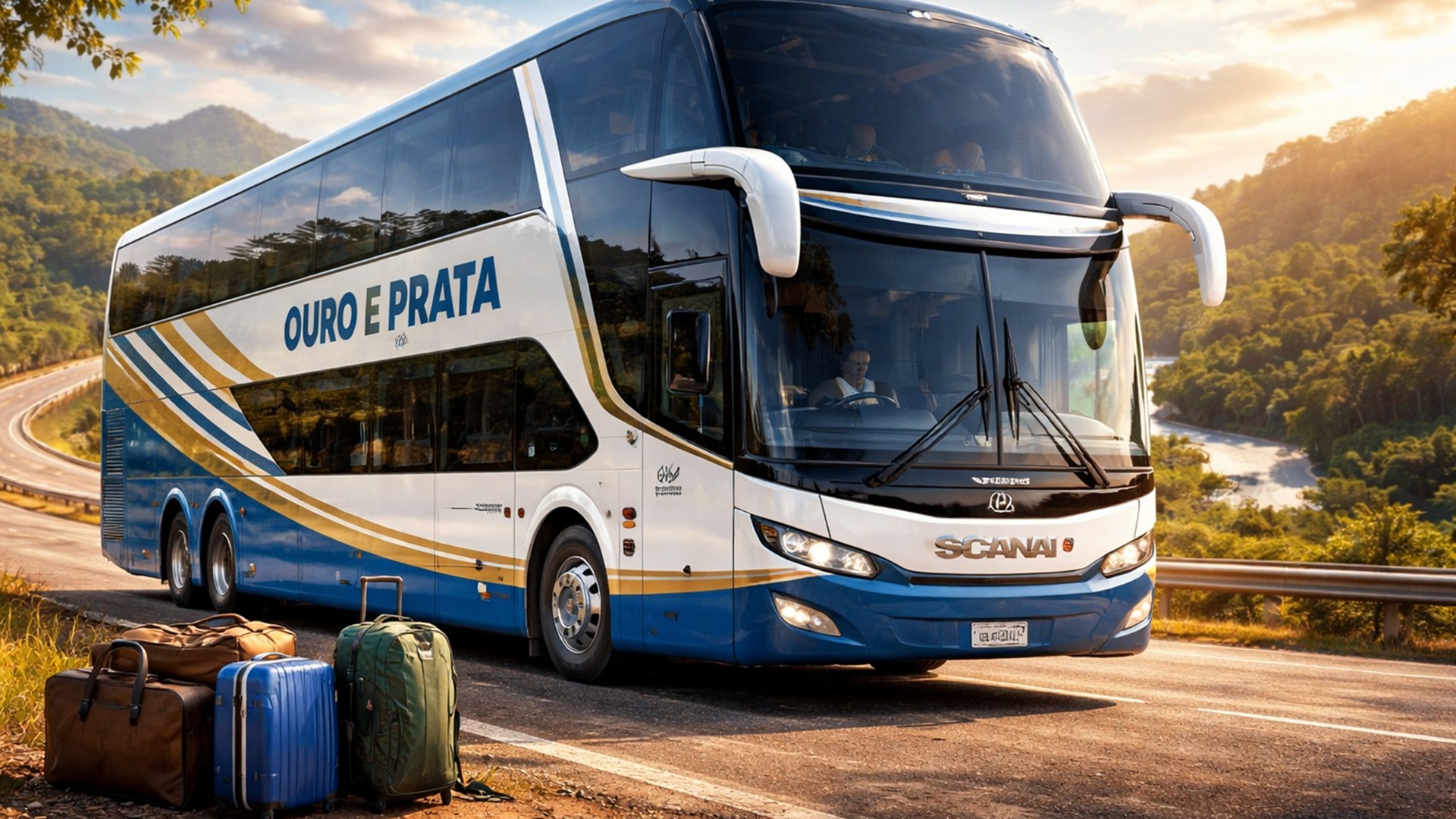
The line has three daily departure times and is operated by the company Ouro e Prata, founded in 1939 in Rio Grande do Sul. Currently, the company serves over 400 destinations in different regions of the country, maintaining regular long-distance operations.
-
Brazilian Construction Worker Moves to France, Earns Up to €2,500 Monthly with Home Renovations, Gains Social Media Attention

-
US Navy Sinks USS Oriskany with 230 kg of C-4, Creating World’s Largest Artificial Reef in 37 Minutes

-
U.S. Dumped Tanks, Jeeps, and Coca-Cola into the Pacific in 1945 After British and French Lowball Offer, Creating “Million Dollar Point”
-
WHO Warns of Unnecessary Interventions in Natural Births Worldwide, Advocates for More Human-Centered Care, Reigniting Debate on Medicalization





The bus used for the route is a semi-reclining model, with seats equipped with footrests, USB type A and C ports, individual lighting, and air conditioning. The vehicle also has a restroom and a refrigerator with water available to passengers.
The model is a double-decker bus, with the lower deck completely dedicated to carrying luggage and cargo. The drivers’ cabin is located on the lower level, while passengers occupy the upper deck throughout the trip.
Duration, Stops, and Dynamics of the Interstate Route
The total travel time exceeds 75 hours, spread over three days and almost five additional hours. Along the route, the bus makes about 50 stops for passenger boarding and disembarking, as well as technical stops for meals and refueling.
Not all passengers travel the full route. Most use only intermediate segments, especially between cities in the South and the Midwest, while a smaller group continues to the final destination in the North of the country.
Meal stops usually last between 20 and 25 minutes, a time considered insufficient for a shower. Throughout the entire route, there is no regular availability of showers, requiring adaptation from passengers on long journeys.
During the journey, the bus crosses different time zones. Upon entering Mato Grosso do Sul, the clock turns back one hour, returning to Brasília time only when entering Pará.
Ticket Costs and Additional Expenses During the Journey
The ticket price for the full route between Porto Alegre and Santarém is around R$ 2,000, potentially reaching approximately R$ 2,200, depending on the time of purchase and the payment conditions offered.
In addition to the ticket cost, passengers must bear food expenses along the route. Even bringing snacks from home, purchasing meals at bus stations and roadside restaurants becomes inevitable on such an extensive journey.
The total spending on food throughout the trip can exceed R$ 500, considering breakfasts, lunches, and dinners. Prices vary according to the region and the stopping point, with values generally higher at bus stations.
Meals are mostly taken in self-service restaurants or snack bars, with options limited by the short time available for each stop.
Driver Changes, Safety, and Maintenance Routine
Throughout the entire journey, the bus is driven by nine different drivers. Each professional takes on a specific segment of the route, with average shifts of up to eight hours, respecting rest and safety regulations.
Driver changes occur in strategic cities along the route, mainly in large regional centers. This system allows for continuous operation without compromising driving safety.
During stops for refueling and meals, teams conduct internal cleaning of the bus, collecting trash and sanitizing the restroom. Basic maintenance occurs along the route without removing the vehicle from operation.
The drivers also advise passengers regarding the use of headphones and respect for silence, aiming to ensure a more suitable environment for rest during long travel periods.
Connectivity, Interaction, and Passenger Experience
Despite the long duration, the bus offers satellite internet connection, allowing access to streaming, messaging, and other online services. Connectivity helps reduce the feeling of isolation during the trip.
Interaction among passengers is marked by the constant turnover of seat occupants. People of different ages, professions, and regions share part of the journey, often for just a few hours.
Among the passengers are workers in temporary relocation, retirees visiting family, students traveling alone, and residents of the North who regularly use the line.
This turnover creates an environment of continuous interaction, where personal stories quickly intersect before each disembarkation.
Progress Through the Midwest and Gradual Change of Landscape
In Mato Grosso do Sul and Mato Grosso, the landscape changes gradually. Urban areas give way to extensive rural stretches, with long straights, a heavy presence of trucks, and lower population density.
BR-163, especially during the harvest season, requires extra attention from drivers due to the high flow of heavy vehicles. Still, the route continues without prolonged interruptions.
The stops in cities such as Dourados, Cuiabá, Lucas do Rio Verde, and Sinop mark points of reorganization for the flow of passengers and drivers, maintaining continuous operation.
Final Segment in Pará and Challenges of Road Infrastructure
Entering Pará marks the final stage of the longest bus journey in Brazil. The bus travels part of BR-230, the Transamazonica, a highway built in the 1970s aimed at integrating Northern regions with the rest of the country.
Despite its strategic importance, large stretches of the highway still present poor infrastructure, with potholes and unpaved sections, which increases travel time and requires constant maneuvering from drivers.
In this segment, the progress is slower, and the estimated time can vary depending on road conditions. Still, the operation continues to Santarém without interruptions.
Arrival in Santarém and Conclusion of the Journey
After just over three days of continuous travel, the bus arrives at Santarém’s bus station, in the western part of Pará. The final destination is close to the confluence of the Tapajós and Amazon rivers.
The conclusion of the journey highlights Brazil’s territorial extent and the role of road transport in connecting distant regions. For many passengers, this route represents the only viable long-distance travel alternative.
More than an extreme journey, the longest bus ride in Brazil serves as a corridor for social and economic integration, connecting distinct realities through regular and continuous operation.
This article was prepared based on reports and information shared on the channel Alexandro Supertramp, which fully documented the longest bus journey in Brazil between Porto Alegre and Santarém.