Portuguese
  Spanish




The Western Paulista Region Advances in Renewable Energy Production, Attracts New Investments, Strengthens Sustainability, and Expands Opportunities in Green Jobs with Direct Impact on the Local Economy
The Western Paulista region has surpassed 1.5 gigawatts (GW) of installed capacity in renewable energy, establishing itself as one of the most important regions in Brazil for clean generation. The information, released on December 1, 2025, by the G1, reinforces the continuous expansion of sustainable projects that are transforming the Paulista energy matrix. This progress reflects solid investments, an increase in regional competitiveness, and direct impacts on economic development, green job creation, and the promotion of sustainability.
Accelerated Expansion of Renewable Energy in the Western Paulista Region
The outcome places the Western Paulista region in a prominent national position, stimulating productive chains linked to technology, infrastructure, and services, while projecting a favorable scenario for the medium and long term.
The mark of 1.5 GW represents a significant advance in the use of renewable energy in the region. This is a substantial volume, built from the continuous expansion of solar plants, hydropower plants, and other clean solutions that make up the local matrix.
-
Brazilian scientists are simultaneously advancing two research projects on clean hydrogen and driving solutions that could transform the energy matrix, enhance industrial competitiveness, and accelerate large-scale emission reduction targets.

-
Advancement in renewable energy: A R$ 150 million project launched by Petrobras and Finep aims to create state-of-the-art electrolyzers for green hydrogen, strengthening national research and preparing Brazil to compete in a billion-dollar energy market.
-
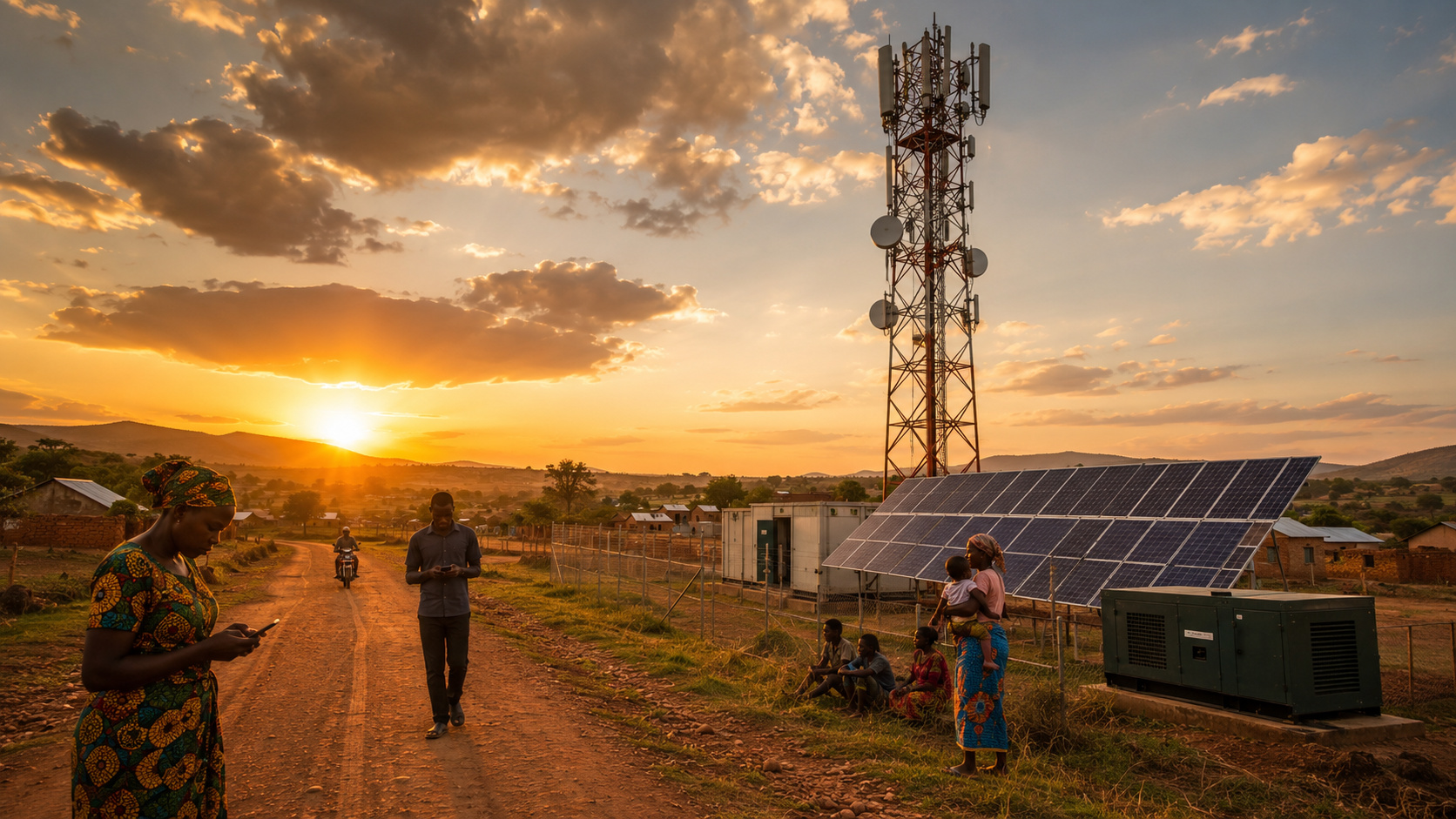
Illiterate or semi-literate grandmothers were trained to repair solar systems, open rural workshops, and light up homes that still depended on kerosene.
-
The world has bet on green hydrogen as the fuel of the future, but now faces the side effect: producing 1 kilogram requires about 9 liters of ultrapure water, and the largest projects on the planet are precisely in the driest regions of the Earth, where water is already scarce for people.




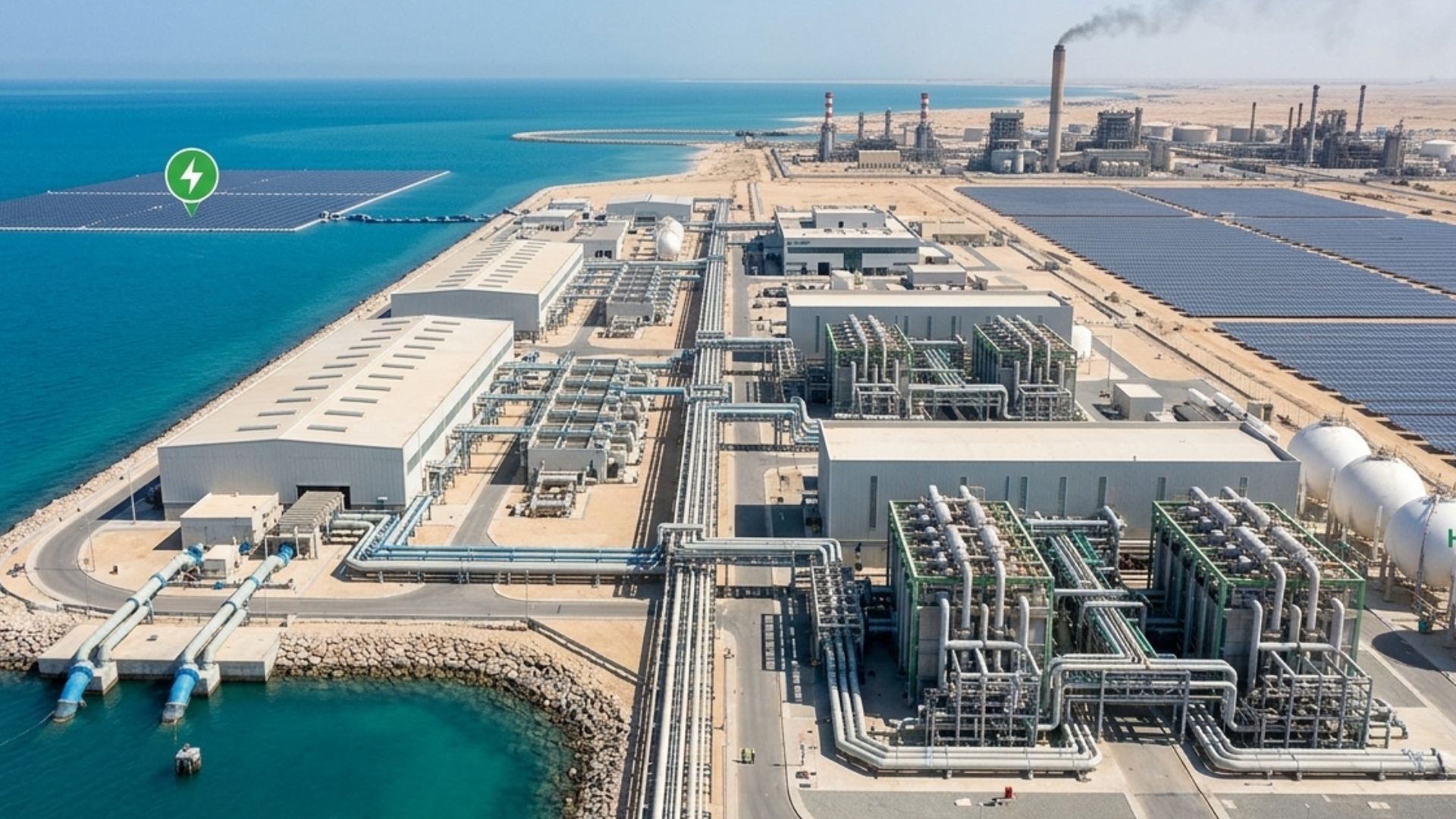
Although the detailed figures vary according to the type of venture, the consolidated total reinforces a consistent trend of robust and diversified investments. This growth reflects the result of long-term planning, integration of public policies, and the actions of specialized private companies.
The Western Paulista region has become a national reference by increasing renewable energy production in an organized manner, taking advantage of favorable geographical characteristics and available infrastructure.
Additionally, the expansion contributes to the reduction of greenhouse gas emissions, essential in a global scenario of climate concerns. Thus, the region remains aligned with Brazil’s energy transition and sustainability goals, reinforcing its strategic role.
Main Sources of Renewable Energy Used in the Western Paulista Region
About 30% of the renewable capacity in the Western Paulista region — approximately 0.5 GW — comes from small solar plants categorized as micro and mini distributed generation (MMGD).
In the distributed generation segment, Presidente Prudente is the municipality with the highest prominence, totaling 96 MW of installed capacity in solar photovoltaics. Nationally, São Paulo also maintains its leadership, reaching 6.1 GW in distributed solar generation, which represents 14% of all installed capacity in Brazil.
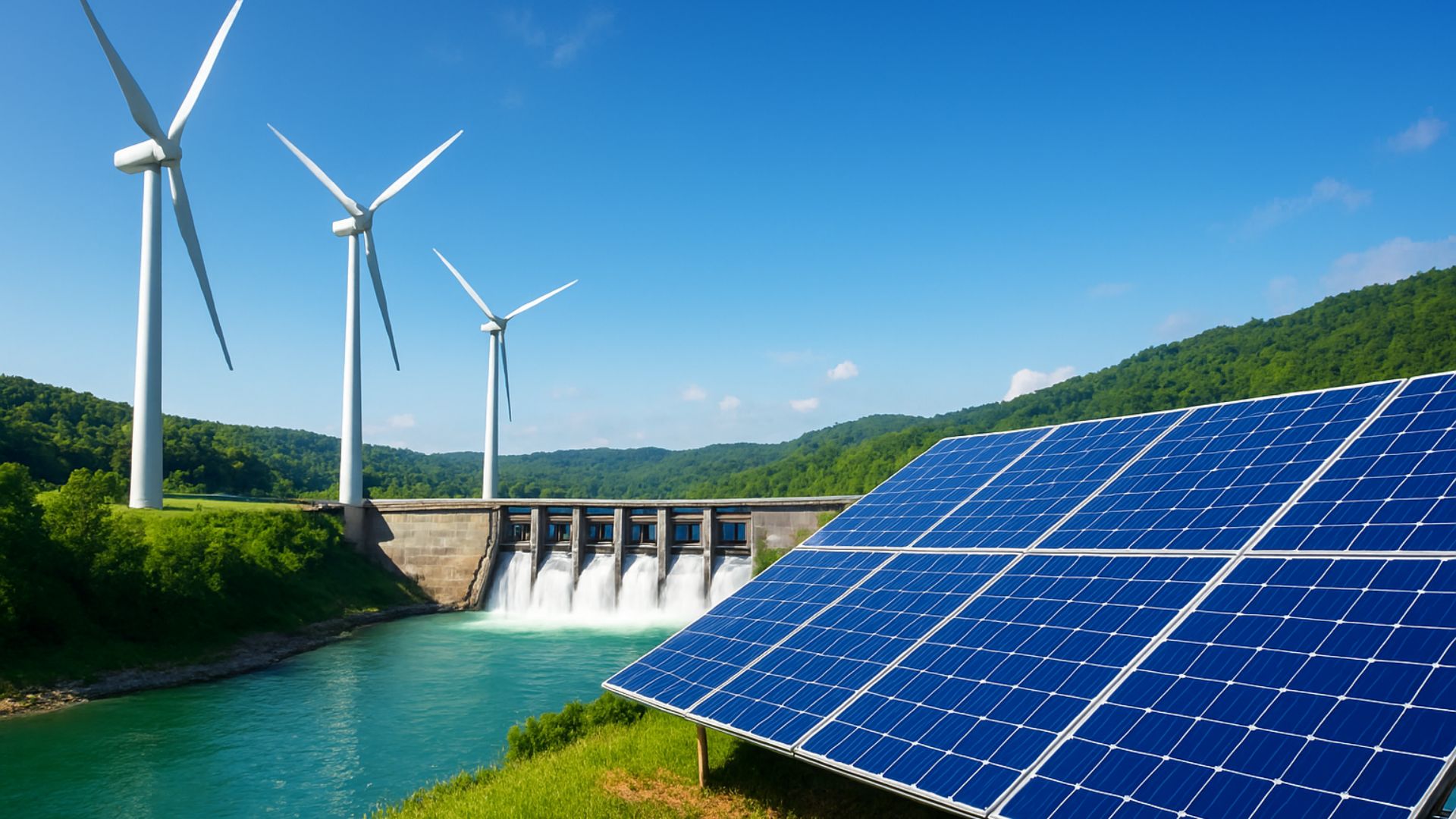
The other 70% of the region’s renewable matrix — about 1.0 GW — comes from centralized, larger-scale plants with varied sources. Among them, the Capivara Hydroelectric Plant, located in Taciba, stands out with its 643 MW of installed capacity. Utilizing the hydraulic potential of the Paranapanema River, it remains the main pillar of regional electric production.
In addition to hydropower, the Western Paulista region features strong generation from bioenergy derived from sugarcane, a traditional sector in the territory. In this group, biomass-fired thermoelectric plants have a significant share, including:
- 130 MW in Narandiba
- 100 MW in Junqueirópolis
These operations reflect the importance of agribusiness in the Paulista energy transition. Closing the array of clean sources, the region also has a centralized solar plant of 27 MW located in Dracena, enhancing the diversity and robustness of the local electric matrix.
Understand the Role of Sustainability and the Clean Energy Matrix
Sustainability has become one of the central pillars of Paulista energy policy, especially in the Western Paulista region, where the expansion of renewable plants has generated direct impacts on environmental preservation. The adoption of this model reduces dependence on fossil sources, diminishes impacts on the ecosystem, and strengthens conservation and efficiency measures.
In recent years, the State of São Paulo has increased its share of clean sources. According to recent energy balance reports, solar, hydropower, and wind energies have received greater attention due to their potential for return and scalability. The evolution recorded in the Western Paulista region aligns with this state trend and reinforces socioenvironmental benefits.
Sustainability not only guides public policies but also attracts companies concerned with climate responsibility. As industries seek to reduce their carbon footprint, regions with renewable energy infrastructure tend to become more competitive.
Investments Driven by the Expansion of Renewable Energy
The consolidation of 1.5 GW of production strengthens the image of the Western Paulista region as an energy infrastructure investment hub. The arrival of new ventures, technology companies, equipment manufacturers, and service providers has heated the local economy.
This movement generates ripple effects:
- new contracts for the installation and maintenance of plants;
- modernization of the transmission network;
- expansion of research and innovation projects;
- strengthening of public-private partnerships.
Moreover, the diversification of sources and the energy security offered by the region attract industries from various sectors. Companies that depend on stable and sustainable supply see the Western Paulista region as a conducive environment for operations.
As a consequence, there is growth in complementary businesses, from logistics and transportation to professional training. The investment cycle creates a dynamic economic environment connected with global trends in sustainable development.
Infrastructure, Challenges, and Needs for the Future of Sustainability
Even with the significant mark of 1.5 GW, continued growth depends on ongoing investments in transmission and distribution infrastructure. The integration of new plants requires:
- adequate transmission lines;
- modernized substations;
- more efficient control systems;
- enhanced management of the variability of solar and hydropower.
Another challenge involves regulations and public policies. The modernization of the sector demands continuous updates, incentives, and standards that guarantee predictability for investors. Distributed generation models, for example, continue to evolve and require special attention.
The adoption of new technologies will also be fundamental. Energy storage solutions, hybrid plants, and intelligent automation systems can reduce losses, increase efficiency, and make operations more resilient.
Finally, the expansion of renewable energy must consider social impacts, ensuring that communities near the ventures benefit from inclusion, training, and income generation programs.
The Importance of Energy Advancement in the Western Paulista Region
The achievement of 1.5 GW of capacity in renewable energy marks a new stage in the development of the Western Paulista region, which has come to occupy a central role in the transformation of the Brazilian energy matrix.
The economic, social, and environmental impact of this growth demonstrates that the region is prepared to lead new phases of the energy transition, reinforcing its competitiveness and contributing to sustainability goals in the country.
As investments continue to flow and green jobs multiply, the Western Paulista region reaffirms its prominence and positions itself as a national reference in clean energy, innovation, and responsible development.