Portuguese
  Spanish


Company Announces Plan to Build a Giant Cargo Ship with Nuclear Propulsion and Capacity for 15,000 Containers, Revolutionizing Maritime Transport.
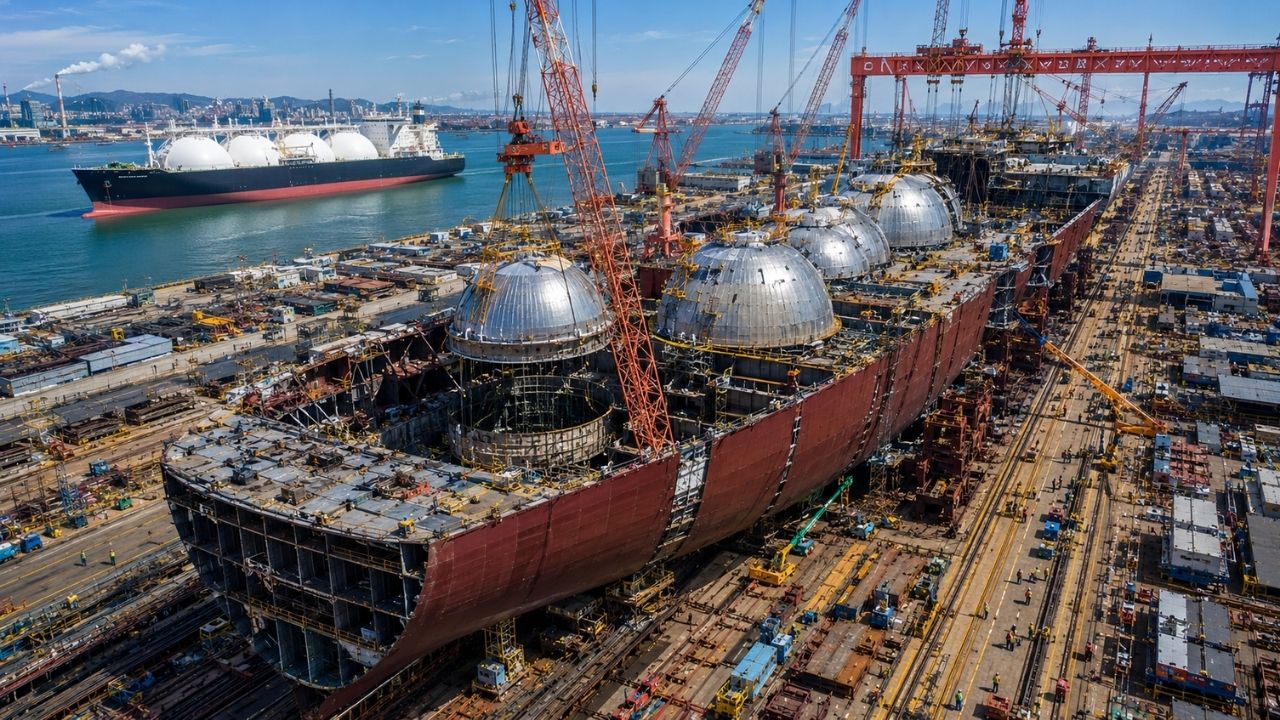
The shipbuilding industry is about to witness a revolution. Hyundai, through HD Korea Shipbuilding & Offshore Engineering (HD KSOE), has announced plans to build a colossal container ship powered by nuclear energy.
With a capacity for 15,000 containers, this vessel promises to redefine maritime transport, drastically reducing carbon emissions. The project, utilizing Small Modular Reactors (SMR), marks an important step towards decarbonizing the sector.
To deepen this advancement, Hyundai plans to integrate complementary technologies such as route optimization with artificial intelligence and continuous monitoring of energy efficiency. Environmental impact studies are underway to mitigate possible ecological risks.
-
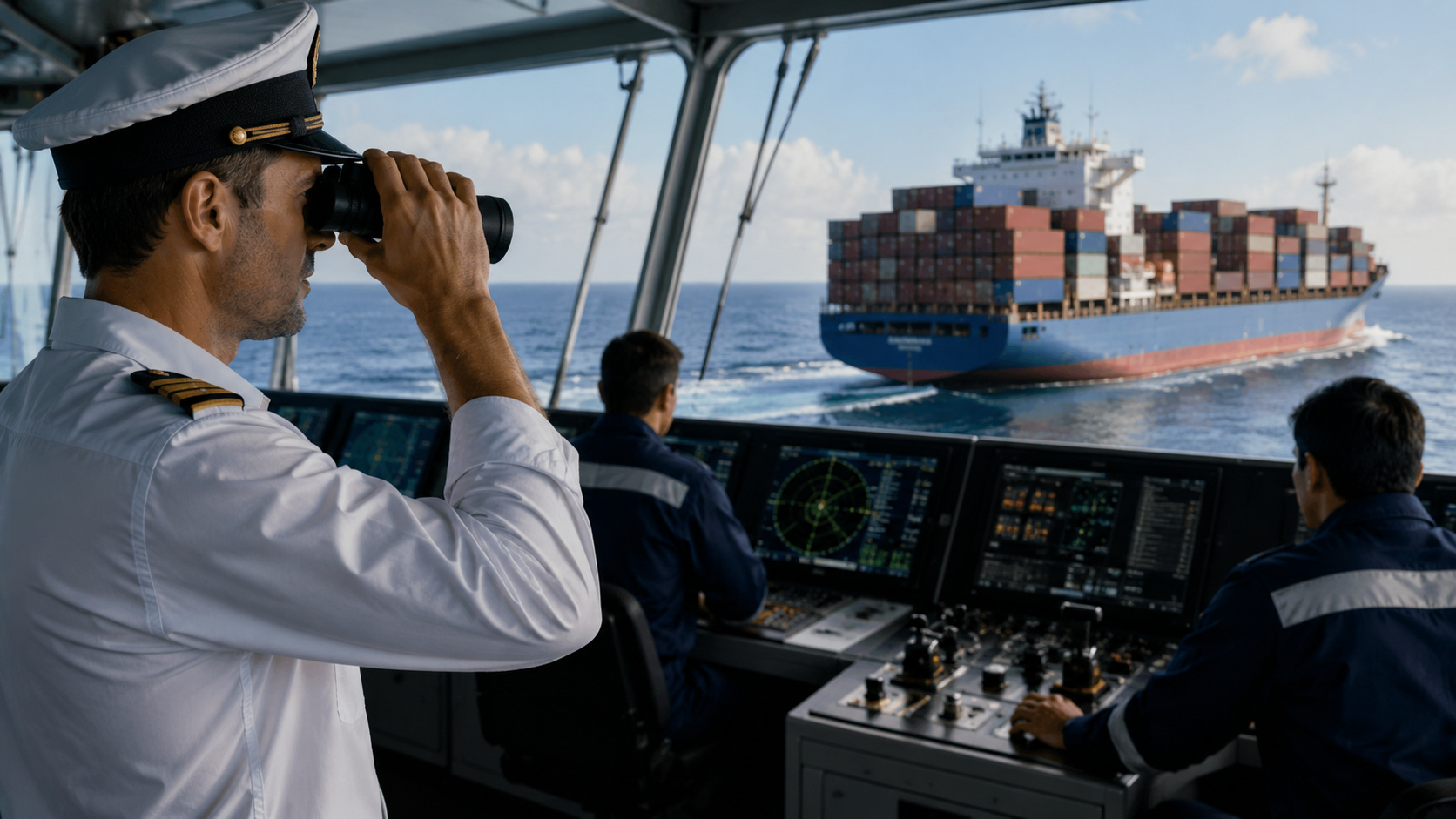
Global Shipping Faces Shortage of Certified Maritime Officers, Salaries in the U.S. Can Exceed $100,000 Annually

-
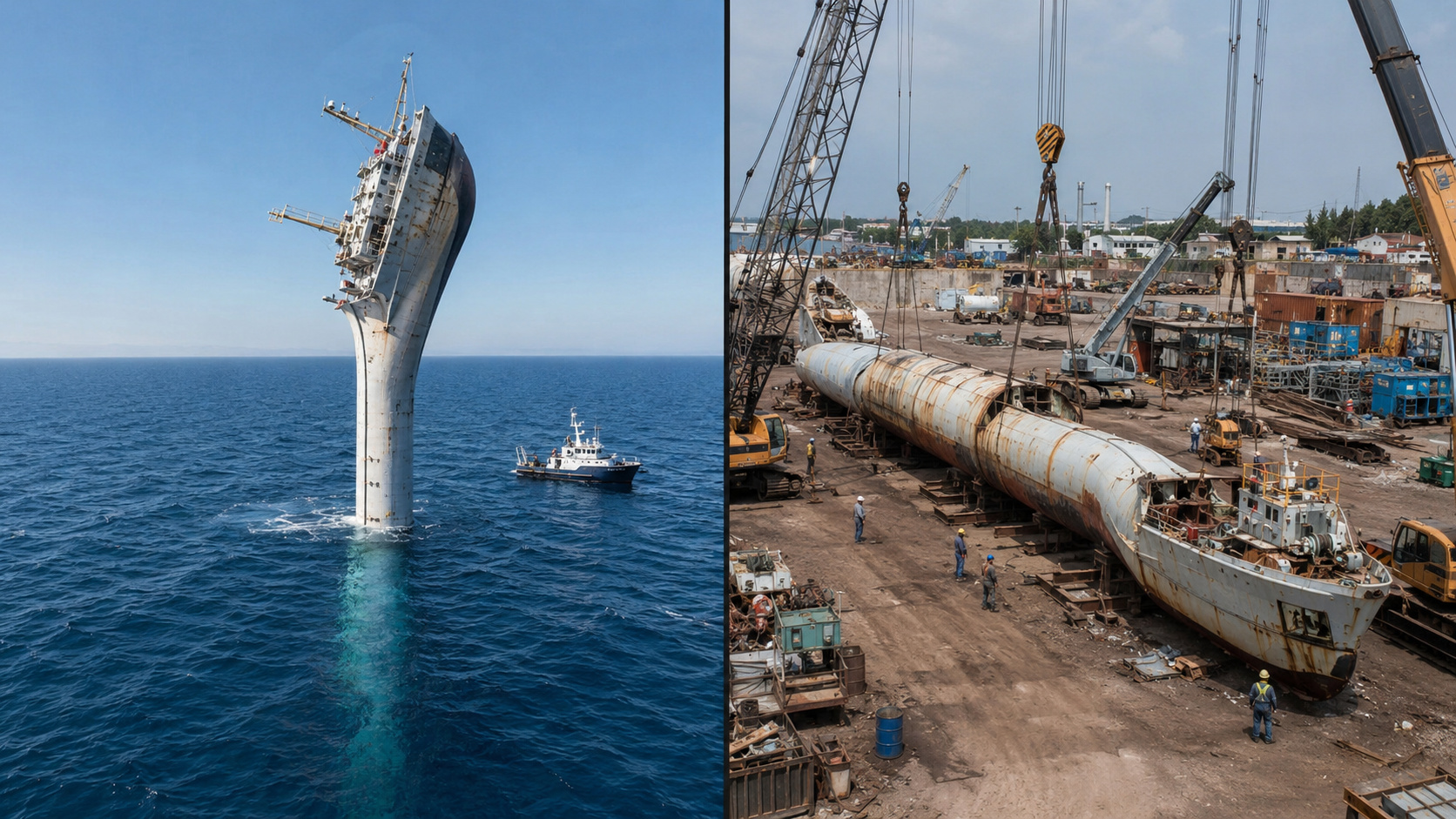
The FLIP: A 108-Meter Ocean Laboratory That Stood Vertically for 60 Years, Dismantled in 2023
-
North Korean Fiasco: Launch of the Largest Warship Ends in Sinking

-
While giant ships still burn heavy fuel and the maritime sector races against climate targets, Maersk and Vale are starting to bet on ethanol as a new route to reduce emissions at sea.



SMR Technology
HD KSOE presented the project at the New Nuclear for Maritime Houston Summit in the United States. The innovation is based on small modular reactors, which have been approved in principle by the American Bureau of Shipping (ABS).
These reactors eliminate the need for traditional engines and fuel tanks, freeing up space to increase cargo capacity.
Additionally, the company has developed an advanced radiation shielding system, using stainless steel and light water to protect the crew and ensure structural integrity.
Partnership with Baker Hughes and Efficient Propulsion
Furthermore, HD KSOE has partnered with Baker Hughes to implement a propulsion system using supercritical carbon dioxide.
This innovation increases thermal efficiency by about 5% compared to traditional systems. As a result, the ship will have superior energy performance, contributing to environmental sustainability.
In this context, HD KSOE is building a marine nuclear demonstration facility in Yongin, South Korea.
This unit will test the SMR technology under real conditions, ensuring compliance with global safety standards. This proactive approach strengthens the project’s credibility with regulatory authorities and the industry.
Challenges and Opportunities of Nuclear Energy in Maritime Transport
Although nuclear energy brings significant benefits, such as emission reductions, it also faces challenges.
Retrofitting vessels to accommodate nuclear reactors requires substantial investment and new infrastructures.
Furthermore, legal and regulatory issues are complex. However, these obstacles can be overcome with long-term savings and advancements in sustainability.
For this reason, several companies, including KSOE, are exploring this technology as a viable alternative to fossil fuels.
Advances and International Cooperation
HD KSOE has been consistently investing in nuclear technology. Since 2024, in partnership with TerraPower, the company has been working on the development of next-generation SMR reactors.
The project includes joint research on operational safety, thermal efficiency, and economic viability. In December, it received an order to manufacture essential equipment for the Natrium reactor in the United States, marking a strategic achievement.
Additionally, HD KSOE participates in international seminars to share advancements and seek new partnerships.
This collaboration enhances HD KSOE‘s experience, positioning it as a leader in developing nuclear solutions for maritime transport and strengthening its role in a future global supply chain.