Portuguese
  Spanish




In A Detailed Report On Instagram, Producer Shows Fattening Numbers: Costs, Final Arrobas, Total Revenue, And Net Profit Obtained In Confinement
The story of Bruno Domingues caught attention on social media by detailing, with transparency and numbers, the result of a fattening cycle of 20 cows. Published on his Instagram profile, the experience raised a question that intrigues many producers: is confinement financially worth it?
The Purchase And The Start Of Fattening
Bruno reported that he decided to acquire 20 cows, paying R$ 250 per arroba. Each animal weighed, on average, 12 arrobas, resulting in a value of R$ 3,000 per head. In total, the initial investment amounted to R$ 60,000.
The producer started fattening in a pasture system, using protein-rich feed. For two months, he provided 5 kilos of feed per day for each animal, a stage considered essential to prepare the cattle for the next phase.
-
10-Year-Old Boy Persists After Being Told He’s Too Young, Now Helps Manage Brazilian Farm and Launches New Project

-
Chinese Farmers Develop “Blanket Greenhouses” to Grow Vegetables in Extreme Winter Without Heaters

-
Centuries Before Modern Greenhouses, English Gardeners Used Horse Manure to Grow Pineapples in Cold Climates

-
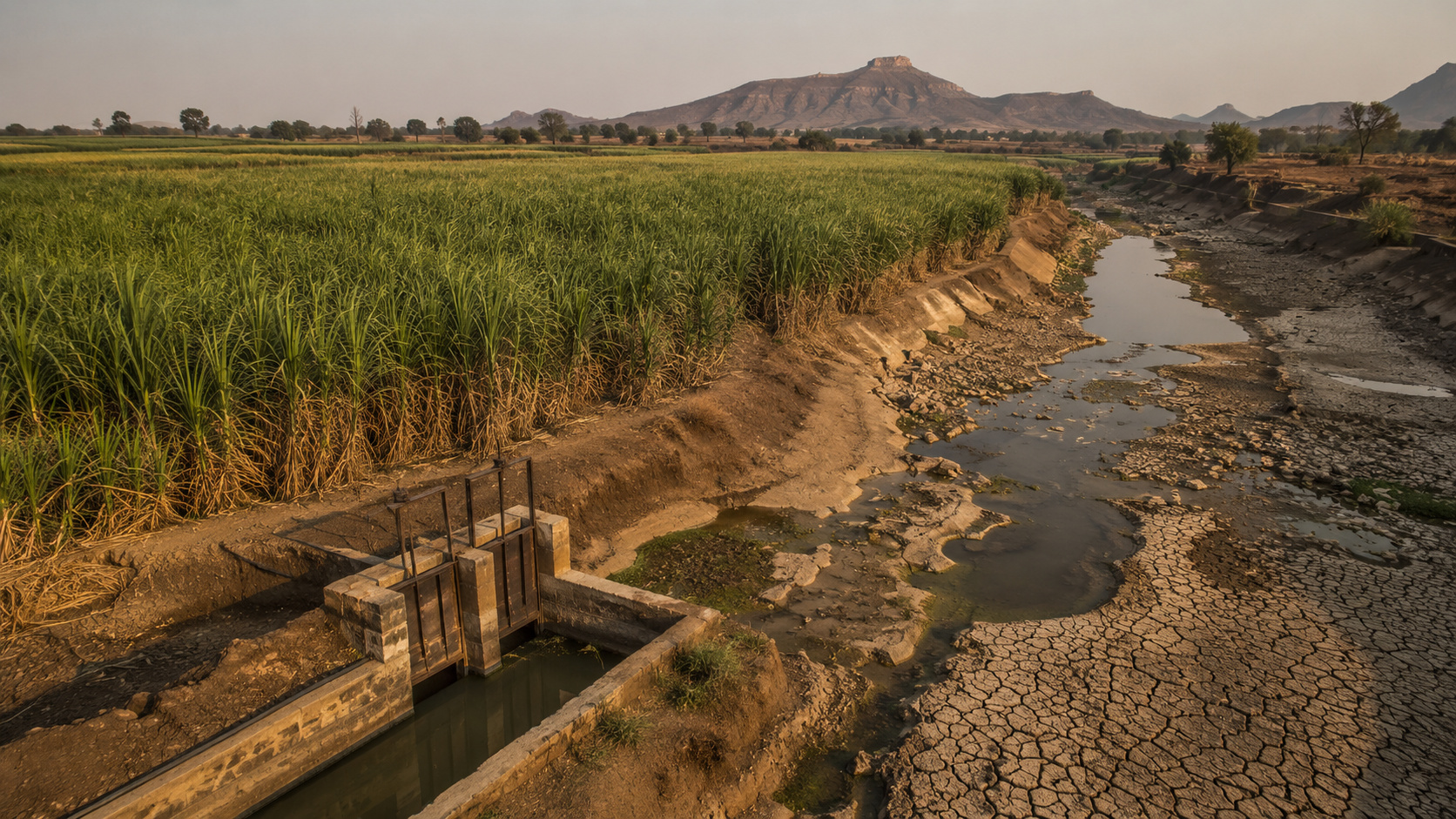
Sugarcane Cultivation in India: A Symbol of Water Stress and Environmental Strain Amidst Global Demand for Sugar and Green Fuel

The Turning Point In Confinement
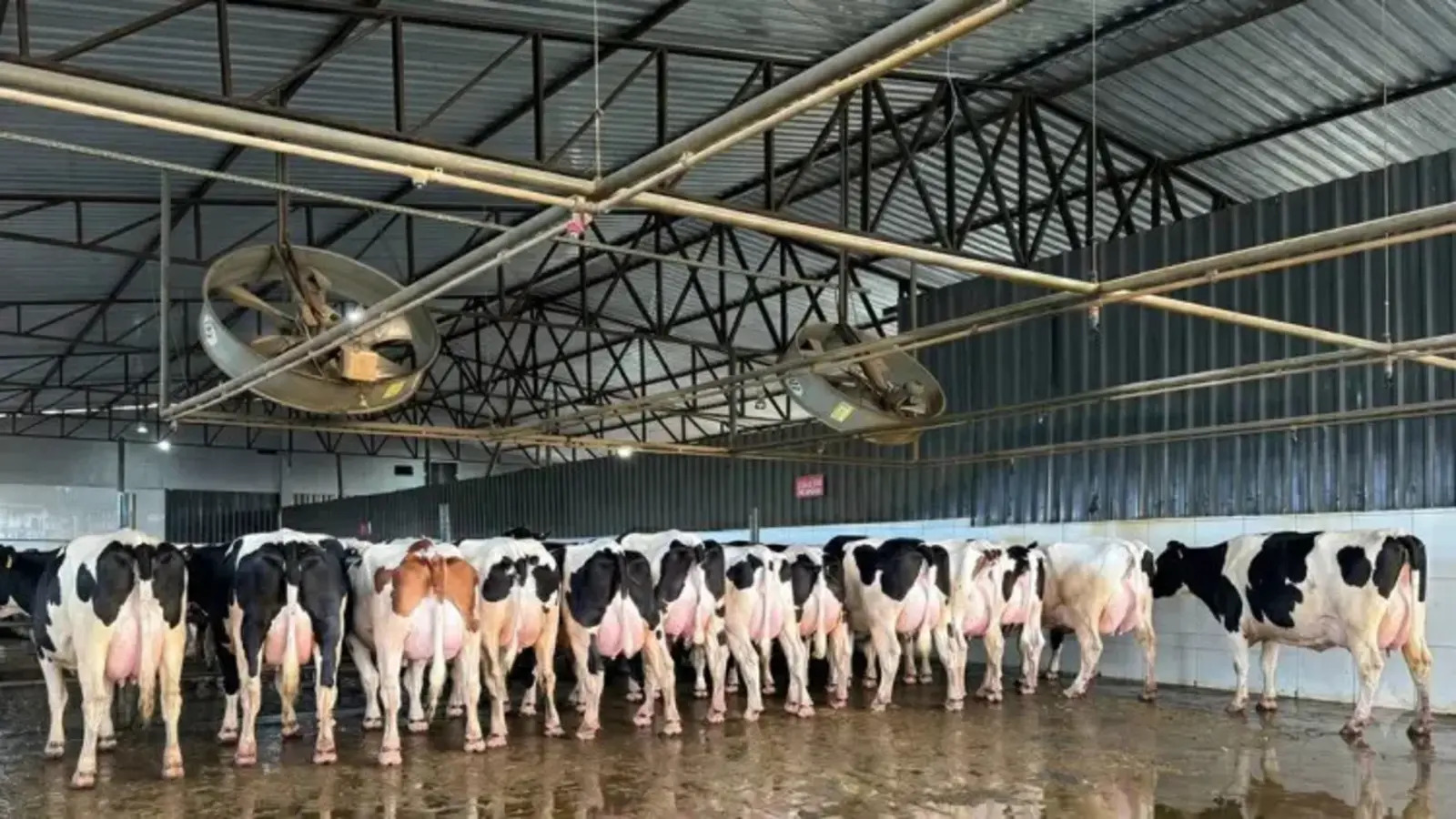
In the third month, Bruno opted to intensify the management. He placed the animals in confinement, starting to provide silage. According to him, this change was the “turning point” in the process, as it increased the average weight gain.
At the end of the cycle, each cow reached 15 arrobas, three more compared to the initial weight. This development was directly reflected in the selling price. Bruno closed the deal at R$ 300 per arroba, totaling R$ 4,500 per animal.
Costs And Profit Calculation
In addition to the purchase price, the producer detailed the variable costs of fattening. He invested approximately R$ 22,500 in feed, silage, and management. This amount represented a daily cost of R$ 250 throughout the period.
With the sale, total revenue reached R$ 90,000. By subtracting the total costs of the project — R$ 60,000 for acquisition plus R$ 22,500 for operational expenses — the net result was about R$ 7,500.
Reflection On Viability
Bruno highlighted that the calculations were made “on the tip of a pen” and showed transparency by sharing the numbers with his audience. He then raised the question that guides the entire sector: “Is it worth it?”.
The case exposed a fundamental point of beef cattle farming: the need for detailed planning to assess whether the weight gain justifies the costs of feeding and management.
The Impact Of The Report
Shared in a video, Bruno’s experience generated a significant response on Instagram by practically and simply exposing the reality of a producer who tested confinement on a small scale. The initiative sparked interest because it translated numbers into tangible results and brought to the debate the reflection on risk and return.
The clarity with which he presented values and results contributed to other producers comparing the viability of adopting similar strategies on their farms.