Portuguese
  Spanish


Instability in the Middle East threatens vital oil and gas routes, forcing nations to reassess their security strategies and reserves.
The International Energy Agency (IEA) issued a strong warning stating that the escalation of tensions and recent conflicts involving Iran have created the greatest threat to energy security ever recorded in modern history.
According to the agency’s report, instability in the region directly jeopardizes oil and gas supply routes, surpassing previous crises in terms of potential impact on the global market. The organization highlights that disruptions in strategic points could destabilize entire economies that depend on energy from the Middle East.
The current scenario demands unprecedented coordination among importing nations to mitigate the risks of shortages.
-
U.S. Women’s History Museum Stalled in Congress Amid Gender Identity and Diversity Debate

-
European Parliament Approves Digital Euro, Aiming to Challenge Visa and Mastercard’s Dominance and Transform Payments Across Europe by 2029
-
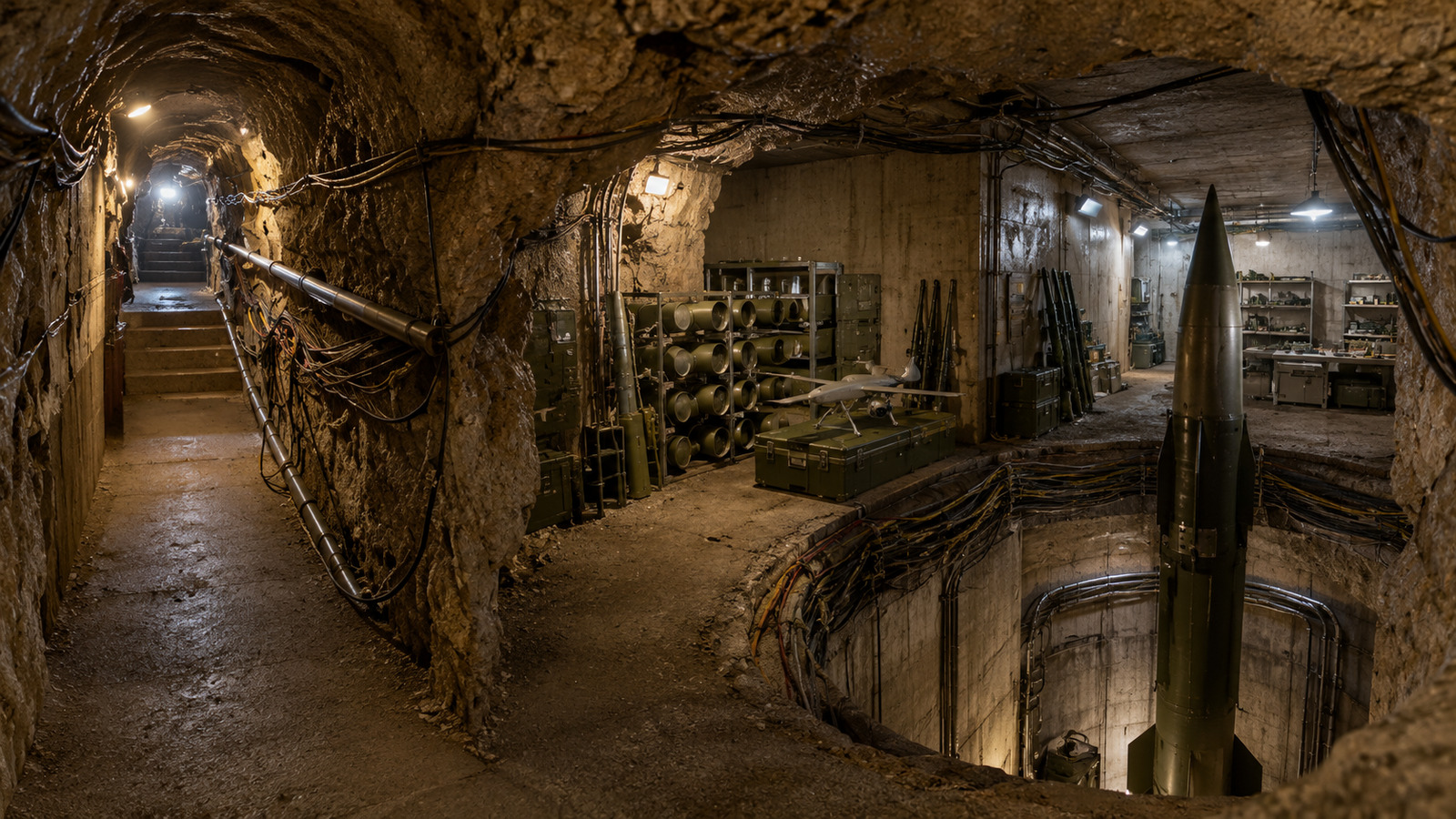
Israel finds Hezbollah militarized tunnel over 200 meters long under village, with 4 missile launch shafts, 12 chambers, anti-tank missiles, drones, and weapons depots at a depth of 25 meters.

-
Ukraine launches largest drone attack on Moscow since 2022, Russia claims to have intercepted nearly 200 aircraft near the capital, Kapotnya refinery targeted again, and offensive reignites alert about war reaching the Russian energy heart just a few kilometers from the Kremlin.



Vulnerability of supply routes and the Strait of Hormuz
The main focus of the IEA’s concern lies in the vulnerability of the Strait of Hormuz, through which a significant portion of the world’s oil transits daily.
Any obstruction in this route, resulting from the greatest threat to energy security, would cause an immediate shock to international prices and disrupt global supply chains. The agency notes that the technological sophistication of attacks on energy infrastructure in the region has increased considerably in recent months. This makes exploration and refining assets easy targets in a scenario of open warfare or coordinated sabotage.
The strategic reserves of various nations are being closely monitored as a temporary safety net.
The IEA emphasizes that the interconnected nature of the current market makes the world more susceptible to supply crises than in past decades. The greatest threat to energy security is not limited to oil, also affecting the liquefied natural gas (LNG) market, essential for electricity generation across various continents. The report details that political uncertainty in Iran generates volatility that affects long-term investments in new production capacities.
Without a diplomatic resolution, pressure on global stocks could reach critical levels before the end of the fiscal year. The industrial sector is identified as the most exposed to potential supply cuts.
Economic resilience and the transition to alternative energies
In light of the severity of the situation, the IEA suggests that governments accelerate the diversification of their energy matrices as a defense against the greatest threat to energy security.
Strengthening renewable sources and efficiency in consumption are now seen not only as environmental goals but as imperatives for national security. Dependence on politically unstable regions makes national economies hostage to geopolitical events beyond their direct control. The agency recommends that member countries review their emergency plans and increase technical cooperation for sharing energy surpluses.
The resilience of the system depends on the ability to respond quickly to sudden disruptions.
The analysis indicates that the cost of protecting critical infrastructures against the greatest threat to energy security is expected to rise drastically in the coming years. This includes investment in cybersecurity and physical defense of pipelines and strategic port terminals. The IEA warns that the risk premium embedded in energy prices already reflects fears of a large-scale military escalation.
Maintaining market stability requires a robust diplomatic effort to ensure that the energy sector remains insulated from direct geopolitical retaliations. The balance between global supply and demand is in a state of extreme fragility.
Outlook for the global market under pressure
Projections for the near future indicate that the greatest threat to energy security will continue to dictate the pace of the global economy if the conflict persists. The IEA plans to hold emergency ministerial meetings to coordinate the release of strategic stocks in the event of a physical supply disruption. Transparency in consumption and stock data will be vital to avoid panic in financial markets and ensure equitable distribution of resources.
The agency emphasizes that international cooperation is the only tool capable of preventing the energy crisis from turning into a deep global economic recession.
At the conclusion of its report, the agency underlines that the world has entered an era of permanent energy uncertainty due to the biggest threat to energy security. The lesson learned from the conflict with Iran is the urgent need for autonomy and connectivity between regional energy grids. Continuous monitoring of naval movements and political tensions in the Persian Gulf will be the top priority for market analysts in the coming weeks. The outcome of this crisis will define the defense and energy policies of the major global powers for the next decade.
With information from Oilprice