Portuguese
  Spanish


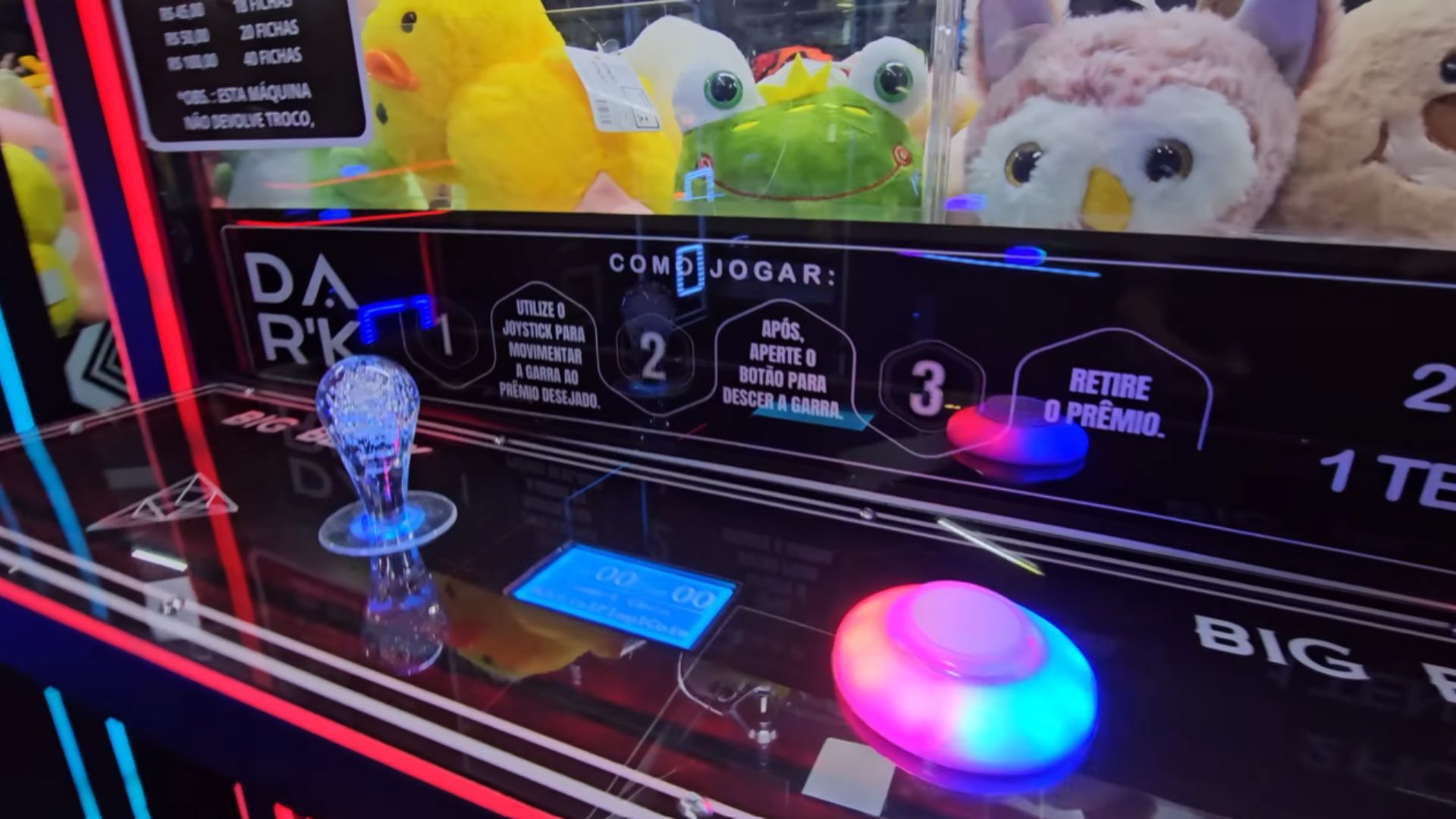

Gilson built his plush toy machine empire one store at a time. Today he operates a thousand units in 40 partner networks across the country. But the business has secrets, risks, and an unexpected enemy: the expert who empties the machine for R$ 30.
Most people walk past a plush toy machine in the mall without stopping to think about how much money that colorful equipment generates. The display window enchants children, the impulse draws in adults, the coin drops, and the cycle begins again. What few see is that behind the claw there is a structured business model, with clear accounts, real logistics, and partner management.
Gilson spent 13 years building this understanding in practice. He started from scratch, took a loan from his own father, sold his car, went through stages that he himself describes as madness. Today he lives exclusively from plush toy machines. There are a thousand units distributed in 40 partner stores spread across Brazil, with a profit of R$ 800,000 per month. When asked if he is rich, he responds cautiously: “I’m doing well, I’m doing well.”
The numbers that the plush toy machine produces
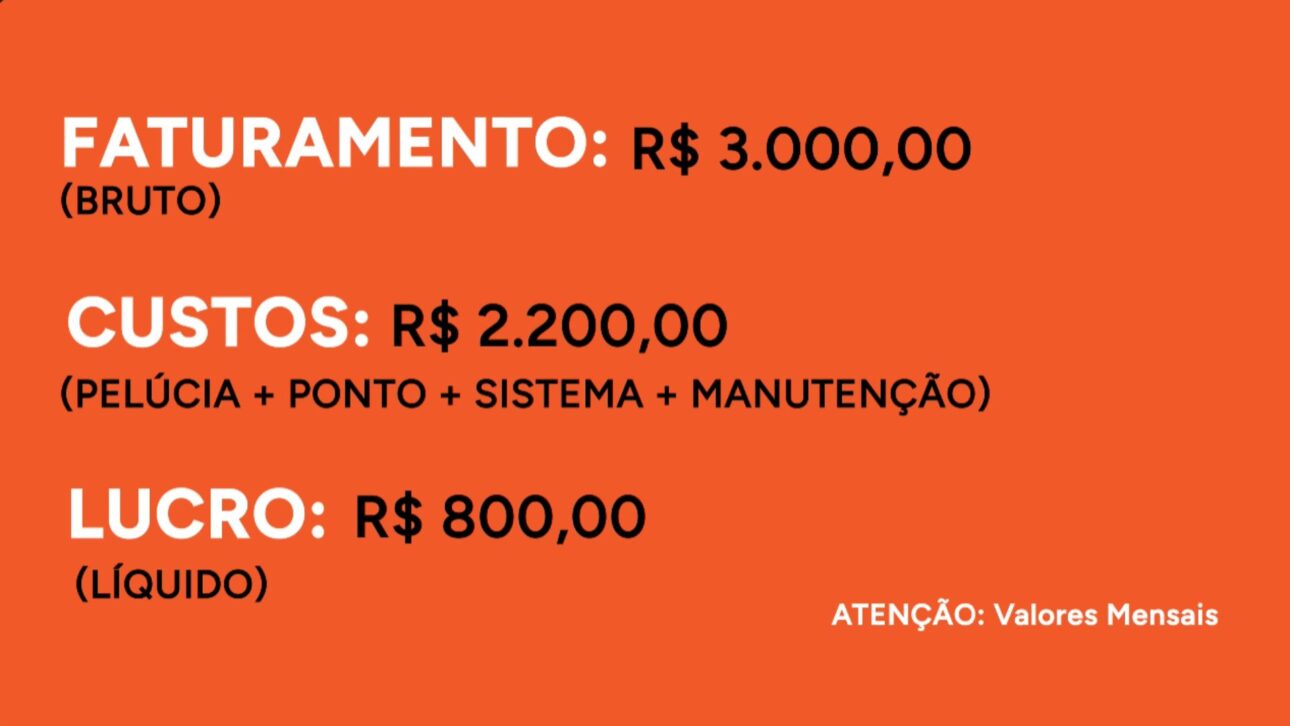
According to Gilson, the equipment earns R$ 1,000 per month and leaves a profit of R$ 800. The margin is high, but the model requires constant presence. It’s not enough to install the machine and sit back waiting for the money to roll in. The operation requires at least two visits per week to each location.
-
Brazil’s BNDES Funded Metro and Steel Plant Projects in Venezuela with Brazilian Support

-
Abandoned Building in Brazil to Become Biotechnology Unit with $10 Million Investment, Bridging Science, Industry, and Public Health
-
Company Offering “Stones to Diamonds” Scheme Sells Ruined Italian Homes to Brazilians for 1 Euro, Disappears with Promised Renovations, Leaving Buyers in Debt to Italian Tax Authorities Until 2028 Without Property

-
Plastic Packaging Drives Santa Catarina Industry to 230% Growth, Aiming for R$ 500 Million by 2030 Amid Sector Crisis, with New Gearless Line Expanding in Southern Brazil to Compete in South America




During these visits, the operator needs to perform general cleaning, fluff the plush toys, and reorganize the internal stock. The arrangement of the plush toys inside the display is not random: they cannot be piled up. They need to enchant. Those who don’t take care of the presentation lose sales. Besides fieldwork, it’s necessary to maintain an active customer service channel via WhatsApp to resolve issues for customers and partner locations at any time.
The claw, the whip, and the three points of failure
The plush machine is a relatively simple piece of equipment, but it has three components that account for most of the technical failures. The first is the claw. The second is the harness, which is the cable responsible for connecting the claw to the internal board. The third is the electronic board itself. Joystick and buttons can also cause problems, but they are easy and cheap components to replace.
The good news for those entering the business is that these machines last between 15 and 20 years. Technical problems will appear over time, but those who learn to solve them on their own reduce costs and gain operational independence. Gilson emphasizes this point with the operators he trains: learning basic maintenance is what separates those who rely on third parties for everything from those who build a sustainable path.
The location is the variable that makes or breaks the business
Of all the challenges of the model, the biggest is not technical. It’s commercial. Closing partnerships with business owners to install the plush machine in the best available spots is what determines whether the operator will earn well or poorly. The location is not a detail: it is the main factor.
The best locations, according to Gilson, are roadside stations, supermarkets, and shopping centers. On average, 20% of the gross revenue goes to the owner of the location. If the machine collected R$ 1,000 in the month, R$ 200 goes to the partner who provided the space. Securing excellent locations is what makes all the difference in earning well or not and, for that, there is no shortcut: it’s direct negotiation, having arguments ready, and being willing to hear many “no’s” before the “yes” that matters.
The expert who empties the claw and disappears with R$ 30


There is a problem that no plush machine operator likes to encounter. Gilson calls this character a beast, an expert. They are users who have mastered the operation technique of the claw to the point of being able to remove dozens of plush toys in a single session. The operator arrives at the location, opens the safe, and finds R$ 30. The machine is empty.
The solution Gilson found for this specific problem is creative: instead of treating the expert as an enemy, turn them into an ally. Pay a fixed amount per month for them to promote the business on social media. Those who know the plush machines inside and out and have an audience for it become a cheap and efficient marketing asset. The problem turns into a partnership.
Rigged machines: the risk that destroys reputation
There is a warning that Gilson insists on conveying to anyone thinking about entering the business: there are many plush toy machines in the market, and some of them are rigged equipment, with claws calibrated so weak that they can’t even hold the lightest plush toys. Those who install this type of equipment are putting their own reputation at risk.
A machine that never delivers the prize becomes a slot machine in the customer’s perception. This drives away the public, tarnishes the relationship with the partner point, and can make the business unfeasible before it finds its rhythm. Choosing the equipment is not just a cost decision. It’s a credibility decision.
Beyond plush toys: umbrella and vending machine in the same model
The business logic of machines expands to other formats. In the shared umbrella model, the operator invests R$ 15,000 in the franchise, with half as a deposit returned with interest at the end of the contract. In return, they receive R$ 550 fixed per machine per month. The replacement of umbrellas and any LED or display replacements are the only operational obligations.
Companies that want to associate their brand with the initiative sponsor this model, using umbrellas made from PET bottles and customized with corporate visual identity. As for the food and beverage vending machines, like those operated by Paulo in business environments, they cost an average of R$ 70,000 each, generate R$ 7,000 per month, and leave about R$ 2,000 in profit. Paulo reduced the model’s risk by paying only 5% of the gross revenue for the point. If nothing is sold, nothing is paid. Stock control is done remotely, via app, with real-time updates of what was sold and what needs to be restocked.
The report is from Marcelo Baccarini’s channel, a journalist with over 40 years of experience in business and decades on the program Small Companies and Big Business, on TV Globo.
Have you ever thought about investing in a plush toy machine or any other machine business? Do you know someone who operates this type of equipment? Share your experience or your question in the comments.