






 Portuguese
  Spanish





Discover Which Companies Stand the Test of Time and Their Fascinating Stories Over the Centuries!
Have you ever stopped to think about the longevity of companies? How many years can a company survive? One hundred years, five hundred years, or even more?
With these questions in mind, the British website Business Financing conducted a study on the oldest companies still in the market, revealing fascinating information about the history and resilience of these companies, according to the website infomoney.
Millennial Companies: The Case of Japan

The oldest company in operation is Kongo Gumi, a Japanese construction company founded in 578.
-
Imported Electric and Hybrid Cars in Brazil Face 35% Tax Increase, Raising Prices Starting July 1st

-
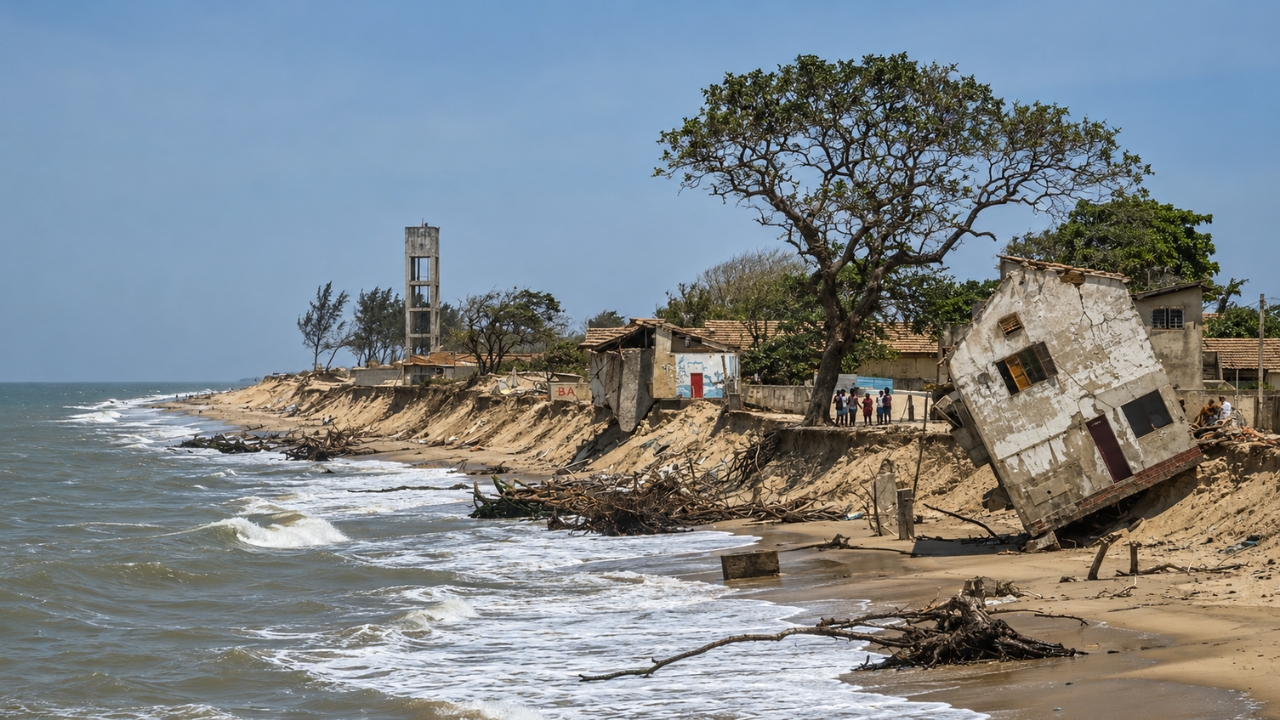
Coastal City in Rio de Janeiro Faces Slow Destruction as Sea Claims 500 Homes and Businesses

-
48-Year-Old Woman Wins Million-Dollar Prize, Gifts Neighbor First International Trip as Thanks for Years of Support
-
Women Once Mocked for Collecting Trash Form Group to Turn Organic Waste into Compost, Generate Daily Income, and Improve Market Cleanliness in One of the World’s Lowest GDP per Capita Countries



Specialized in building temples, Kongo Gumi has maintained its essence for 14 centuries.
Even after being acquired by a construction conglomerate, the company continues to operate independently, with 80% of its business focused on temple construction.
Longevity in Brazil: The Mint
In Brazil, the Mint is the oldest company still in operation, created in 1694 by King D. Pedro II of Portugal.
Initially located in Salvador and Recife, the Mint established itself permanently in Rio de Janeiro in 1702 and continues to print currency to this day, although it faces uncertainties regarding its potential privatization.
Old Companies in Latin America

In Latin America, the National Mint of Peru, founded in 1565, is the oldest company still in operation. Four of the nine analyzed countries have their oldest companies as currency manufacturers, including Brazil, Peru, Colombia, and Argentina.
These data reflect a historical pattern, where many of the oldest companies were established during the colonial period.
The History of Companies in North and Central America

In North America, the Mexican Mint, established in 1534, also dates back to the colonial period.
In the United States, Shirley Plantation, founded in 1613, is the oldest, recalling the legacy of slavery, as it cultivated tobacco with slave labor.
On the other hand, Mount Gay Rum, established in Barbados, is the oldest rum distillery in the world.
Longevity in Africa and Europe

In Africa, the Postal Service of Mauritius, established in 1772, is the oldest company, reflecting the continent’s late colonial history.
In contrast, in Europe, many of the oldest companies are linked to cultural products, such as St. Peter Stifts Kulinarium, a restaurant in Salzburg, founded in 803, and the Monnaie de Paris, the mint of France, which dates back to 864.
Historical Companies in Asia and Oceania

In Asia, Kongo Gumi is an example of how companies can adapt over the centuries.
In Oceania, Australia Post, founded in 1809 by Isaac Nichols, and Bank of New Zealand, which started its activities in 1861, are also examples of companies that withstand the test of time.
Reflections on the Longevity of Companies
<pStudying the oldest companies in operation not only reveals the resilience of the market but also provokes reflections on historical impacts, such as colonialism and slavery, that shaped the global economy.
These companies are living witnesses to the evolution of societies and markets over the centuries.
When considering the longevity of a company, it is possible to perceive not only business success but also the complex web of history and culture surrounding it.






Interessante o assunto abordado.No entanto quase não cita às empresas privadas que existem e sobreviveram estes seculos